 how-to
How to Estimate Portable Toilets for Events
Table of Contents
- Start With the Baseline: How Many Portable Toilets Per Person
- Use a Portable Toilet Rental Calculator to Refine Your Estimate
- Factors That Change Your Portable Restroom Requirements
- ADA Compliant Portable Toilet Requirements for Accessibility
- Plan Portable Restroom Service Frequency and Maintenance
- Site Logistics: Placement, Hand Wash Stations, and Waste Management
- Budget and Cost Estimation for Your Event
- Common Mistakes to Avoid When Estimating Portable Toilets
Last Updated: August 21, 2026
Start With the Baseline: How Many Portable Toilets Per Person
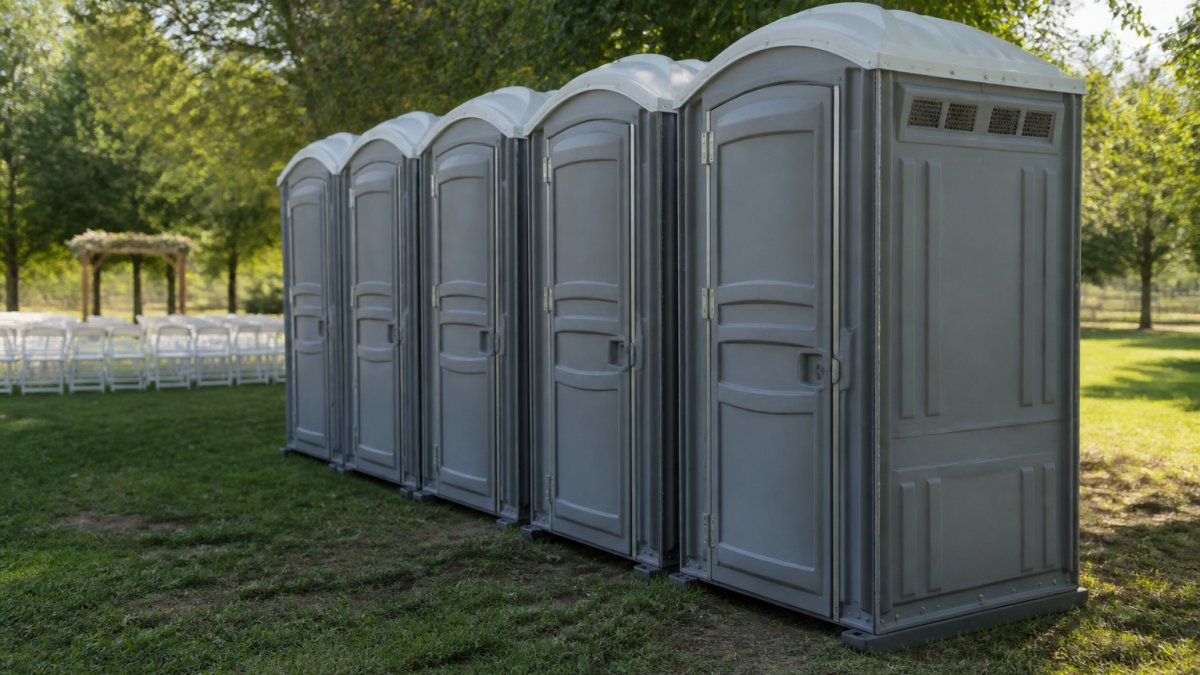
Most event planners use a baseline ratio of one portable restroom per 75 to 100 attendees for standard events (aapor.org). This ratio assumes moderate usage over a typical event duration with standard sanitation conditions and no special circumstances.
For 300 people, three to four portable toilets will handle normal traffic. For 500 people, you're looking at five to seven units. However, this baseline is your starting point, not your final answer. A quiet corporate picnic with 200 people might need only two units, while a music festival with 200 people might need four or five.
Teams often start with this baseline and adjust downward to save money, that's where problems emerge. The safer approach is to start here, then adjust upward based on your specific event conditions. A portable restroom shortage mid-event creates frustrated guests, bottlenecks, sanitation issues, and reputational damage.
Use a Portable Toilet Rental Calculator to Refine Your Estimate
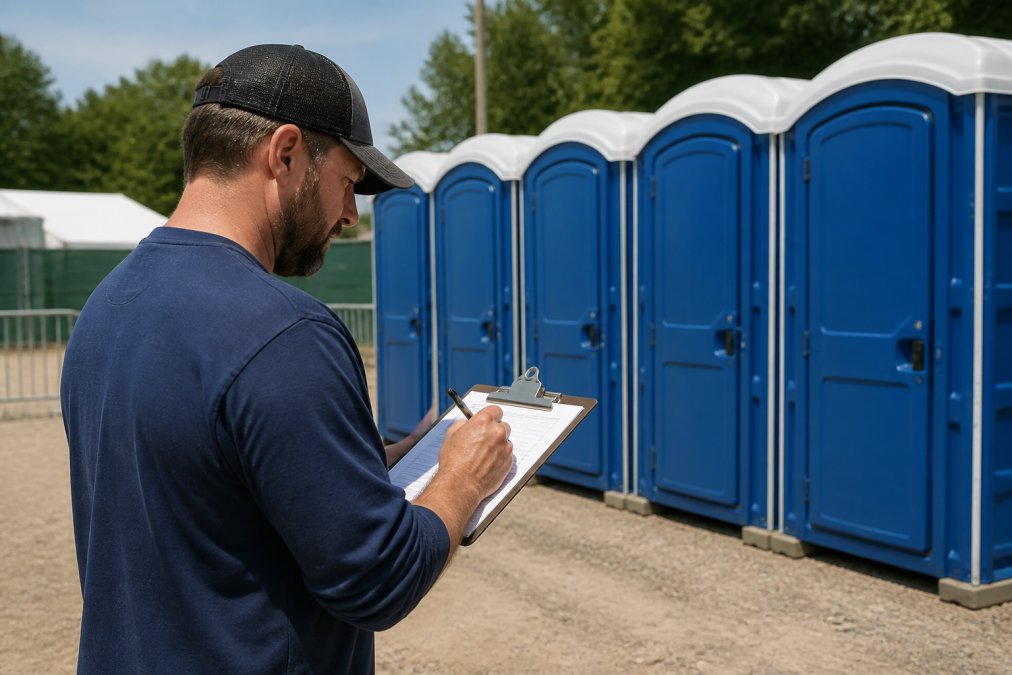
A portable toilet rental calculator takes your baseline estimate and adjusts it based on specific variables: event type, duration, expected attendance, and special conditions. The best calculators force you to think through each factor systematically rather than relying on mental math.
You input your event details, and the tool multiplies your baseline by adjustment factors. If your event includes alcohol, the calculator might suggest adding 20-30% more units (peer-reviewed research). If it's a hot-weather outdoor event, another adjustment. By the end, you have a refined number based on your actual situation.
Many rental companies provide calculators on their websites. Some are simple, asking only attendee count and duration. Others are more sophisticated, asking about alcohol service, weather expectations, venue type, and accessibility requirements. The more detailed the calculator, the more accurate your estimate becomes.
The limitation of any calculator is that it's only as good as the data you feed into it. If you underestimate your crowd size or don't account for peak usage times, the output will be off. Treat it as a tool that helps you think through the problem, not as an absolute answer.
Factors That Change Your Portable Restroom Requirements
The baseline ratio works for a specific scenario: daytime event, moderate temperatures, no alcohol, standard crowd composition, and typical facility usage patterns. The moment your event deviates from that scenario, your needs change.
Event Duration and Peak Usage Times
Event duration directly impacts how many portable toilets you need. A two-hour afternoon gathering requires fewer units than an eight-hour festival, even with the same number of attendees.
What matters most is whether your event spans meal times, when usage spikes significantly. A lunch-hour corporate event with 200 people might need two units. That same 200 people at a dinner event spanning 6 p.m. to 11 p.m. will likely need three or four units, because dinner service creates a predictable surge in restroom usage.
Peak usage times are predictable if you know your event schedule. Immediately after food service begins, usage jumps. Right after the main presentation or entertainment concludes, another surge occurs. For events longer than six hours, consider whether you'll need mid-event service to empty holding tanks and maintain capacity.
Alcohol Consumption and Its Impact
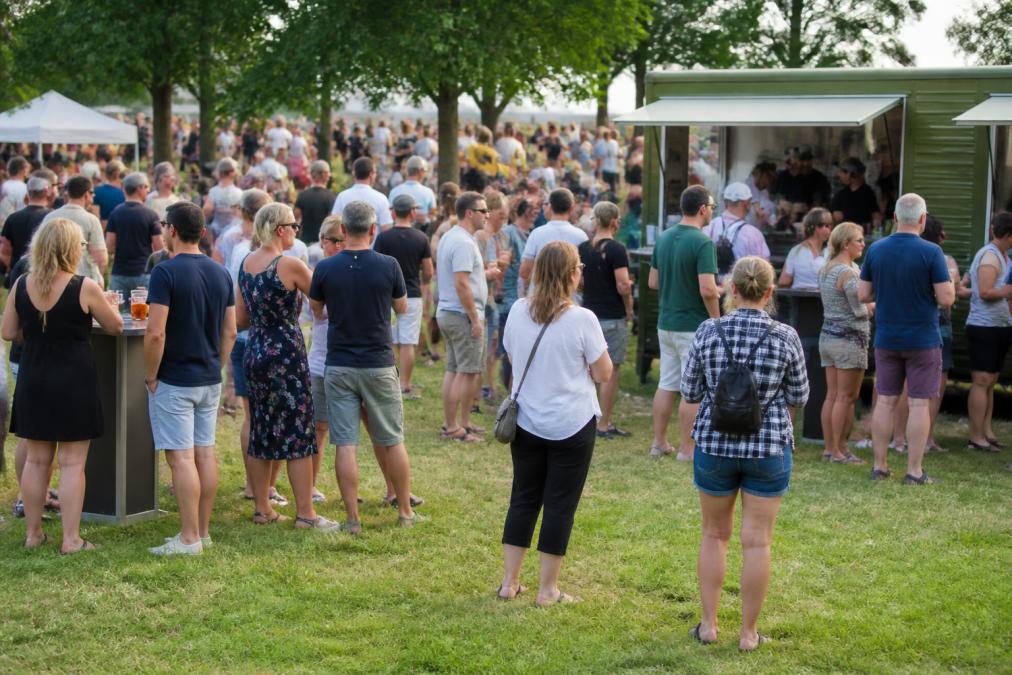
Alcohol consumption increases restroom usage significantly. When alcohol is served, attendees use portable restrooms more frequently and less predictably than at dry events.
A wine-tasting event with moderate consumption might add 15-20% to your baseline estimate. A beer garden or open bar where heavy consumption is expected might require 30-50% additional capacity. Alcohol increases urination frequency and reduces inhibitions around timing, making peak-time management harder.
Communicate alcohol service clearly to your rental company when estimating portable toilets. Additionally, alcohol-focused events often run longer than dry events, compounding the usage effect.
Weather and Climate Conditions
Weather affects portable restroom demand in two ways: comfort and duration. In hot weather, attendees drink more fluids to stay hydrated, which increases restroom usage. A summer outdoor festival in 85-degree heat will see higher usage than the same event in 65-degree weather.
Heavy rain or poor weather conditions also affect how long people stay at an outdoor event and can compress usage into shorter windows, creating intense peak-time demand. Mud and wet ground impact site logistics, portable restrooms need stable, level placement, and muddy ground makes delivery and sanitation more challenging.
ADA Compliant Portable Toilet Requirements for Accessibility
ADA compliance for portable restrooms is a legal requirement, not optional. If your event is open to the public or includes attendees with mobility challenges, you must provide accessible portable restrooms.
An ADA compliant portable toilet must meet specific standards: wheelchair accessibility, grab bars, adequate interior space for maneuvering, and proper door operation (ada.gov). A standard portable toilet does not meet these requirements.
The rule of thumb is straightforward: for every 500 attendees, provide at least one ADA compliant portable restroom. For smaller events, one ADA unit is typically sufficient. The ADA unit must be placed on level ground with an accessible route and clear maneuvering space in front.
Always include at least one dedicated ADA unit in your count, then add additional units based on your total attendance and event type.
Plan Portable Restroom Service Frequency and Maintenance
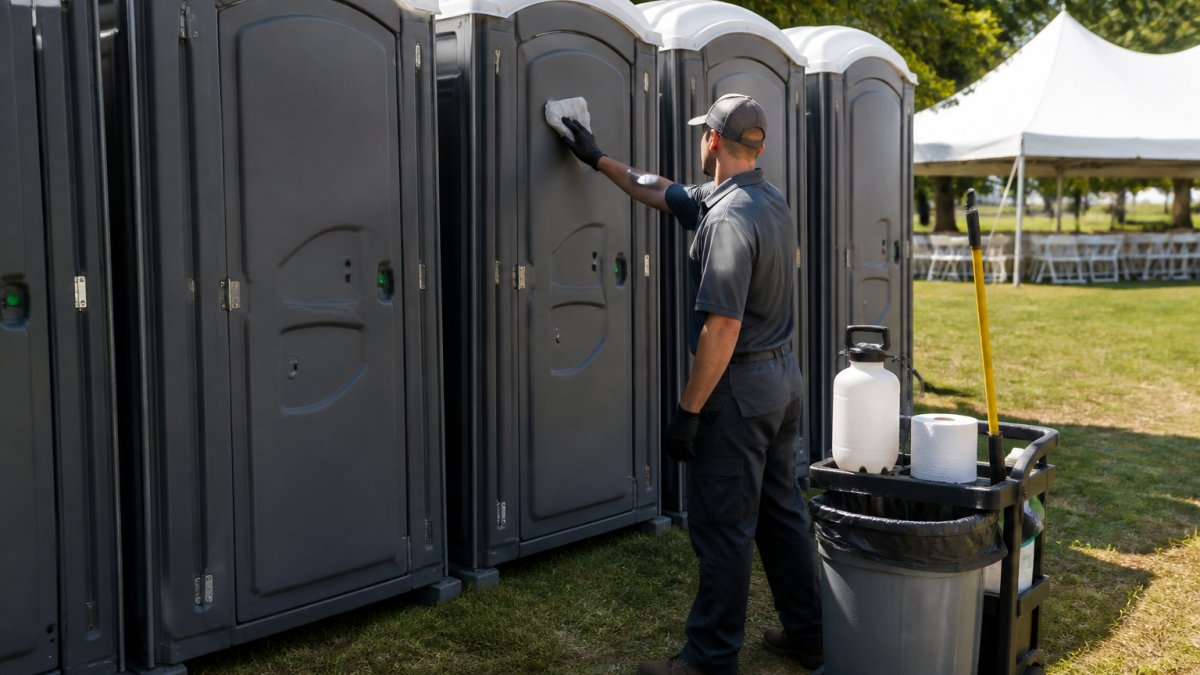
A portable restroom is only useful if it's clean and functional. This means planning for service frequency, how often your rental company will visit to empty tanks, restock supplies, and address maintenance.
For events lasting a single day, one initial delivery and one final pickup might be sufficient for small events. For larger events or longer durations, mid-event service is essential. A full-day festival with 500 attendees and 6-7 portable toilets will likely need at least one pump-out service during the event to maintain tank capacity.
Service frequency depends on usage intensity. When discussing portable toilet rental with your provider, ask about their service response time. If a unit malfunctions or a tank fills unexpectedly, how quickly can they respond? For multi-day events, this matters significantly.
Hand wash stations also require service. Soap, paper towels, and water supplies need replenishing. Coordinate their service schedule with your portable restroom service schedule, ideally the same technician handles both during each visit.
Site Logistics: Placement, Hand Wash Stations, and Waste Management
Where you place portable restrooms matters as much as how many you have. Poor placement creates bottlenecks, reduces accessibility, and complicates service logistics.
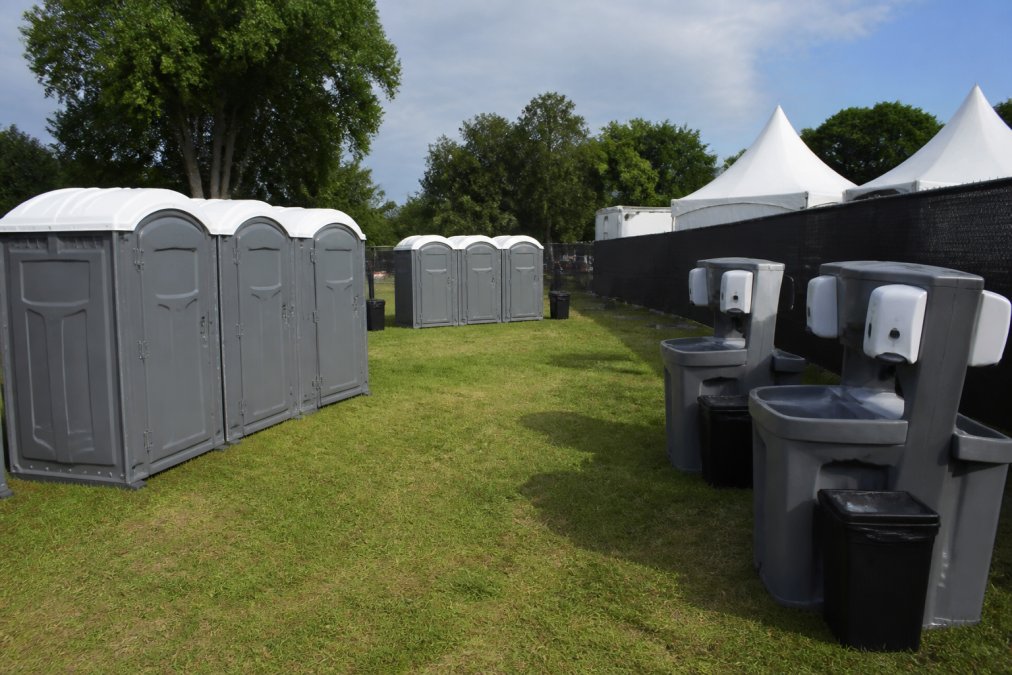
Distribute units across the event site rather than clustering them in one location. If your event spans a large area, attendees shouldn't have to walk 200 yards to find a restroom. Units need to be positioned on level, stable ground. Soft ground, mud, or uneven terrain creates problems: delivery vehicles get stuck, units tip or shift, and the area becomes muddy and unsanitary.
Service access is critical. Position units so service vehicles can reach them without crossing the event area or navigating narrow paths. Hand wash stations should be positioned near portable restrooms, close enough to be convenient but not so close that the area becomes congested. A typical ratio is one hand wash station per 150-200 attendees.
Clear, visible signage directing attendees to restroom facilities reduces congestion and prevents people from wandering. At larger events, consider directional signage from multiple areas of the venue.
Budget and Cost Estimation for Your Event
Budgeting for portable restrooms requires understanding the variables that affect pricing. The number of units is obvious, but rental duration, delivery distance, service frequency, and special requirements all impact total cost.
Start by calculating your unit count based on the factors above, then multiply by the rental rate for your rental period. Delivery and pickup are separate line items. Distance from the rental company's location affects delivery cost. Service visits during the event are additional. ADA compliant units typically cost more than standard units.
Request a detailed quote from your rental company that breaks down unit rental, delivery, service visits, and any special requirements. This prevents surprise charges and gives you a clear picture of total cost.
Patriot Solutions provides transparent pricing and detailed quotes for events of all sizes. From small backyard gatherings to large festivals, we work with you to estimate your actual needs and deliver a cost estimate that matches your requirements.
Common Mistakes to Avoid When Estimating Portable Toilets
The most common mistake is underestimating crowd size. If you're uncertain about your actual crowd, estimate high rather than low. The second mistake is ignoring peak usage times. A calculator might suggest three units for your 250-person event, but if all 250 people eat lunch at the same time, three units won't handle the surge.
Underestimating event duration is another common error. An event scheduled to end at 5 p.m. often runs until 6 or 7 p.m. Add a buffer to your duration estimate. Not communicating special conditions to your rental company is costly. If your event includes alcohol, tell them. If you expect heavy usage, tell them. The more information they have, the better they can help you estimate accurately.
Assuming one ADA unit is enough for any event size is another error. While one unit is a good baseline, larger events need additional ADA capacity. Finally, waiting until the last minute to arrange portable restrooms limits your options. During peak season, availability becomes tight. Booking early ensures you get the units you need with the service schedule that works for your event.
Estimating portable toilets for events requires thinking through multiple variables: baseline ratios, event-specific factors, accessibility requirements, and service logistics. Get this estimate right, and your event runs smoothly. When you're ready to move from estimate to rental, Patriot Solutions can help you refine your needs and deliver clean, well-maintained equipment with dependable local service. Contact us for a detailed quote based on your specific event requirements, and let our team help you plan the sanitation logistics that keep your event running without interruption.
Frequently Asked Questions
How many portable toilets do I need for 100 guests?
Start with the baseline ratio of 1 portable toilet per 75-100 guests, which means 1-2 units for 100 people. If your event lasts more than 4 hours, includes alcohol, or has peak usage times, add 1-2 more units. For a 6-hour event with moderate alcohol service, plan for 2-3 portable toilets. Use a portable toilet rental calculator to account for your specific event duration and attendee behavior to refine this estimate.
Does alcohol consumption increase the number of portable toilets needed?
Yes, significantly. Events with alcohol service typically require 25-30% more portable restrooms than dry events. Alcohol increases restroom usage frequency and duration, particularly during peak hours. If your baseline estimate is 2 units, add 1 more for an alcohol-serving event. This is especially critical for weddings and festivals where alcohol consumption is expected throughout the event.
What are ADA compliant portable toilet requirements?
ADA compliant portable toilet requirements include wheelchair-accessible units with grab bars, level ground placement, and adequate maneuvering space (typically a 60-inch turning radius). For events with 100+ guests, you must provide at least one ADA compliant portable restroom. Hand wash stations must also be accessible. Confirm your event's ADA obligations based on expected attendance and venue type, then include compliant units in your total portable restroom count.
How often should portable restrooms be serviced during an event?
Portable restroom service frequency depends on event duration and attendance. For events under 4 hours with moderate usage, daily service before and after is sufficient. For multi-day events or high-traffic situations (500+ guests), service every 12-24 hours maintains sanitation standards and prevents overflow. Peak usage times may require mid-event servicing. Discuss your event timeline with your rental provider to establish a service schedule that keeps facilities clean and functional throughout.
This article was written using GrandRanker