 ultimate-guide
Waste Disposal Services: A Complete Guide
Table of Contents
- What Waste Disposal Services Include
- Residential Trash Pickup and Curbside Collection
- Roll-Off Dumpster Rental for Construction and Renovation
- Portable Restroom Sanitation Services for Job Sites and Events
- Building a Construction Site Waste Management Plan
- Hazardous Waste and Special Item Disposal
- How to Choose the Right Waste Disposal Service
- Conclusion
Last Updated: August 17, 2026
What Waste Disposal Services Include
Waste disposal services encompass comprehensive solutions for managing refuse, debris, and unwanted materials from residential, commercial, and industrial properties. These services include specialized handling of construction debris, hazardous materials, bulk items, and sanitation equipment tailored to specific project needs.
The core services involve systematic removal and processing of solid waste through multiple collection methods: curbside collection for residential customers, commercial waste management for higher-volume business needs, roll-off dumpster rental for temporary projects, and portable restroom sanitation for job sites and events. Understanding what's included helps you choose the right solution for your situation.
At Patriot Solutions, we recognize that waste disposal needs vary dramatically depending on your project type, timeline, and location. Our approach focuses on matching the right service to your specific requirements rather than forcing a one-size-fits-all solution.
Residential Trash Pickup and Curbside Collection
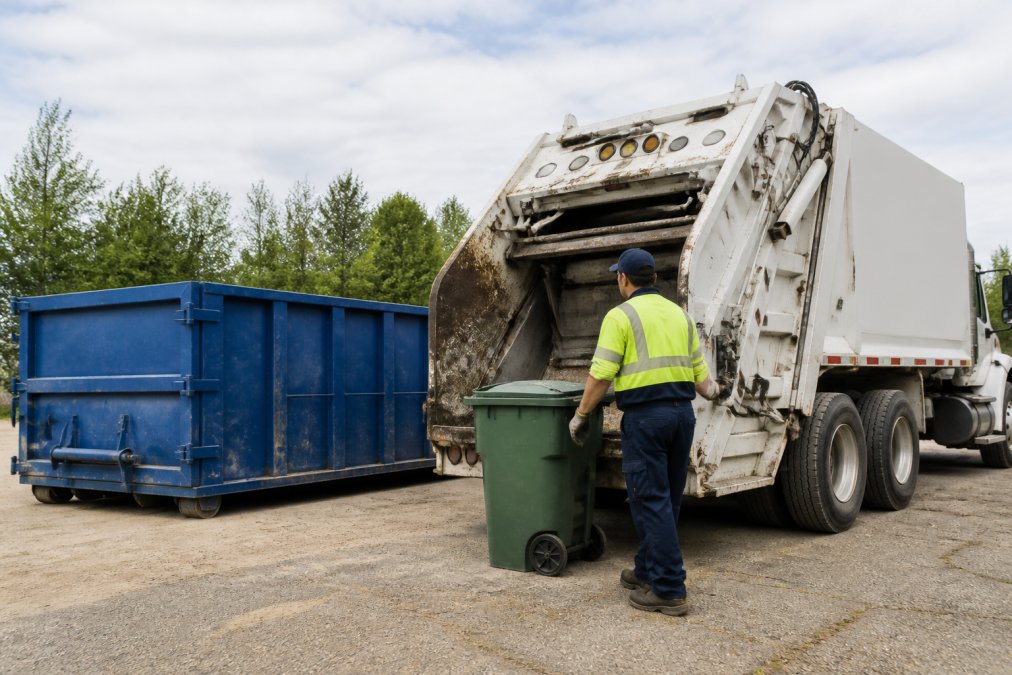
Residential trash pickup involves regular scheduled pickups of household garbage placed in designated containers at the curb. Most programs operate on weekly or bi-weekly schedules, with collection frequency depending on your service agreement and local regulations.
Collection involves significant logistics: optimized routes, equipment maintenance, and sorting waste into appropriate streams, landfill disposal for general refuse, recycling for recoverable materials, and special handling for items that don't fit standard categories. Most residential services include standard household garbage, yard waste, and recyclables. Items like electronics, batteries, paint, and chemicals typically require separate hazardous waste disposal arrangements.
Reliability in pickup scheduling directly impacts your ability to manage your property effectively. Missing a pickup can quickly create storage problems, particularly during renovation projects or seasonal cleanups.
Roll-Off Dumpster Rental for Construction and Renovation
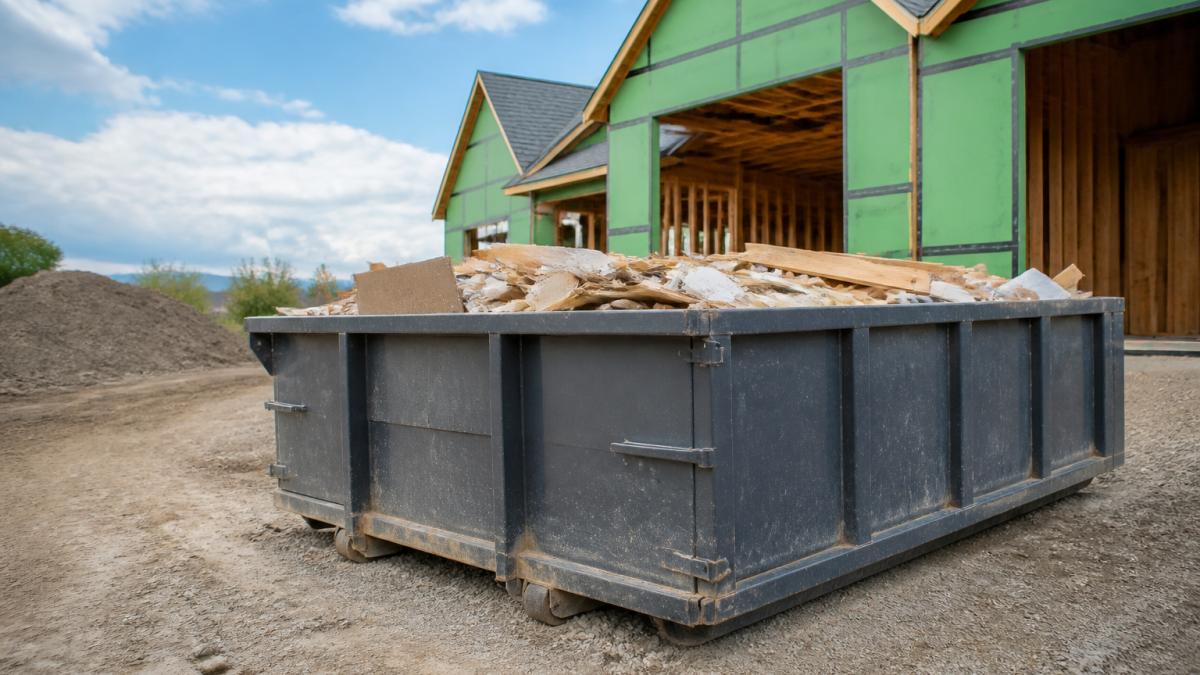
Roll-off dumpster rental services provide temporary waste containers specifically designed for construction projects, major renovations, and large-scale cleanups. These dumpsters arrive on a flatbed truck, are positioned on your property, and remain in place for the duration of your project.
Roll-off dumpsters accommodate large volumes of construction debris, including wood, drywall, concrete, and roofing materials. A typical roll-off dumpster holds 10 to 40 cubic yards of material, depending on the size you select. Pricing depends on dumpster size, rental duration, material type and weight, and your service area. Rental periods typically range from a few days to several weeks.
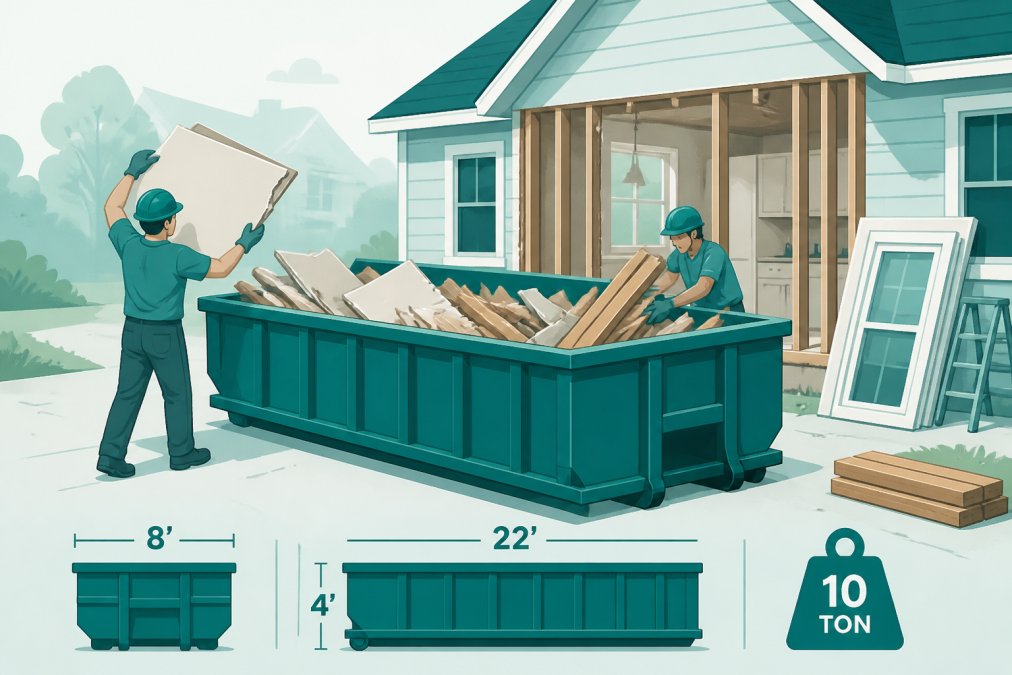
Most providers accept construction debris, demolition materials, and general household waste, but hazardous materials, electronics, and certain metals require separate disposal. Many providers now offer waste audits to help identify which materials could be diverted to recycling rather than sent directly to landfill.
A common mistake is underestimating the dumpster size you'll need. Projects consistently generate more waste than anticipated. Patriot Solutions helps you right-size your dumpster based on your specific project scope, preventing both waste and unnecessary expense.
Portable Restroom Sanitation Services for Job Sites and Events
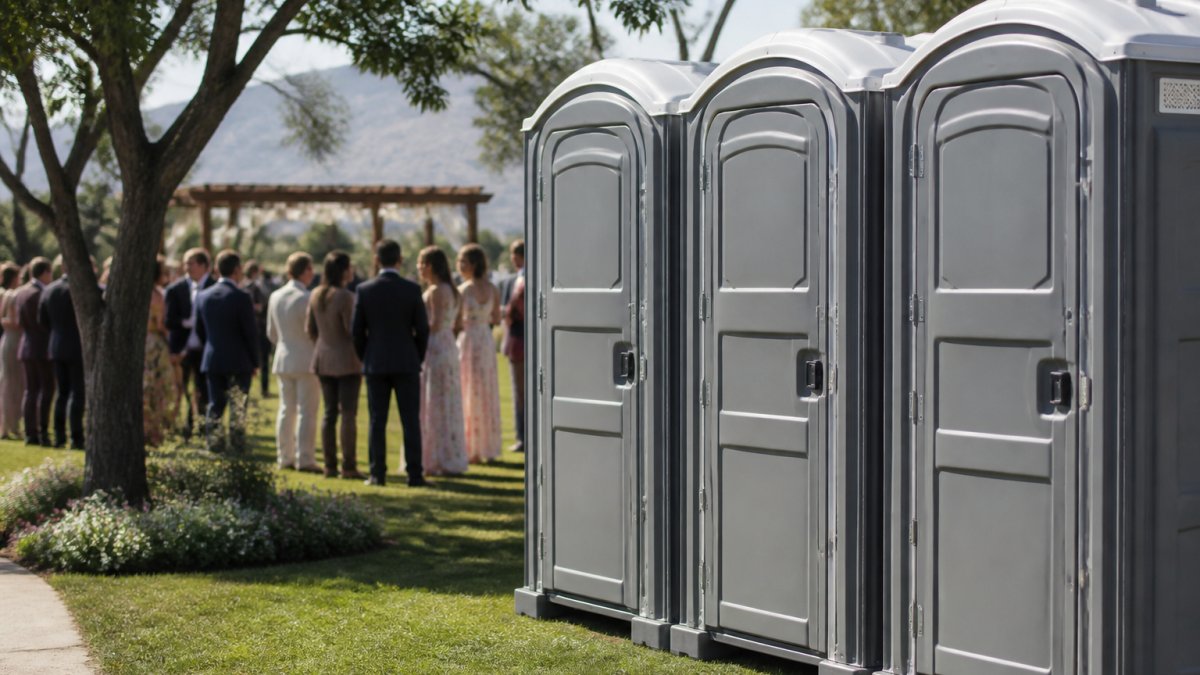
Portable restroom sanitation services provide essential facilities for construction sites, outdoor events, and temporary work locations where permanent restroom infrastructure doesn't exist. Services include regular cleaning, restocking supplies, and waste removal to maintain sanitary conditions.
Equipment ranges from basic single-unit facilities to luxury restroom trailers with multiple stalls, running water, and climate control. Service level depends on your event type, expected usage volume, and duration. A small construction crew needs different facilities than a wedding with 150 guests.
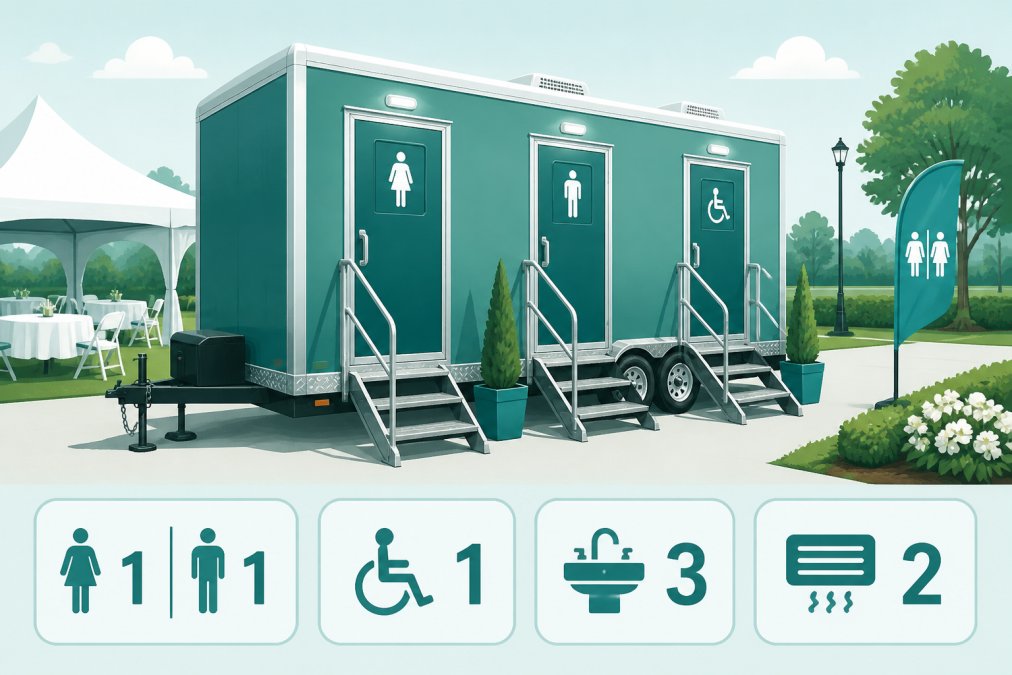
Sanitation services involve regular visits to empty waste tanks, restock supplies, and clean surfaces. Service frequency depends on usage volume, a busy construction site might require daily service, while a small residential project might need service twice weekly. Modern units use eco-friendly chemicals for waste treatment, and many providers offer waste diversion programs where waste is processed rather than simply dumped.
Equipment quality directly affects user experience and site morale. Clean, well-maintained facilities create a professional impression and improve worker or guest satisfaction.
Building a Construction Site Waste Management Plan
A construction site waste management plan represents a strategic approach to handling the waste stream generated by your project. Planning ahead ensures compliance with environmental regulations, minimizes disposal costs, and maximizes waste diversion from landfill disposal.
Your plan should identify the types of waste your project will generate, estimate volumes, and establish collection and disposal methods for each waste stream. Common construction waste streams include wood and lumber, concrete and masonry, drywall, metals, roofing materials, and packaging.
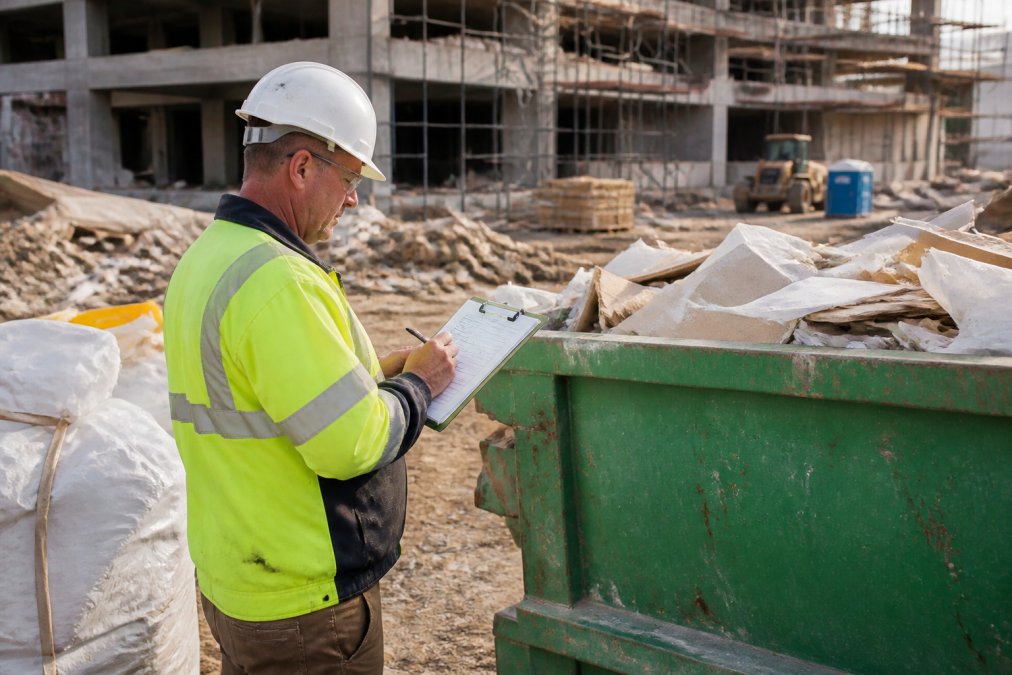
The planning process begins with a waste audit, an assessment of your project's anticipated waste composition. This audit helps you determine which materials can be diverted to recycling or reuse programs. Many materials commonly sent to landfills, wood, metals, cardboard, concrete, have established recycling streams that reduce disposal costs while supporting environmental compliance.
Establishing clear protocols for waste handling on-site prevents contamination of recycling streams and ensures worker safety. Designate specific collection areas for different waste types, provide clear signage, and train crew members on proper waste segregation.
Regulatory compliance forms a critical component of any construction site waste management plan. Federal and state environmental regulations govern how certain materials must be handled, and local ordinances may impose additional requirements.
A practical framework involves three steps: conduct a waste audit to identify your project's waste composition, research disposal and recycling options for each waste stream in your service area, and establish collection protocols with assigned responsibility for waste management oversight.
Hazardous Waste and Special Item Disposal
Hazardous waste disposal represents a specialized segment requiring strict regulatory compliance and professional handling. Hazardous materials include substances that pose risks to human health or the environment due to their chemical properties, toxicity, or reactivity.
Common hazardous waste items in construction and renovation projects include paint and paint thinner, solvents and degreasers, batteries and electronics, fluorescent bulbs and ballasts, asbestos-containing materials, and fuel or lubricants. Improper disposal violates environmental regulations and creates liability.
Federal regulations established under the Resource Conservation and Recovery Act establish baseline requirements, while state and local regulations often impose additional restrictions. Professional hazardous waste disposal services handle collection, transportation, and processing according to regulatory requirements. Certified waste handlers transport hazardous materials in compliant containers, maintain detailed documentation, and ensure materials reach appropriate treatment facilities.
Special items requiring separate disposal include large appliances, electronics, and items containing refrigerants or controlled substances. Bulk items that don't fit in standard waste containers may require special collection services.
The cost of hazardous waste disposal typically exceeds standard waste disposal because of regulatory compliance and specialized handling. However, attempting to avoid these costs by mixing hazardous materials with general waste creates far greater expenses through regulatory fines and remediation.
How to Choose the Right Waste Disposal Service
Selecting the right waste disposal service requires matching your project's specific needs with appropriate service options. Start by clearly defining what you're disposing of and in what quantities. A residential renovation generates different waste than a commercial demolition.
Next, evaluate available service providers in your area. Service area coverage matters significantly, a provider serving only urban centers may not service rural locations. Patriot Solutions specializes in serving the Delta, Utah area with reliable local service. Ask potential providers about service reliability, response time for issues, and experience with projects similar to yours.
Understanding pricing structure prevents surprises and allows accurate budget planning. Some services charge flat rates for specific container sizes and rental periods, while others charge based on weight or volume. Clarify what's included in quoted prices: delivery, pickup, disposal fees, and any potential overage charges.
Regulatory compliance capability represents another critical evaluation factor. Does the provider understand local environmental regulations and waste diversion requirements? Can they handle hazardous materials if your project requires it?
Communication and reliability deserve significant weight in your decision. A provider who responds quickly to problems, explains options clearly, and delivers on commitments creates confidence in your project management.
Choosing waste disposal services involves more than finding the cheapest option, it requires matching your project's specific needs with a provider you can trust. Poor service choices result in project delays, budget overruns, and regulatory compliance issues that far exceed any savings from selecting an inadequate provider. Patriot Solutions delivers reliable sanitation solutions with clean equipment and fast, dependable local service designed specifically for construction sites, events, and properties in the Delta, Utah area. When you need waste disposal services you can count on, contact Patriot Solutions to discuss your project requirements and receive a service quote tailored to your specific needs.
Frequently Asked Questions
What is the difference between roll-off dumpsters and standard trash pickup?
Standard trash pickup handles regular household waste on a scheduled collection frequency, typically weekly or biweekly. Roll-off dumpster rental provides a large waste container for temporary placement at your site, ideal for renovation debris, bulk items, or construction projects. You control the pickup timing rather than following a municipal schedule. Roll-off dumpsters accommodate non-hazardous waste streams that standard curbside collection cannot handle.
How do I determine the right dumpster size for my construction project?
Start by estimating your total project debris volume. Small renovations typically need 10-15 cubic yard containers, while larger construction projects may require 20-30 cubic yards or more. Consider the type of waste: framing debris takes more space than drywall. Consult with your waste disposal provider about your project scope, they can recommend appropriate sizing and help you avoid overage fees by selecting the right capacity upfront.
How often should portable restrooms be serviced on a construction site?
Service frequency depends on crew size and usage. Most construction sites require servicing 1-2 times per week for standard crews. High-traffic sites may need daily service. Portable restroom sanitation services typically include waste pumping, restocking supplies, and sanitization. Discuss your crew size and project duration with your service provider to establish a schedule that maintains sanitary conditions and worker safety throughout your project.
What items cannot go in a roll-off dumpster?
Hazardous waste disposal requires special handling and cannot go in standard dumpsters. This includes paint, chemicals, batteries, fluorescent bulbs, asbestos, and electronics. Most providers also restrict tires, appliances, and certain metals. Always ask your waste disposal services provider for a complete list of prohibited items before loading your dumpster. Knowing restrictions upfront prevents unexpected fees and ensures environmental compliance with local waste management regulations.
This article was written using GrandRanker