 ultimate-guide
Construction Waste Management: A Complete Guide
Table of Contents
- Why Reliable Construction Waste Management Matters
- Types of Construction and Demolition Debris
- Construction Dumpster Rental Sizes and Selection
- Construction Waste Disposal Regulations You Must Follow
- How to Manage Construction Site Waste Effectively
- Waste Diversion and Recycling Strategies
- Cost-Saving Measures and Project Efficiency
- Frequently Asked Questions
Last Updated: September 1, 2026
Why Reliable Construction Waste Management Matters
Construction waste management is the systematic approach to handling, sorting, and disposing of debris generated during building, renovation, and demolition projects. At Patriot Solutions, we understand that effective waste management isn't just an environmental responsibility, it's a critical operational component that directly affects project timelines, budgets, and site safety. When waste isn't managed properly, projects face delays, cost overruns, regulatory penalties, and safety hazards that compound quickly.
The difference between a well-organized construction site and a chaotic one often comes down to how waste is handled from day one. Poor planning leads to mixed debris that can't be recycled, contaminated loads that get rejected at facilities, and emergency cleanups that drain resources. Construction and demolition debris represents a significant portion of landfill waste nationally, but with proper waste management protocols, much of it can be diverted to recovery operations or recycling facilities instead.
This guide covers the complete framework for reliable waste management for construction projects, from understanding debris types to implementing tracking systems, managing regulatory compliance, and cutting disposal costs. Whether you're managing a small renovation or a large demolition, the principles remain the same: plan early, sort systematically, track rigorously, and partner with providers who understand local regulations and operational demands.
Types of Construction and Demolition Debris
Construction and demolition debris falls into distinct categories, each requiring different handling, transportation, and disposal methods. Understanding what you're generating is the first step toward effective waste management for construction projects.
Inert debris includes concrete, asphalt, brick, stone, and soil. These materials don't decompose and pose minimal environmental risk. They're often the heaviest waste stream on construction sites and are typically suitable for landfill diversion through aggregate recycling or roadbase applications. Many facilities accept inert debris separately because it has established recovery pathways.
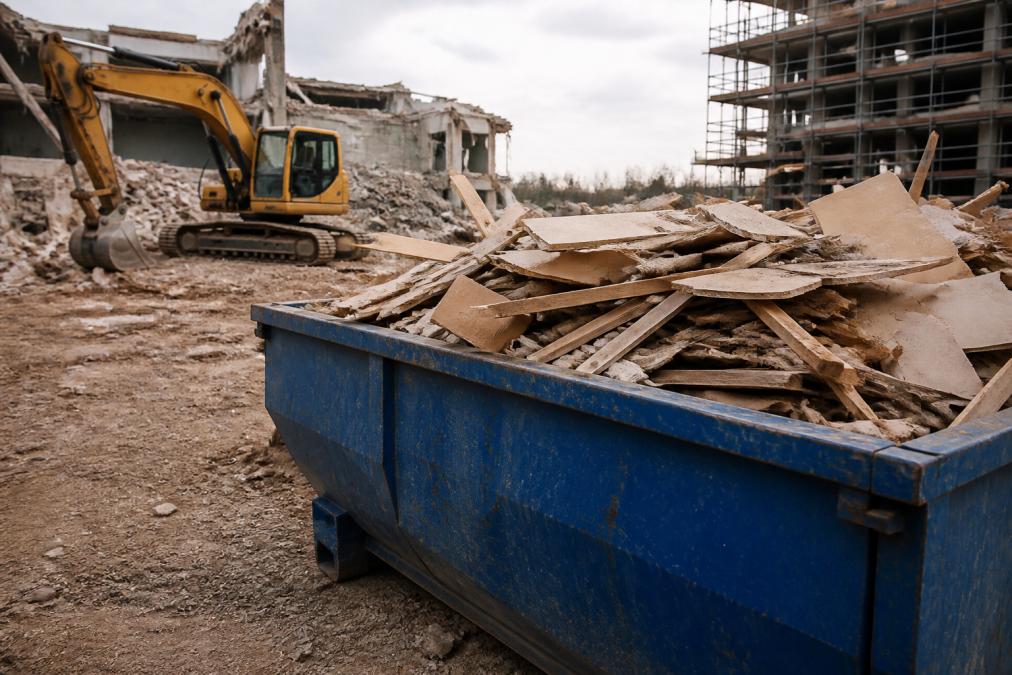
Wood waste encompasses dimensional lumber, plywood, OSB, and trim. Clean, untreated wood is highly recyclable and can be chipped for mulch, ground into animal bedding, or processed into engineered wood products. Treated wood, however, requires special handling due to chemical preservatives and cannot be mixed with clean wood streams.
Metal waste includes steel, aluminum, copper, and other ferrous and non-ferrous metals. Metals are among the most valuable waste streams because they have established recycling markets. Separating metals on-site, rather than letting them get buried in mixed debris, directly improves your waste diversion rates and can offset disposal costs.
Drywall and gypsum products require separate handling because they can contaminate other recyclable streams. Many landfills now charge premium fees for mixed loads containing drywall, making separation economically important. Gypsum recycling facilities exist in most regions and accept clean drywall for processing into new wallboard or soil amendments.
Hazardous materials include asbestos, lead paint, refrigerants, oils, solvents, and other substances regulated under federal and state environmental law. These must be identified, contained, and transported by licensed hazardous waste contractors. Mishandling hazardous materials creates liability exposure and can result in substantial fines.
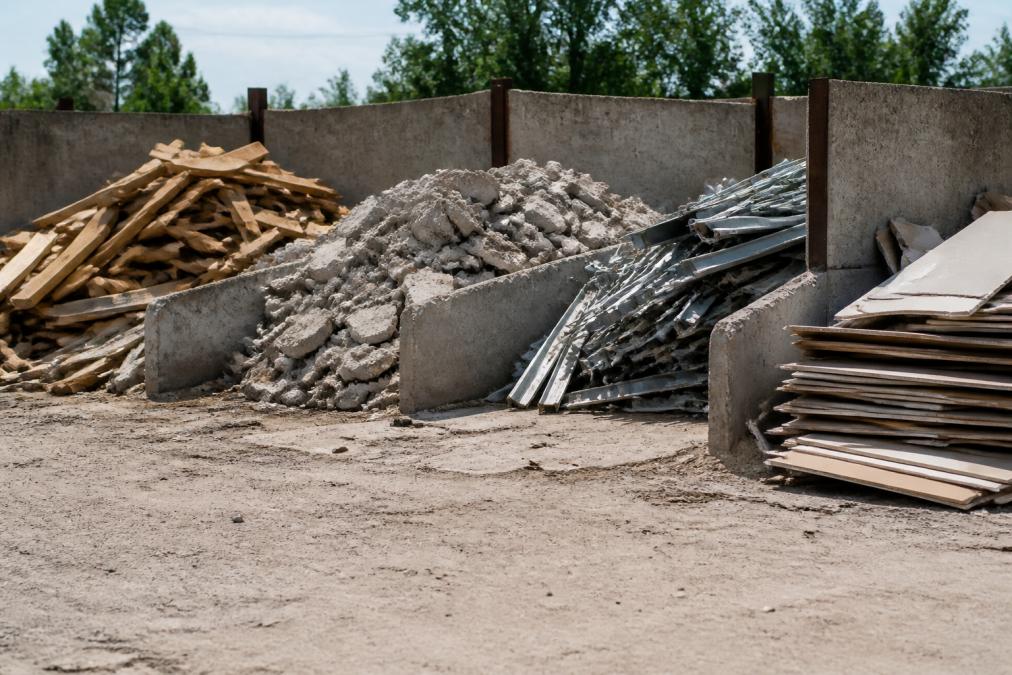
Mixed debris and contamination occurs when materials get combined during collection. Once mixed, a load often cannot be accepted at specialized facilities and defaults to landfill disposal, eliminating recovery opportunities and increasing costs. This is why on-site sorting systems are critical to waste management for construction projects.
Construction Dumpster Rental Sizes and Selection
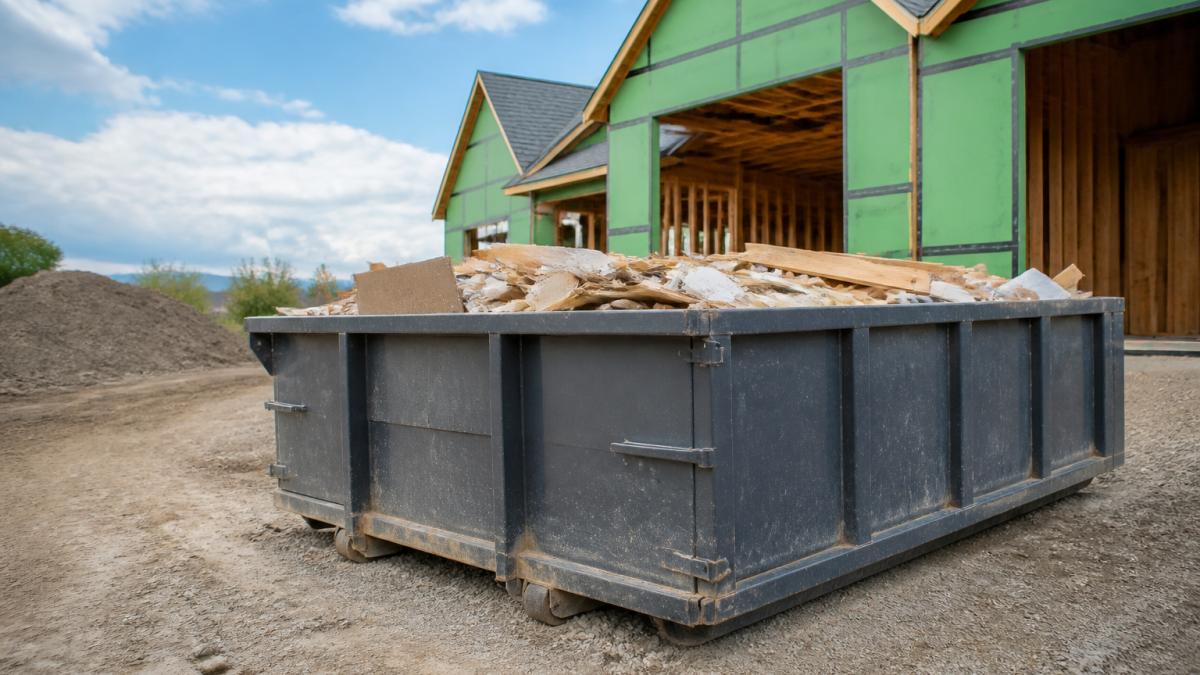
Selecting the right dumpster size prevents both waste of rental costs and mid-project scrambling for additional capacity. Construction dumpster rental sizes typically range from 10 cubic yards to 40 cubic yards, with some providers offering larger roll-off containers for major demolition work.
10-yard dumpsters suit small renovations, interior demolition, or cleanup projects. They hold roughly two pickup truck loads of debris and are appropriate for single-room remodels or minor site cleanup. These are often the most cost-effective option for homeowners or small contractors.
20-yard dumpsters are the industry standard for mid-sized projects. They accommodate typical residential renovations, small commercial demolition, or general site cleanup. A 20-yard container holds approximately four to five pickup truck loads and fits on most residential driveways without special permitting.
30-yard dumpsters handle larger renovation projects, commercial interior demolition, or substantial cleanup operations. These containers require more space and may need driveway permits in some jurisdictions. They're appropriate when you anticipate significant waste volume over a multi-week project.
40-yard dumpsters are designed for major demolition, large commercial projects, or extensive site clearance. These require dedicated space and typically need municipal permits. They represent the largest standard roll-off container and are most common on commercial construction sites.
Selecting size requires estimating your waste volume accurately. A common mistake is underestimating debris volume, construction waste is bulkier than expected, and materials don't compress significantly during collection. It's better to rent a slightly larger container than to face overage fees or emergency additional pickups that disrupt your schedule.
Patriot Solutions helps you assess your project scope and recommend appropriate container sizes based on project type, duration, and anticipated debris composition. This prevents both cost surprises and operational delays.
Construction Waste Disposal Regulations You Must Follow
Construction waste disposal is regulated at federal, state, and local levels, with requirements varying by jurisdiction and waste type. Understanding applicable regulations prevents costly compliance failures and protects your project from liability.
Federal regulations establish baseline requirements for hazardous waste handling, transportation, and disposal. The Resource Conservation and Recovery Act (RCRA) governs hazardous waste classification and management (the EPA). If your project involves asbestos, lead paint, or other regulated hazardous materials, you must follow RCRA protocols for identification, containment, and licensed disposal.
State environmental agencies establish additional requirements for construction waste management, recycling mandates, and landfill diversion goals. Many states now require construction waste audits and documentation of waste diversion percentages. Some states mandate that a minimum percentage of construction debris be diverted from landfills, often 50-75% depending on the state and project type (the EPA).
Local municipal codes typically specify dumpster placement requirements, permit procedures, and site-specific waste management plans. Most jurisdictions require a waste management plan before demolition or major renovation permits are issued. This plan must identify waste streams, diversion strategies, and disposal facilities.
LEED certification documentation requires detailed waste tracking if your project pursues green building certification. LEED requires documentation of waste diverted from landfills, typically targeting 75% diversion (usgbc.org). This means maintaining records of where debris goes, what facilities accept it, and what percentage actually gets diverted versus landfilled.
Regulations also address hazardous material handling protocols. Asbestos-containing materials must be handled by licensed abatement contractors and documented before demolition begins. Lead paint requires containment and specialized disposal. Refrigerants in HVAC equipment must be recovered by EPA-certified technicians before equipment is demolished.
Non-compliance carries real penalties: fines for improper hazardous waste disposal, project shutdowns, liability for environmental contamination, and potential criminal charges for serious violations. Working with experienced local providers like Patriot Solutions ensures your project meets all applicable regulations without guesswork.
How to Manage Construction Site Waste Effectively
Effective construction site waste management requires planning, sorting discipline, tracking, and communication. A systematic approach minimizes disposal costs, improves recycling rates, and keeps your site organized and safe.
Waste Audit Methodology
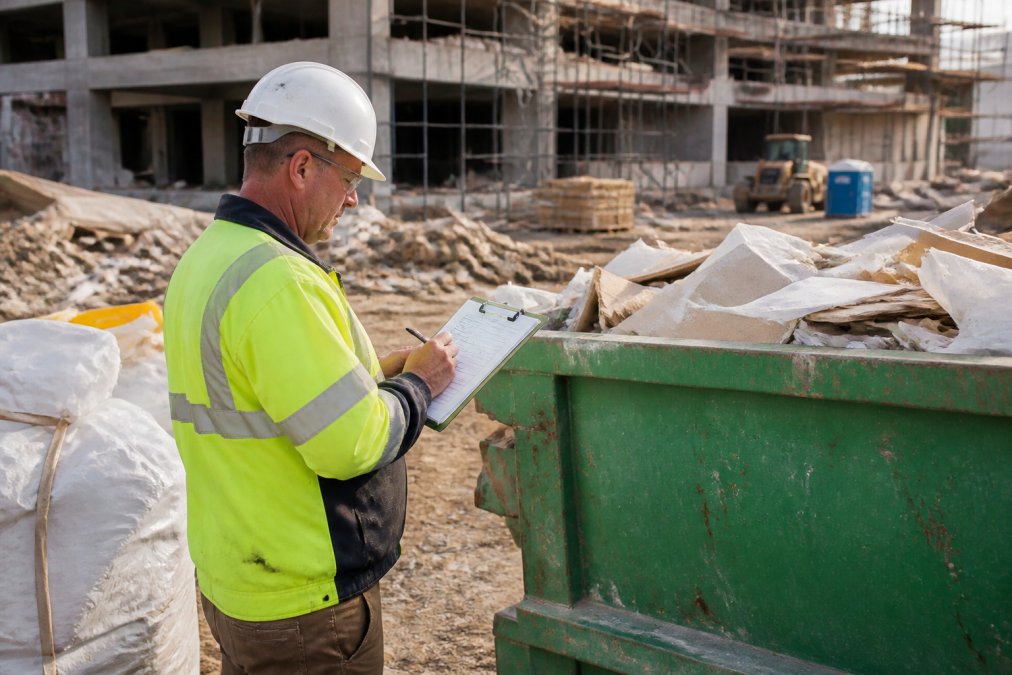
Begin with a waste audit before your project starts. This involves analyzing your specific project scope to identify what waste streams you'll generate, estimate volumes, and determine appropriate disposal pathways.
A waste audit includes these steps: First, review your project plans to identify all materials that will be removed or demolished. Second, categorize debris into inert materials, wood, metal, drywall, hazardous materials, and mixed waste. Third, research local facilities that accept each category, concrete recyclers, wood processing facilities, metal scrappers, gypsum recycling operations, and hazardous waste contractors. Fourth, estimate volumes based on square footage, material types, and project duration. Fifth, calculate disposal costs for each waste stream to identify which materials justify separate collection.
This audit becomes your baseline for measuring waste diversion success. It also reveals which waste streams have recovery value, metals and wood often offset collection costs through recycling revenue. Documenting your audit creates the foundation for LEED certification if applicable, and provides evidence of regulatory compliance.
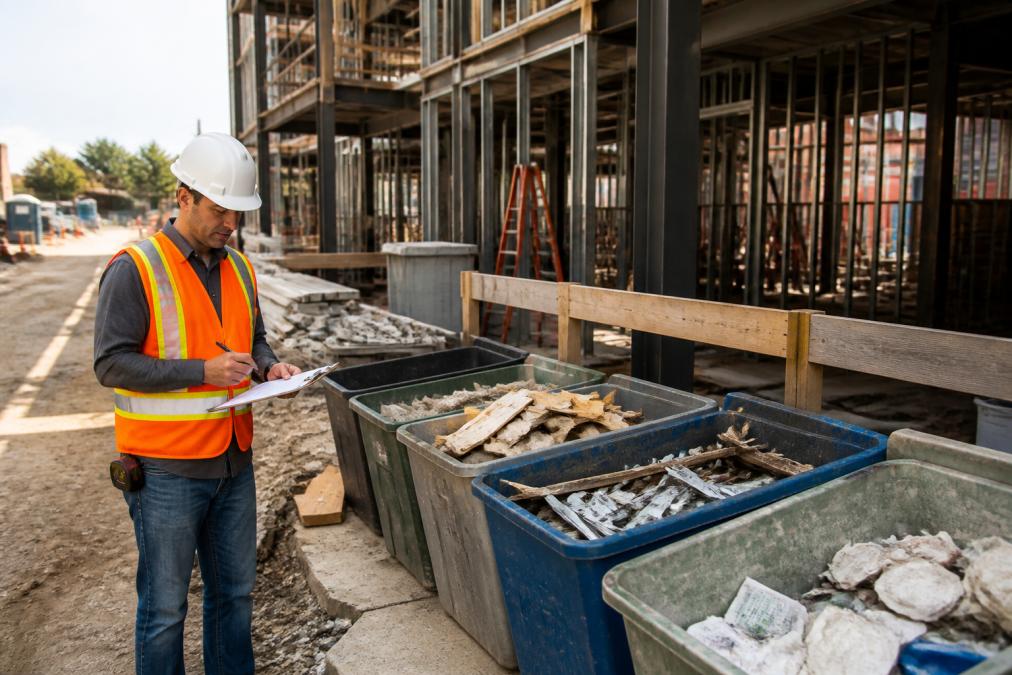
Digital Tracking and Waste Minimization
Modern waste tracking systems use digital tools to monitor what leaves your site, where it goes, and whether it's actually diverted from landfills. This transparency improves accountability and provides documentation for regulatory compliance.
Digital tracking typically involves: logging each debris removal with date, material type, volume, and destination facility; photographing sorted piles to verify separation quality; maintaining manifests from disposal facilities confirming receipt and processing method; and calculating diversion percentages based on actual facility data rather than assumptions.
Many waste management providers now offer mobile apps or web portals where you can view pickup schedules, track container fill status, and receive notifications when pickups occur. This real-time visibility prevents missed pickups and allows you to adjust collection frequency based on actual site conditions.
Waste minimization strategies reduce the volume you generate in the first place. This includes: ordering materials precisely to minimize excess; segregating waste during demolition rather than mixing everything; salvaging reusable materials for resale or donation; and coordinating with subcontractors to manage their waste streams. Even small reductions in waste volume decrease overall disposal costs and improve diversion percentages.
Waste Diversion and Recycling Strategies
Waste diversion means redirecting debris from landfills to recovery, recycling, or reuse facilities. This is both an environmental goal and an economic opportunity, diverted materials often have recovery value that reduces net disposal costs.
Effective diversion requires matching waste streams to appropriate facilities. Concrete and asphalt go to aggregate recyclers that crush material for roadbase or new concrete production. Wood goes to chippers, mulch producers, or biomass facilities. Metals go to scrappers who separate ferrous and non-ferrous materials for smelting. Drywall goes to gypsum recyclers. Cardboard and paper go to paper mills. Plastics go to specialized processors depending on type.
On-site sorting is essential to diversion success. Mixed loads cannot be processed at specialized facilities and default to landfill. This means establishing clear sorting protocols: separate containers for each material type, clear labeling, and worker training on what goes where. Common mistakes include contaminating clean wood with treated wood, mixing metals with other debris, or allowing hazardous materials to enter standard waste streams.
Contamination prevention is critical. A single hazardous item in a load can make the entire load unacceptable for recycling. Asbestos, lead paint, oils, and solvents must be removed before general demolition begins. Workers must understand what materials are hazardous and why contamination matters.
Documentation of diversion is increasingly important for regulatory compliance and LEED certification. Facilities provide manifests confirming receipt and processing method. Accumulating these documents throughout your project creates evidence of actual diversion, not just good intentions.
Cost-Saving Measures and Project Efficiency
Construction waste management affects project budgets directly through disposal fees and indirectly through timeline efficiency. Strategic waste management reduces both.
Right-sizing your container prevents overage fees. Underestimating size forces emergency additional pickups that disrupt schedules and cost more per cubic yard than planned pickups. Overestimating wastes rental costs on unused capacity. Patriot Solutions helps you assess project scope accurately to select appropriate container sizes from the start.
Scheduling pickups strategically maintains site organization without excess costs. Frequent small pickups keep the site clean and organized but increase per-pickup fees. Infrequent large pickups reduce pickup frequency but risk site clutter and safety hazards. The optimal schedule depends on project duration, debris generation rate, and site space constraints. Coordinating pickups with major demolition phases keeps costs and logistics efficient.
Separating high-value materials can offset disposal costs. Metals, copper wiring, and aluminum typically have scrap value. Coordinating with metal recyclers who can pick up valuable materials separately may actually generate revenue rather than cost disposal. Even modest volumes of metal can significantly reduce net disposal expenses.
Negotiating volume pricing with waste providers reduces per-unit costs on larger projects. If your project generates multiple containers or requires extended service, discussing pricing with providers like Patriot Solutions often yields better rates than standard pricing. Longer-term contracts for multi-phase projects typically offer better economics than individual pickups.
Minimizing waste generation reduces disposal volume directly. This includes precise material ordering, salvaging reusable components, and coordinating subcontractor waste management. A 10% reduction in waste volume directly reduces disposal costs by approximately 10%.
Planning for hazardous materials early prevents costly surprises. Identifying asbestos, lead paint, or other hazardous materials before demolition begins allows you to budget for specialized contractors and avoid contamination that makes entire loads unacceptable. Last-minute hazardous material discovery often requires work stoppage and expensive emergency remediation.
Construction waste management directly impacts your project's timeline, budget, and regulatory standing. By planning systematically, sorting rigorously, tracking transparently, and partnering with experienced local providers, you transform waste from a liability into a managed operational component.
Patriot Solutions specializes in reliable waste management for construction projects across the Delta area, offering roll-off dumpsters in appropriate sizes, fast reliable delivery, and local expertise in regional waste regulations. Our team understands construction site requirements and works to prevent the delays and cost surprises that poor waste management creates. Contact Patriot Solutions for a consultation on your project's waste management needs.
Frequently Asked Questions
How do I determine the right dumpster size for a construction project?
Dumpster size depends on project scope, duration, and debris type. Small renovations typically need 10-15 cubic yard containers, while major demolition projects may require 30-40 cubic yard roll-offs. Assess total debris volume, how long you'll need the container, and whether you'll have multiple pickups. Oversizing wastes money; undersizing creates delays and overage fees. Discuss your project timeline and material mix with your provider to avoid surprises.
What types of materials are prohibited in standard construction dumpsters?
Most dumpsters prohibit hazardous materials: asbestos, lead paint, fluorescent bulbs, batteries, oils, solvents, refrigerants, and pesticides. Appliances, tires, and electronics often require separate disposal. Check your local environmental regulations and your provider's restrictions before disposal. Violations result in fines and project delays. When in doubt, ask your waste management company, they can direct hazardous items to proper facilities.
What are the most effective strategies for construction waste reduction?
Start with accurate material estimates to reduce overordering. Sort waste on-site into reusable, recyclable, and disposal streams. Salvage usable lumber, metal, and fixtures for resale or reuse. Partner with recycling facilities to divert concrete, drywall, and cardboard. Track waste through a waste management plan and audit results to identify patterns. Many projects achieve 50-75% diversion rates through sorting and material recovery, reducing both disposal fees and environmental impact.
How does professional waste management improve job site safety?
Organized waste removal prevents trip hazards, reduces fire risks from debris accumulation, and keeps pathways clear for emergency access. Proper hazardous material handling prevents worker exposure to toxic substances. Regular pickups prevent overflow and site congestion. A clean site reduces injuries, speeds project completion, and shows regulatory compliance during inspections. Professional waste management keeps crews focused on work, not cleanup chaos.
What are the environmental benefits of proper construction debris disposal?
Diverting waste from landfills reduces methane emissions and extends landfill life. Recycling concrete, asbestos-free drywall, and metals conserves natural resources and reduces mining impact. Material recovery supports circular economy practices. Proper hazardous waste handling prevents soil and water contamination. Projects pursuing LEED certification require documented waste diversion, professional tracking and reporting demonstrate compliance and sustainability goals.
Can you service small projects, or do you mainly work with large construction sites?
Professional waste management scales to projects of all sizes, from backyard renovations and small events to major construction and demolition work. Smaller projects benefit from flexible rental periods and right-sized containers that avoid overpaying for unused capacity. Discuss your project scope, timeline, and budget with your local provider. Many offer solutions for residential renovations, event cleanups, and seasonal agricultural operations alongside commercial construction.
This article was written using GrandRanker