 ultimate-guide
Portable Restroom Rental for Construction Sites: A Complete Guide
Table of Contents
- Types of Portable Restrooms for Construction Sites
- OSHA Portable Toilet Requirements for Job Sites
- How Many Porta Potties Per Employee: Sizing Your Site
- Portable Restroom Maintenance Schedule and Service Frequency
- Delivery, Setup, and Site Planning for Portable Restrooms
- Troubleshooting Common Portable Restroom Rental Issues
- Environmental Impact and Responsible Waste Disposal
- Conclusion
- Frequently Asked Questions
Last Updated: September 4, 2026
Portable restroom rental for construction sites is the process of providing temporary, self-contained sanitation units to job sites that lack permanent facilities, ensuring workers have safe and compliant access to restrooms. It involves more than just dropping off a few units; it requires careful planning around worker count, project duration, regulatory compliance, and a reliable maintenance schedule. For site managers in the Delta, Utah area, getting this wrong can halt a project faster than almost any other logistical oversight. At Patriot Solutions, a dependable sanitation plan is a cornerstone of efficient and responsible construction management.
The cost of neglecting job site hygiene is steep, ranging from regulatory fines to a measurable drop in worker morale and productivity. While many managers treat restroom rental as an afterthought, the most successful projects treat it as a critical component of the site plan from day one. This guide will walk you through the essential steps of securing the right units, understanding OSHA requirements, and sizing your rental correctly. Below, we’ll show you exactly how to avoid the common pitfalls that lead to project delays and compliance headaches.
Types of Portable Restrooms for Construction Sites
Choosing the right unit is the first decision that impacts everything else, from your budget to your service schedule. The market offers several distinct types, each designed for a specific level of use and site condition. Understanding the differences ensures you aren't paying for features you don't need or, conversely, dealing with a unit that can't handle your crew's output.
- Standard Portable Toilets: The most common and economical choice. These are non-flushing units that use a holding tank with deodorizing chemicals. They are ideal for short-term projects and smaller crews where a fresh water supply for flushing isn't practical.
- Flushable Toilets: These units feature a freshwater tank that powers a flushing mechanism, which many workers find more hygienic and pleasant to use. They require more frequent servicing to refill the fresh water tanks and empty the waste holding tanks but offer a higher level of comfort.
- Hoistable Units: Specifically designed for sites with limited access, these units have reinforced lifting points so they can be moved by a crane or forklift. This is essential for high-rise construction or projects in tight urban areas where a standard truck cannot reach the final placement.
- Luxury Restroom Trailers: While more common for events, some larger or longer-term construction projects opt for these to provide a premium experience, especially for management or client-facing staff. They offer multiple stalls, lighting, and sinks, but represent a significantly higher investment.
For most standard construction applications, a mix of standard and flushable units provides the best balance of cost and worker satisfaction. The choice between them often comes down to the project's duration and the availability of a water source on site.
OSHA Portable Toilet Requirements for Job Sites
OSHA regulations are not suggestions; they are the legal baseline for worker safety and health. Under the OSHA sanitation standards, employers must provide toilet facilities that are accessible, sanitary, and maintained in good working order. The core requirement is that you must have at least one toilet seat and one urinal per 20 employees, or a single toilet seat for crews of 20 or fewer (osha.gov).
The standards go beyond just the number of units. Facilities must be kept clean and in a sanitary condition, which means establishing a regular cleaning schedule from the start. They must also be accessible to workers, meaning they cannot be located so far away that using them becomes a significant time burden or safety risk. Furthermore, you must provide potable drinking water and washing facilities, which often means including hand sanitizer dispensers or portable sinks near the restroom units to meet the OSHA hygiene and handwashing requirements for job site hygiene.
How Many Porta Potties Per Employee: Sizing Your Site
The formula for how many porta potties per employee is straightforward, but it requires accurate planning. While the legal minimum is one unit for up to 20 workers, best practice for morale and productivity often suggests more, especially on larger or longer-running sites. The calculation isn't just about headcount; it's about the flow of the workday and minimizing time spent waiting in line.
- Crew of 10 or fewer: One standard unit is typically sufficient, but a second should be considered if the site is spread out over a large area.
- Crew of 20: The OSHA minimum is one unit, but providing two is common practice to avoid bottlenecks during shift changes and break times.
- Crew of 50: You should have at least three units to meet the legal requirement, but four or five is recommended to keep workers productive and satisfied.
- Crew of 100: A minimum of five units is required by law. For this size, a mix of standard and flushable units, placed in multiple locations across the site, is the most effective strategy.
A practical rule of thumb is to over-provide slightly in the early stages of a project when you are still learning the crew's rhythms. The cost of one additional unit is often far less than the lost productivity from workers waiting in line or leaving the site to find a restroom.
Portable Restroom Maintenance Schedule and Service Frequency
A portable restroom maintenance schedule is the backbone of a compliant and functional job site. The frequency of service is not a one-size-fits-all number; it depends entirely on the number of users, the type of units, and the ambient temperature. A unit used by a crew of 50 in the summer will need servicing far more often than one used by a crew of 10 in the winter.
As a general guideline, most standard units on an active construction site will need a full service at least once a week. This service includes pumping out the waste holding tanks, cleaning the interior and exterior surfaces, and replenishing deodorizing chemicals and hand sanitizer. For larger crews or during hot weather, the service frequency should be increased to two or three times per week to prevent odors and overflow. Flushable units require more attention to keep their fresh water tanks full.
When you are choosing a provider, ask directly about their service intervals and what happens if a unit needs emergency attention between scheduled visits. The reliability of your provider is just as important as the quality of the equipment they deliver. Choosing a local partner like Patriot Solutions often means faster response times and a more flexible schedule, which is critical when your project timeline is tight.
Delivery, Setup, and Site Planning for Portable Restrooms
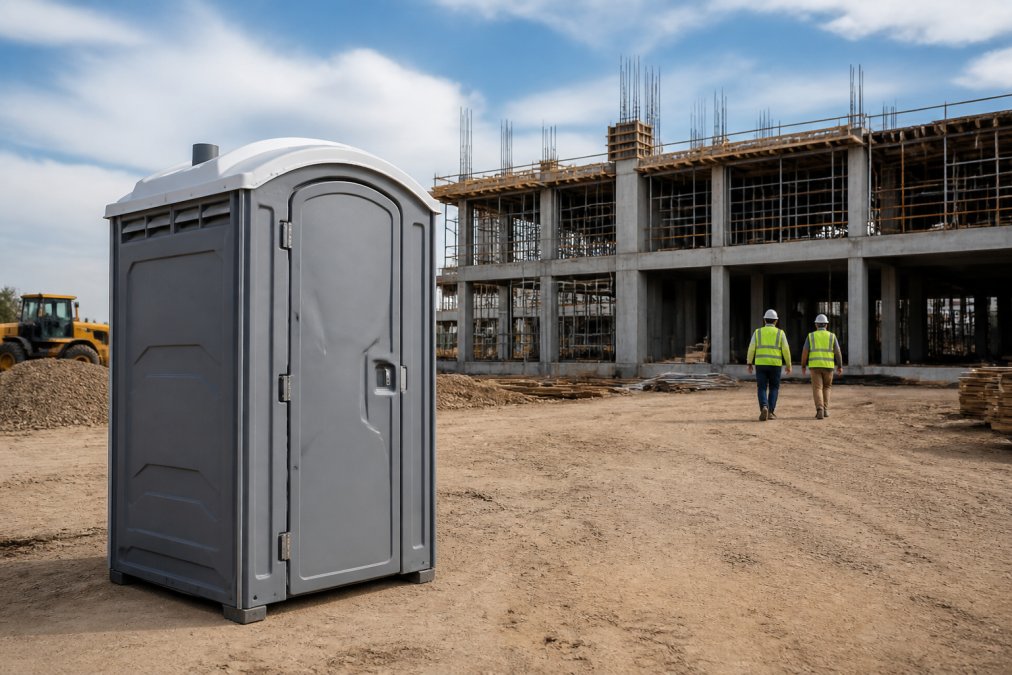
Proper site planning ensures your units are accessible, safe, and functional from the first day of the project. Delivery and setup is more than just placing a unit on the ground; it involves considering ground conditions, accessibility for the service truck, and the flow of workers and equipment. A poorly placed unit can be a safety hazard and a logistical nightmare.
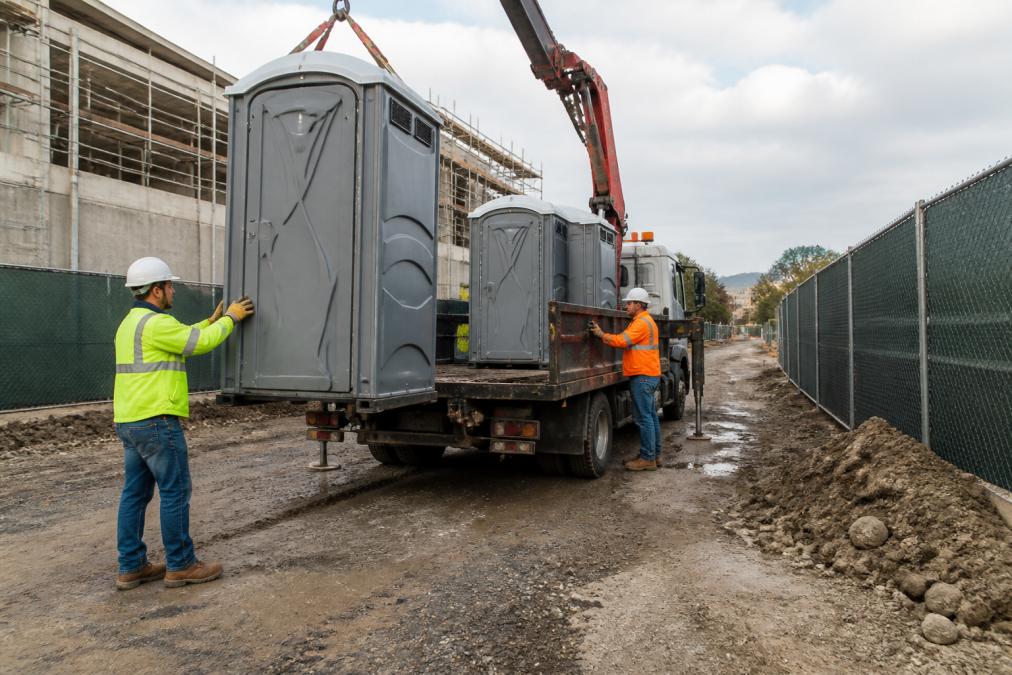
First, identify a location that is flat, stable, and accessible. The ground must be able to support the weight of the unit and the service truck without sinking or becoming muddy. The area should be clear of overhead obstructions like power lines, which can be a hazard during delivery. Second, think about accessibility for workers. The units should be placed in a central, well-lit location that is safe to reach from all active work areas, without requiring workers to cross dangerous zones or navigate uneven terrain.
Finally, consider the path the service truck will take. The provider needs a clear route to access the units for pumping and maintenance. If you place a unit in a spot that becomes surrounded by materials or equipment, you will be forced to move it or miss a service, leading to a full and unsanitary unit. A little forethought in site planning saves significant headaches later.
Troubleshooting Common Portable Restroom Rental Issues
Even with the best planning, issues can arise. Knowing how to troubleshoot common problems quickly can prevent a minor inconvenience from becoming a major site disruption. The most frequent complaint is odor, which is almost always a sign that the unit needs servicing or that the deodorizing chemicals have been depleted, not a flaw in the unit itself.
If a unit becomes tipped over or damaged, it is a safety hazard and must be addressed immediately. Contact your rental provider right away to have the unit repaired or replaced. Do not attempt to right a large unit yourself, as this poses a serious injury risk. Another common issue is a clogged or non-functioning flush mechanism on a flushable unit, which often points to items being disposed of that shouldn't be. Clear communication with the crew about what can and cannot go into the units is the first line of defense.
When you sign your rental agreement, ask your provider about their policy for emergency service calls and what constitutes an emergency. Understanding the process before you need it ensures that a small problem doesn't stall your entire project. A provider that offers dependable local service, like Patriot Solutions, is often better equipped to handle these urgent situations than a large national company with a remote dispatch center.
Environmental Impact and Responsible Waste Disposal
Responsible waste disposal is a critical part of the sanitation process that happens after the unit is serviced. The waste collected from holding tanks is not simply dumped; it must be transported and processed at a licensed wastewater treatment facility. This ensures that sewage disposal is handled in an environmentally sound manner, protecting local water sources and ecosystems. When you rent a portable restroom, you are also renting the assurance that this waste stream is managed responsibly.
A reputable provider will have established protocols for wastewater management that comply with all local and state environmental regulations. This includes using properly permitted vehicles for transport and only disposing of waste at approved facilities. The use of deodorizing chemicals is also regulated, and a professional service will use products that are safe for the treatment process and the environment.
When choosing a provider, it is reasonable to ask about their waste disposal procedures. A company that is transparent about its environmental practices is one that is likely to be reliable in other areas of its business as well. This commitment to environmental stewardship is part of what separates a professional sanitation partner from a simple equipment rental company.
Conclusion
Securing the right portable restroom rental for construction sites is a multi-step process that involves understanding regulations, sizing your site correctly, and establishing a reliable maintenance rhythm. It requires balancing the legal requirements from OSHA with the practical needs of your crew to maintain productivity and morale. By following the guidance you can create a sanitation plan that is compliant, efficient, and responsible.
The challenge many managers face is finding a partner who can deliver on all these fronts: clean equipment, fast delivery, and dependable local service. Patriot Solutions addresses this by specializing in essential sanitation services for the Delta, Utah area, offering portable restrooms and roll-off dumpsters backed by a commitment to reliability and responsibility. Get started with Patriot Solutions and secure a sanitation plan that keeps your project on schedule and your site compliant.
Frequently Asked Questions
What are the OSHA requirements for portable restrooms on construction sites?
OSHA requires one portable toilet for every 20 workers on a construction site. Hand-washing stations must be within 200 feet of work areas. Restrooms must be stocked with toilet paper, soap, and hand sanitizer, and serviced regularly to maintain sanitary conditions. ADA-compliant units are required if workers with disabilities are present. Your rental provider should help ensure compliance with current OSHA portable toilet requirements.
How many porta potties per employee do I actually need?
The standard rule is one portable toilet for every 20 workers. For a 40-person crew, you'd need two units minimum. However, the actual number depends on shift length, site conditions, and worker density. Construction sites with multiple shifts may require additional units. Adding one extra unit prevents bottlenecks and keeps morale high. A local provider familiar with job site hygiene can help you calculate the right quantity based on your specific crew size and project duration.
How often should portable restrooms be serviced at a construction site?
Most construction sites require weekly service to maintain sanitary conditions and prevent odor and overflow issues. High-traffic sites may need twice-weekly or even daily service. Your portable restroom maintenance schedule should be outlined in the rental agreement before equipment arrives. Regular service logs ensure compliance, prevent emergency downtime, and demonstrate responsibility to inspectors. Ask your provider about flexible scheduling that matches your project phases.
Can Patriot Solutions service rural areas like Hinckley, or do you mainly operate in Delta?
Patriot Solutions provides reliable local service throughout the region, including rural areas. Our dependable local service model means we understand the unique needs of dispersed job sites and agricultural operations. Delivery times and availability depend on current demand, so contact us early for your project timeline. We're committed to serving construction managers, event planners, and farm operations across the entire service area with the same professional support.
What's included in portable restroom rental, and are there hidden fees I should know about?
Standard rental typically includes the unit, toilet paper, hand sanitizer, and regular service visits as specified in your agreement. Some providers charge separately for delivery, setup, extra service visits, or specialized units like ADA-compliant or luxury trailers. Ask your provider upfront about what's included, overage fees, and whether pricing varies by project duration. A transparent rental agreement prevents surprises and helps you budget accurately for your three-week renovation or construction project.
How do I know a rental company won't miss pickups during my project?
Choose a provider with a strong local reputation and ask for references from other construction managers in your area. Request a detailed service agreement that specifies pickup and delivery dates, service frequency, and what happens if a scheduled service is missed. Patriot Solutions prioritizes reliability and responsibility as core values, with dependable local service and professional support you can count on. Before committing, confirm their emergency response procedures if an issue arises during your project.
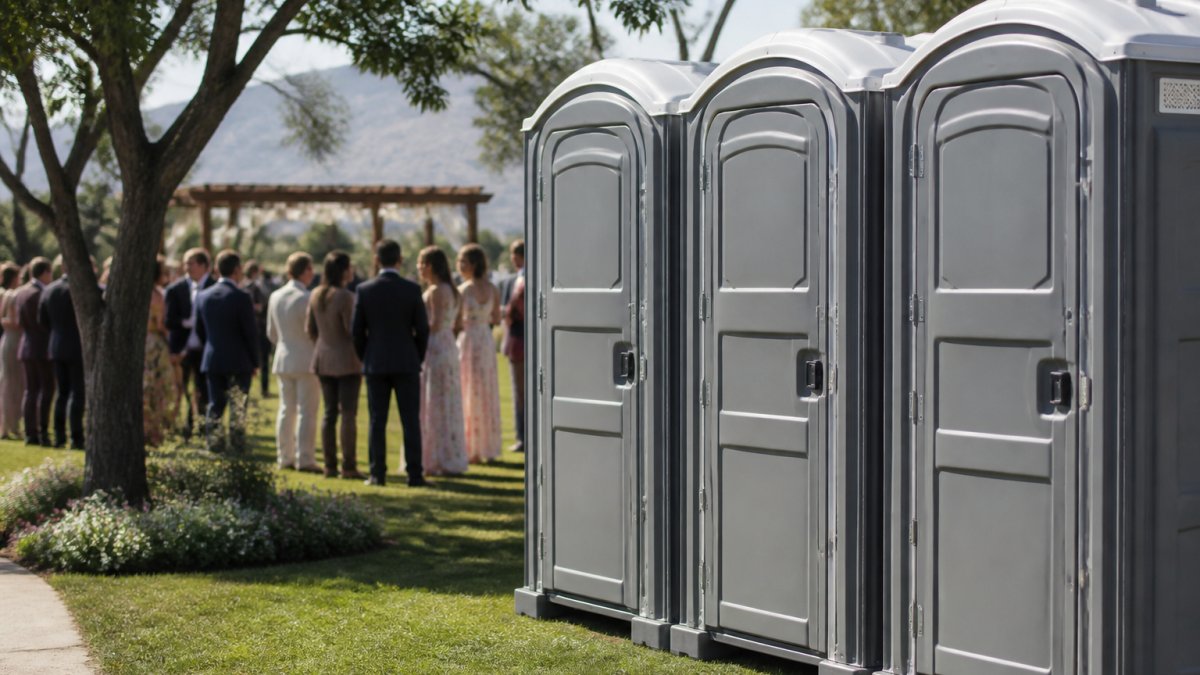
Do you offer portable restroom solutions for small events like a 75-person backyard wedding?
Yes, Patriot Solutions services projects of all sizes, from small residential events to large construction sites. A 75-person wedding typically needs 3-4 portable restroom units depending on event duration and guest comfort expectations. Small events benefit from the same professional service and clean equipment as larger projects. Contact us with your event details, guest count, and date to discuss options and get a quote tailored to your specific needs.
This article was written using GrandRanker
Frequently Asked Questions
Q: What are the OSHA requirements for portable restrooms on construction sites?
A: OSHA requires one portable toilet for every 20 workers on a construction site. Hand-washing stations must be within 200 feet of work areas. Restrooms must be stocked with toilet paper, soap, and hand sanitizer, and serviced regularly to maintain sanitary conditions. ADA-compliant units are required if workers with disabilities are present. Your rental provider should help ensure compliance with current OSHA portable toilet requirements.
Q: How many porta potties per employee do I actually need?
A: The standard rule is one portable toilet for every 20 workers. For a 40-person crew, you'd need two units minimum. However, the actual number depends on shift length, site conditions, and worker density. Construction sites with multiple shifts may require additional units. Adding one extra unit prevents bottlenecks and keeps morale high. A local provider familiar with job site hygiene can help you calculate the right quantity based on your specific crew size and project duration.
Q: How often should portable restrooms be serviced at a construction site?
A: Most construction sites require weekly service to maintain sanitary conditions and prevent odor and overflow issues. High-traffic sites may need twice-weekly or even daily service. Your portable restroom maintenance schedule should be outlined in the rental agreement before equipment arrives. Regular service logs ensure compliance, prevent emergency downtime, and demonstrate responsibility to inspectors. Ask your provider about flexible scheduling that matches your project phases.
Q: Can Patriot Solutions service rural areas like Hinckley, or do you mainly operate in Delta?
A: Patriot Solutions provides reliable local service throughout the region, including rural areas. Our dependable local service model means we understand the unique needs of dispersed job sites and agricultural operations. Delivery times and availability depend on current demand, so contact us early for your project timeline. We're committed to serving construction managers, event planners, and farm operations across the entire service area with the same professional support.
Q: What's included in portable restroom rental, and are there hidden fees I should know about?
A: Standard rental typically includes the unit, toilet paper, hand sanitizer, and regular service visits as specified in your agreement. Some providers charge separately for delivery, setup, extra service visits, or specialized units like ADA-compliant or luxury trailers. Ask your provider upfront about what's included, overage fees, and whether pricing varies by project duration. A transparent rental agreement prevents surprises and helps you budget accurately for your three-week renovation or construction project.
Q: How do I know a rental company won't miss pickups during my project?
A: Choose a provider with a strong local reputation and ask for references from other construction managers in your area. Request a detailed service agreement that specifies pickup and delivery dates, service frequency, and what happens if a scheduled service is missed. Patriot Solutions prioritizes reliability and responsibility as core values, with dependable local service and professional support you can count on. Before committing, confirm their emergency response procedures if an issue arises during your project.
Q: Do you offer portable restroom solutions for small events like a 75-person backyard wedding?
A: Yes, Patriot Solutions services projects of all sizes, from small residential events to large construction sites. A 75-person wedding typically needs 3-4 portable restroom units depending on event duration and guest comfort expectations. Small events benefit from the same professional service and clean equipment as larger projects. Contact us with your event details, guest count, and date to discuss options and get a quote tailored to your specific needs.