 how-to
How to Manage Construction Site Waste: 7-Step Guide
Table of Contents
- Why Construction Site Waste Management Matters
- Develop a Construction Waste Management Plan Template
- Step 1: Conduct a Waste Stream Analysis Before Work Begins
- Step 2: Implement Source Reduction and Material Reuse
- Step 3: Set Up On-Site Waste Segregation and Sorting
- Construction Site Recycling Strategies That Work
- Benefits of Roll-Off Dumpster Rentals for Debris Removal
- Ensure Regulatory Compliance and Hazardous Waste Identification
Last Updated: August 20, 2026
Why Construction Site Waste Management Matters
Construction generates enormous volumes of debris. Without a deliberate strategy, most waste heads straight to the landfill, costly, inefficient, and increasingly at odds with regulatory expectations. Managing construction site waste controls costs, meets compliance requirements, and reduces environmental impact. A well-structured approach recovers valuable materials, cuts disposal fees, and keeps projects on schedule.
Patriot Solutions works with construction managers who understand this reality. Below, we'll walk through a practical framework for managing construction site waste from start to finish, including planning, sorting, and compliance steps that move the needle.
Develop a Construction Waste Management Plan Template
A construction waste management plan (WMP) is your roadmap. It defines what materials will be generated, where they'll go, and how you'll track them. Without one, you're reacting to waste instead of controlling it.
What to include in your plan
Start with a waste stream analysis. Identify major material categories: wood framing, drywall, concrete, metal, roofing, insulation, and hazardous substances. For each, estimate volume and note whether it can be reused, recycled, or must be disposed.
Map your sorting strategy. Where will materials be segregated on site? Document collection point locations and assign responsibility. Research which local recycling facilities accept which materials, some accept mixed C&D debris; others require source-separated loads.
Add a tracking system. Whether you use a spreadsheet or digital tool, you need visibility into what's leaving the site and where it's going. Finally, note your hazardous waste protocol. Asbestos, lead paint, refrigerants, and other regulated materials require special handling.
How to track and monitor waste
Implement a log at the site entrance recording material type, volume, date removed, and destination. Photograph sorted materials periodically to demonstrate segregation. Request weight tickets or receipts from haulers and recycling partners, these documents prove diversion and support compliance reporting. Digital tools can automate logging and generate reports; for smaller projects, a shared spreadsheet works fine.
Step 1: Conduct a Waste Stream Analysis Before Work Begins
Before equipment arrives, walk through the project and identify what you'll manage. For renovation work, inspect existing structures and note what's being removed. Identify hazardous materials requiring special handling. For new construction, review drawings to determine what waste streams to expect.
Quantify as precisely as possible. Estimate square footage of demolition, linear feet of framing, tons of concrete. Document the timeline, when will each phase occur and when will largest volumes be generated? This analysis shapes your collection schedule and budget. Skipping it usually means reactive management, which costs more.
Step 2: Implement Source Reduction and Material Reuse
The waste hierarchy puts reduction first. Order materials in quantities matching actual needs. Plan layouts to minimize cutting waste. Work with your crew to optimize material use, small investments in planning often reduce waste by 10-15%.
Deconstruction, carefully disassembling components rather than demolishing them, recovers far more material than demolition. Doors, windows, flooring, cabinetry, and structural elements can often be salvaged whole. Identify reuse partners before starting, Habitat for Humanity ReStore locations, salvage yards, and architectural reclamation companies accept used building materials.
On-site reuse is often overlooked. Can excavated soil be used for grading elsewhere? Can concrete be crushed and reused as base material? Can wood framing be repurposed for temporary bracing? These internal reuse strategies eliminate disposal entirely.
Step 3: Set Up On-Site Waste Segregation and Sorting
Segregation is where waste becomes valuable. Mixed debris goes to the landfill. Sorted material goes to recycling, reuse, or specialized processors. Create distinct collection areas for each major waste stream with clearly labeled bins: wood, metal, concrete, mixed debris, hazardous waste. Color-coding helps.
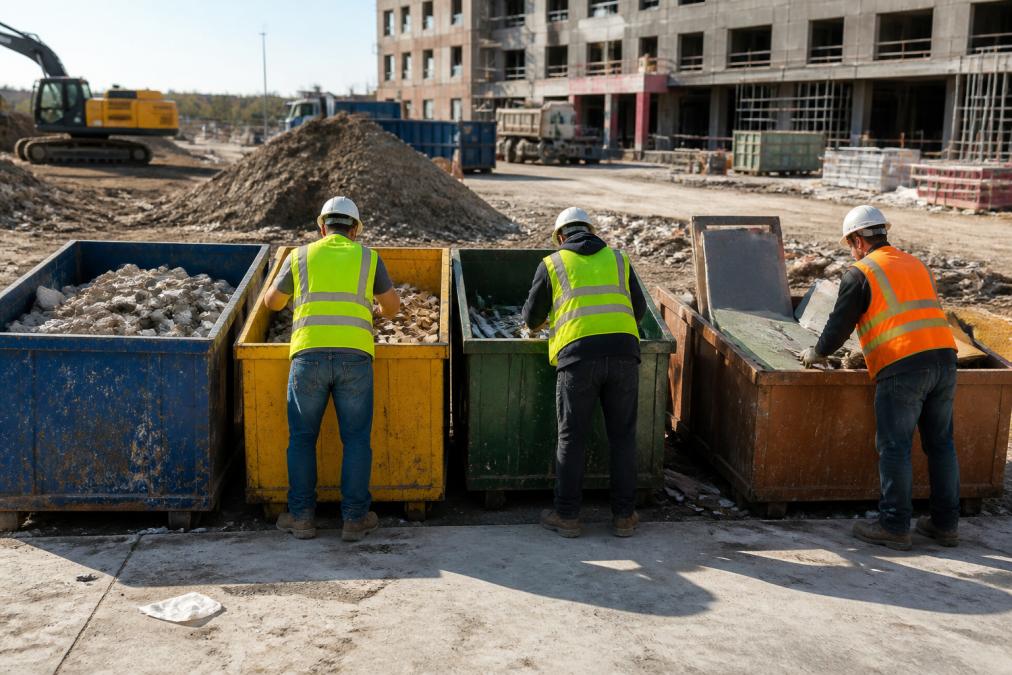
Train your crew on segregation. Contamination destroys the value of entire loads. A single sheet of drywall in a wood bin can make the whole bin unsuitable for recycling. Assign someone to monitor bins and prevent contamination. For materials requiring specialized processing, consider staging areas. Manage hazardous materials separately from the start.
Construction Site Recycling Strategies That Work
Recycling construction debris requires knowing what's recyclable and where to send it. Not all facilities accept all materials.
Materials you can recycle on site
Wood is easiest. Untreated lumber, plywood, and dimensional framing go to wood processors. Concrete is recyclable, crushed concrete becomes aggregate for new concrete, road base, or fill. Metal is valuable: steel framing, rebar, copper wiring, and aluminum trim all have scrap value.
Drywall is recyclable to gypsum processors but cannot be mixed with other materials. Roofing materials are trickier, asphalt shingles can sometimes be recycled into asphalt pavement, but not all facilities accept them. Insulation varies by type; check with local processors.
Finding local recycling infrastructure
Start with your state's environmental agency database of recycling facilities by material type. Contact local waste management companies and ask what materials they accept, whether they accept mixed or source-separated loads, and current tipping fees. Call ahead before hauling to confirm acceptance and requirements.
| Material | Recyclable | Processing Method | Common Destination |
|---|---|---|---|
| Untreated wood | Yes | Chipping, engineered products | Mulch, composite manufacturers |
| Concrete | Yes | Crushing | Aggregate, road base |
| Steel/metal | Yes | Sorting, melting | Steel mills, foundries |
| Drywall | Yes | Gypsum processing | New drywall, soil amendment |
| Asphalt shingles | Sometimes | Asphalt pavement | Paving contractors |
Benefits of Roll-Off Dumpster Rentals for Debris Removal
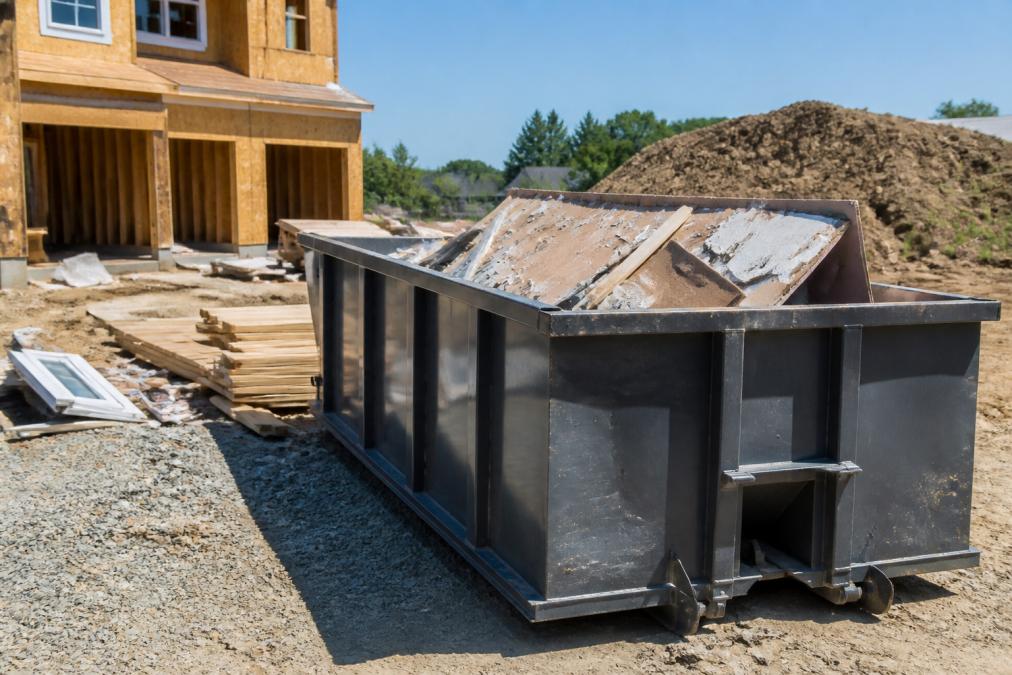
Roll-off dumpsters are workhorses on construction sites, sized for high-volume debris removal and designed for efficient loading and transport. A roll-off dumpster holds 10-40 cubic yards depending on size. You can load it gradually, then have it hauled away and replaced.
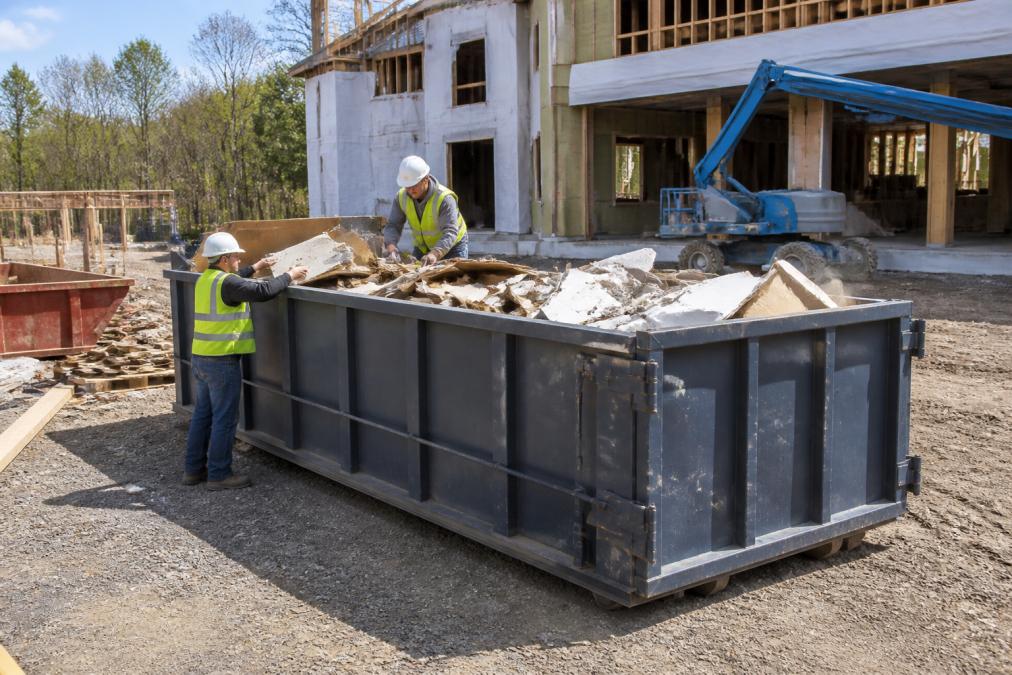
Patriot Solutions provides roll-off dumpsters for projects. Reliable equipment and dependable local service mean your dumpster arrives when needed and gets picked up on schedule. Choose the right size, a small residential renovation typically needs 20 cubic yards; a commercial build-out needs 30-40. Most facilities accept general construction debris: wood, drywall, roofing, flooring, fixtures, concrete, and metal. They typically do NOT accept hazardous materials, liquids, appliances with refrigerant, or tires.
Position the dumpster close to where waste is generated to reduce worker travel time. Monitor fill levels, some rental companies charge overage fees if you exceed weight limits or pile materials above the container's edges.
Ensure Regulatory Compliance and Hazardous Waste Identification
Construction waste is regulated. Certain materials require special handling, and you must document what you've done with your waste. Start by identifying hazardous materials on your site. Asbestos-containing materials, lead-based paint, PCBs in old electrical equipment, and refrigerants all require specialized removal and disposal. If your project involves renovation or demolition of pre-1980s structures, assume hazardous materials are present until proven otherwise.
Hire licensed contractors to handle hazardous materials. Document everything, what was identified, who removed it, where it went, and what certifications the contractor held. Understand your state's waste diversion requirements. Many states have construction waste diversion goals, typically 50-75% of C&D debris diverted from landfills. Keep waste manifests and receipts showing what you delivered and where it went.
| Requirement | Why It Matters | What to Do |
|---|---|---|
| Hazardous material identification | Prevents health/environmental damage | Inspect site, hire licensed contractors |
| Waste stream documentation | Proves compliance, supports diversion claims | Maintain logs and receipts |
| Segregation practices | Enables recycling, reduces disposal costs | Train crew, monitor bins |
| Regulatory reporting | Meets state/local requirements | Check requirements, submit documentation |
Managing construction site waste effectively requires planning, discipline, and reliable equipment. Start with a waste stream analysis, develop a segregation strategy, and connect with local recycling partners before work begins. Track what leaves your site and where it goes. When debris removal is part of your plan, not an afterthought, you'll see lower disposal costs, fewer project delays, and better regulatory standing.
Patriot Solutions understands the demands of construction site management. Our roll-off dumpsters and dependable local service support your waste management strategy from start to finish. Whether you're managing a small renovation or a major demolition, we deliver clean equipment on schedule and remove it when you're done. Get started with Patriot Solutions and keep your site organized, compliant, and moving forward.
Frequently Asked Questions
What materials are considered construction and demolition (C&D) debris?
C&D debris includes concrete, wood, drywall, metals, roofing materials, brick, asphalt, insulation, and flooring. Hazardous materials like asbestos, lead paint, and refrigerants require separate handling and disposal under EPA regulations. Knowing what qualifies as C&D helps you plan segregation and identify materials for reuse or recycling.
How does a waste management plan benefit project timelines?
A solid construction waste management plan reduces delays from debris accumulation, prevents overfilled dumpsters mid-project, and ensures compliant disposal so inspections pass without setbacks. Clear sorting procedures mean crews spend less time searching for disposal options and more time on productive work. Planning ahead also secures reliable equipment delivery, so you're never waiting for a dumpster to arrive.
What's the difference between deconstruction and demolition for waste reduction?
Deconstruction carefully removes and salvages reusable materials like wood beams, fixtures, and hardware for resale or donation, reducing landfill waste and recovering material value. Demolition tears down structures quickly, generating more mixed debris that's harder to separate and recycle. Deconstruction costs more upfront but recovers material value and diverts waste, lowering overall environmental impact and sometimes offsetting labor costs.
How can I track waste diversion and measure my recycling success?
Track the weight or volume of materials sent to landfill versus recycled or reused using your waste audit records. Waste diversion rate is calculated as (total waste diverted / total waste generated) × 100. Record material types, quantities, and destinations weekly. Many green building certifications require documentation of at least 75% waste diversion, so accurate tracking supports compliance and helps you identify areas to improve.
This article was written using GrandRanker