 how-to
How to Rent Portable Toilets in Delta, Utah
Table of Contents
- Assess Your Sanitation Needs Before Renting
- How Many Portable Toilets for Your Event or Project
- Portable Toilet Placement Requirements and Site Preparation
- Understand Portable Toilet Rental Cost Estimates
- Check Permit Requirements for Your Project
- Schedule Delivery and Service Frequency
- Choose Between Standard and Luxury Restroom Options
- Request Your Quote and Confirm Rental Details
Last Updated: August 18, 2026
Assess Your Sanitation Needs Before Renting
Before you reach out to Patriot Solutions or any portable sanitation provider, understand exactly what your project requires. The difference between renting the right equipment and overspending comes down to this first step.
Start by identifying your event or project type. A three-day construction site has completely different sanitation demands than a weekend wedding. Duration matters enormously, a two-week renovation requires a different service schedule than a one-time gathering.
Next, estimate your user count and usage patterns. A construction crew of 12 people working eight-hour shifts uses facilities differently than 150 wedding guests concentrated into four hours. Peak usage windows matter too.
Consider site conditions as well. Is the location easily accessible by truck? Are there ground constraints, soft soil, slopes, or tight spaces? Do you need ADA-compliant units? These factors directly influence which portable toilet options work and how quickly a provider can deliver and service them.
Document any special requirements upfront. Some projects need luxury restroom trailers instead of standard units. Others require hand sanitizing stations or additional waste management. Knowing this before you contact a provider saves time and prevents surprises.
How Many Portable Toilets for Your Event or Project
Standard guidance suggests one portable toilet per 50 people for events lasting under four hours. For longer events or construction sites where people are present for full work shifts, the ratio shifts to one unit per 40 people. These are starting points, not final answers.
Capacity Planning by Event Type
Construction Sites: A crew of 20 working a full eight-hour day typically needs one standard portable toilet. Add another unit if the site is spread across multiple work areas, so workers don't walk more than 100 feet to reach facilities.
Events Under 100 People: A backyard wedding with 75 guests needs one standard unit minimum. If the event runs longer than four hours, consider adding a second unit to prevent lines. Luxury restroom trailers are common for upscale events where aesthetics and comfort matter.
Events 100-300 People: A community gathering, festival, or larger wedding needs two to three units minimum. If food and alcohol are being served, add one additional unit. Position units strategically so no attendee walks more than 150 feet to reach one.
Events Over 300 People: Plan for one unit per 50 people as a baseline, then add one extra for comfort. Large festivals often deploy units in multiple zones to prevent bottlenecks.
Agricultural and Rural Operations: Farm crews with seasonal workers need flexibility. During peak seasons with 30-40 workers, plan for one unit per 30-35 people. Many farms benefit from a long-term lease arrangement that allows seasonal adjustments.
Under-estimating demand creates problems that no amount of extra service frequency fixes. It's better to rent one extra unit than to deal with unhappy workers or event attendees.
Portable Toilet Placement Requirements and Site Preparation
Placement isn't just about convenience, it's about functionality, safety, and regulatory compliance.
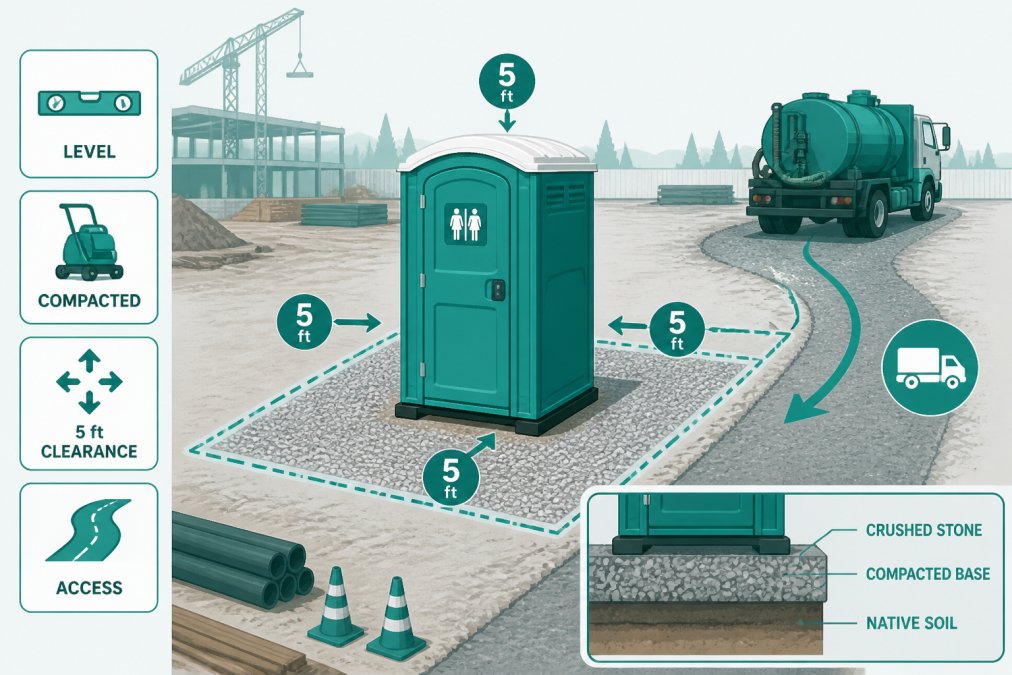
Ground Clearance and Accessibility
Level Ground is Non-Negotiable: Portable toilets must sit on level, compacted ground. Uneven surfaces cause tipping risks and damage to the unit. Soft ground, mud, sand, or recently disturbed soil won't support the weight. Compacted earth or gravel works well.
Clearance Space: Plan for at least five feet of clear space on all sides of each unit. This allows service technicians to approach from any angle and prevents users from feeling hemmed in.
Access for Service Vehicles: Your portable toilet provider needs truck access for pump-outs and restocking. A standard service truck requires a clear path at least 12 feet wide. Confirm access before placement.
Distance from Water Sources: Portable toilets should be positioned at least 50 feet from wells, springs, or other potable water sources. This protects groundwater.
Weather Exposure: Consider sun and wind exposure. Units in full sun get hotter and may need more frequent servicing in summer. Positioning units with some natural shelter improves user experience.
Visibility and Safety: Position units where they're visible to users so people can find them easily. Good lighting is essential for evening events. For large sites, directional signage helps prevent users from getting lost.
For construction sites, coordinate placement with your site supervisor. Units should be positioned away from active work zones but close enough that workers don't waste time walking. For events, place units where they're accessible to all attendees but not the visual focal point.
Understand Portable Toilet Rental Cost Estimates
Pricing for portable toilet rentals depends on the number of units, rental duration, service frequency, delivery distance, and whether you need standard or luxury options. A single unit for a weekend event costs significantly less than multiple units for a three-week project. Delivery fees vary based on distance from the provider's service area.
Service frequency is another cost driver. Weekly maintenance is standard for most rentals, but construction sites often need twice-weekly service. Luxury restroom trailers cost more than standard units but justify the expense for upscale events.
Contact Patriot Solutions directly for a quote. Provide your project details, location, duration, user count, unit type preference, and delivery date to get accurate pricing and prevent budget surprises.
Check Permit Requirements for Your Project
Permit requirements vary depending on your project type and location.
Construction Projects: Most construction sites require permits for the project itself, and sanitation facilities are part of that approval. Confirm that portable toilets are included in the permit scope.
Events: Private events on residential property usually don't require permits for portable toilets. Public events, festivals, and gatherings on public land typically do. Contact the parks department or event coordinator for specifics.
Agricultural Operations: Farm operations generally don't need permits for worker sanitation facilities, but check with your county agricultural extension office if uncertain.
Rural Properties: If your property is in an unincorporated area, county regulations apply. Delta is in Millard County, so contact the county planning department if unsure.
The safest approach is to ask your provider. A provider familiar with local requirements can advise whether your project needs permits.
Schedule Delivery and Service Frequency
Timing matters for both initial delivery and ongoing maintenance.
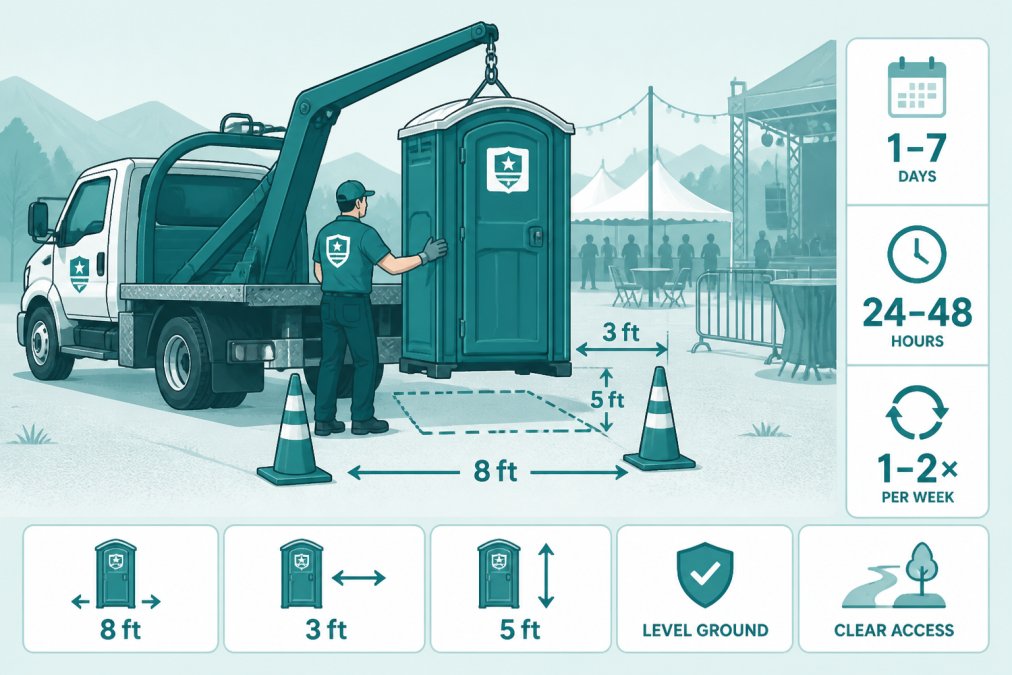
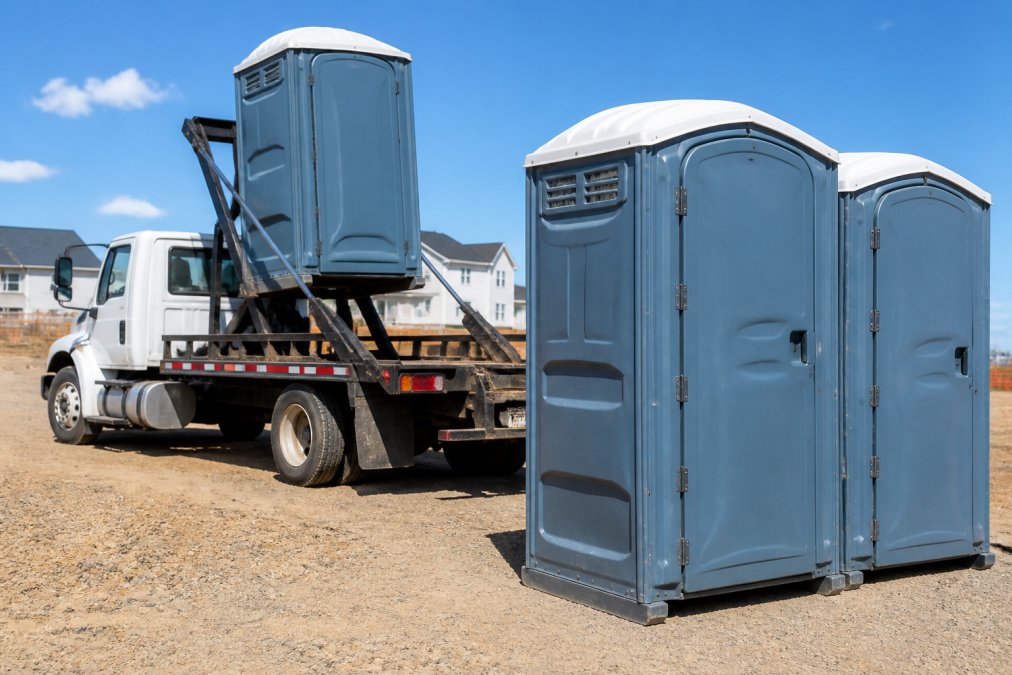
Delivery Windows: Most providers offer flexible delivery scheduling. For construction sites, delivery typically happens before work begins. For events, coordinate delivery to finish setup at least a few hours before guests arrive. Rural sites may have longer lead times, so schedule delivery earlier than you think you need to.
Service Frequency Matters: For short-term rentals (one to three days), a single service visit at the end is typical. For construction sites running a full week, weekly service is standard. Longer projects or high-usage sites benefit from twice-weekly service.
A crew of 15-20 people working eight-hour days typically needs weekly service. Larger crews or multi-shift operations need twice-weekly service. For events, the service schedule depends on duration and guest count. A single-day event with 100 people needs one pump-out before guests leave.
Agricultural operations with seasonal crews benefit from flexible scheduling. During peak season, schedule more frequent service. During slower periods, reduce frequency. Local providers like Patriot Solutions can adjust your schedule as your needs change.
Pickup Timing: Coordinate pickup timing with your provider. Make sure they know the exact end date to avoid confusion.
Choose Between Standard and Luxury Restroom Options
The choice between standard portable toilets and luxury restroom trailers depends on your budget, event type, and user expectations.
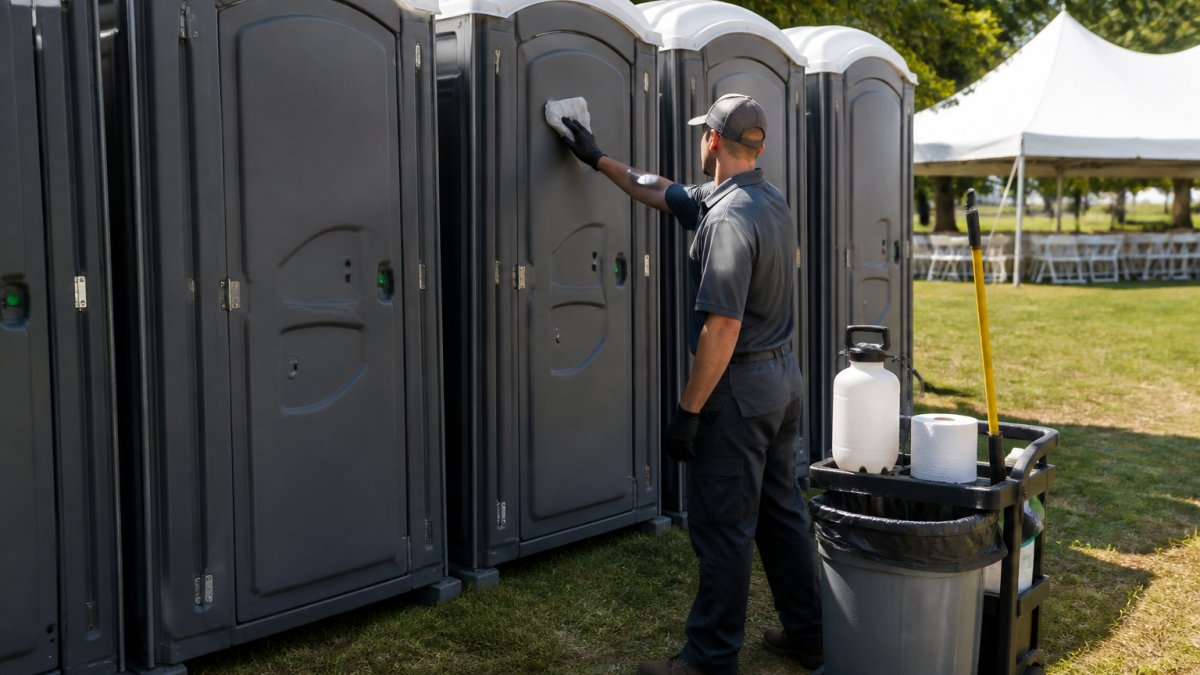
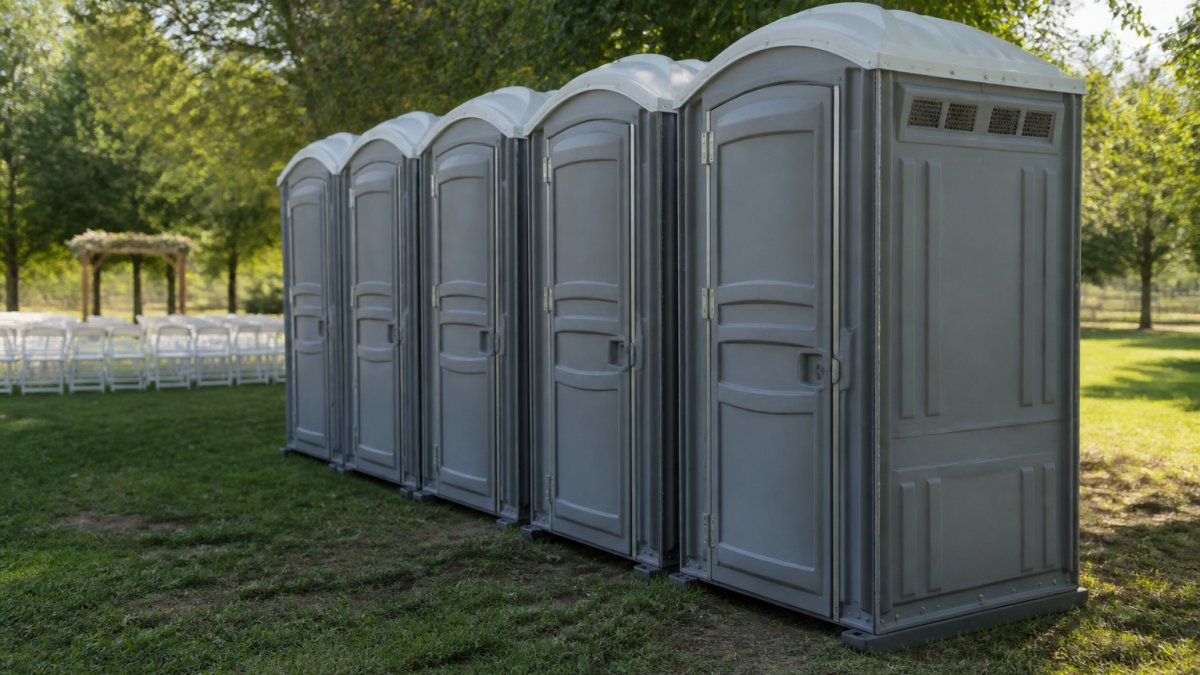
Standard Portable Toilets: These are the workhorses of the industry. A standard unit includes a toilet, urinal, and sink with hand sanitizer. They're durable, easy to service, and cost-effective. For construction sites, agricultural operations, and casual events, standard units are the right choice.
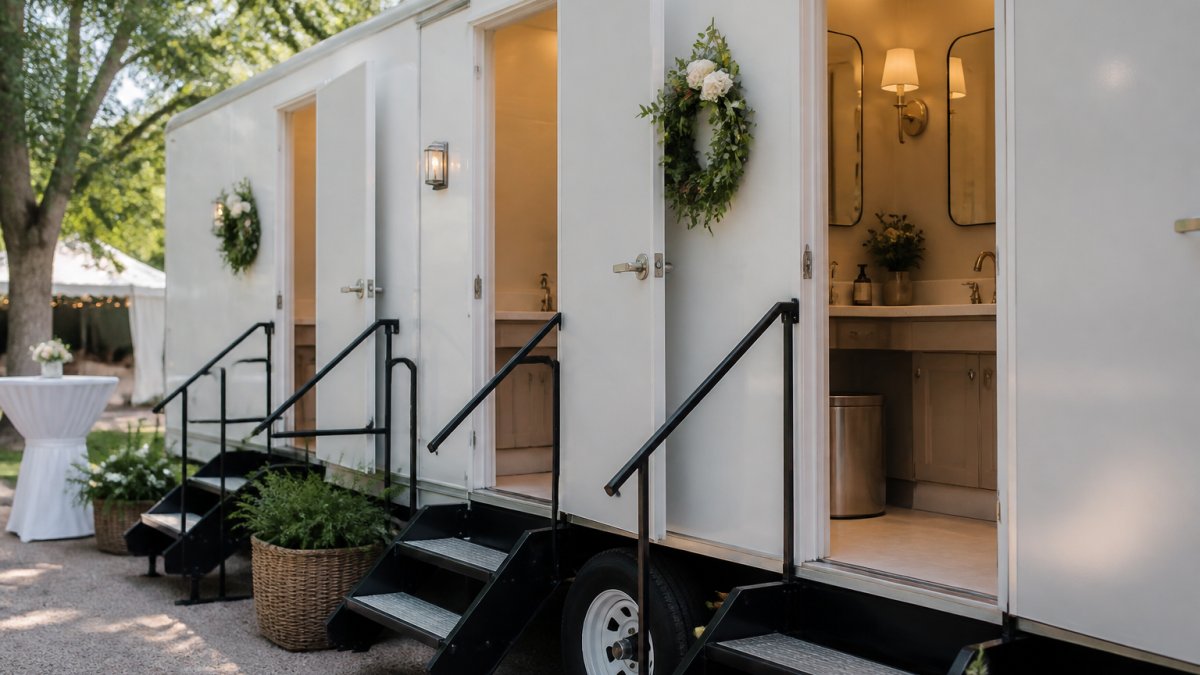
Luxury Restroom Trailers: These premium facilities are designed for upscale events. A luxury trailer might include multiple stalls, running water, flushing toilets, climate control, and interior finishes that rival permanent bathrooms. They cost significantly more but transform the attendee experience. For weddings, corporate events, and high-end gatherings where guest comfort matters, luxury trailers justify the investment.
ADA-Compliant Units: Both standard and luxury options come in ADA-compliant versions with wider doors, grab bars, and interior space for wheelchair access. If your event or site includes people with mobility challenges, ADA compliance is essential and often a legal requirement.
Patriot Solutions can help you evaluate which option best fits your specific situation and budget.
Request Your Quote and Confirm Rental Details
When you contact Patriot Solutions, have these details ready:
Project Specifics: Location, project type, start and end dates, and estimated user count.
Site Information: Ground conditions, truck access, and any special requirements.
Service Preferences: Number of units needed, preferred service frequency, and delivery time preferences.
Budget Parameters: Share your budget range if you have one.
Once you receive a quote, confirm what's included. Does the price cover delivery, pickup, and service visits? Are there additional fees for extra service calls? What's the cancellation policy if your project timeline changes?
Review the rental agreement carefully. It should specify unit type, rental period, service frequency, delivery and pickup dates, pricing, and payment terms. For long-term rentals, discuss flexibility. If your project timeline extends or usage is lighter than expected, can you adjust accordingly? Local providers like Patriot Solutions often work with you on these adjustments.
Renting portable toilets requires planning, but the process becomes straightforward once you understand your actual needs. The mistake most people make is guessing at requirements rather than calculating them based on project specifics. Patriot Solutions provides clean, reliable equipment and dependable local service to construction managers, event planners, and agricultural operations across the Delta area. Contact them for a quote tailored to your situation, and let their experience guide your decision. With the right portable toilet solution in place, you can focus on your project or event knowing sanitation is handled professionally.
Frequently Asked Questions
How many portable toilets do I need for my event?
The number depends on event size, duration, and type. A general rule: one portable toilet per 50-75 guests for events under 4 hours, or one per 30-40 guests for full-day events. Construction sites typically need one unit per 10 workers. For accurate sizing, count your expected occupancy and rental duration, then discuss capacity needs with your provider to ensure adequate sanitation and prevent long wait times.
Do I need a permit to rent a portable toilet?
Permit requirements vary by location and project type. Construction sites, commercial properties, and public events often require permits from your local city or county building department. Private residential projects may not require one, but check with your local jurisdiction first. Your rental provider can advise on local requirements and help you understand what documentation is needed before delivery.
What factors affect portable toilet rental cost estimates?
Rental costs depend on unit quantity, rental duration, delivery distance, service frequency, and unit type (standard versus luxury). Construction sites with weekly maintenance typically cost less per week than short-term event rentals. Additional services like hand sanitizing stations or ADA-compliant units also affect pricing. Contact your local provider for a detailed quote based on your specific project timeline and requirements.
How far in advance should I book a portable toilet rental?
Book at least 2-3 weeks ahead for standard rentals, especially during peak construction and event seasons. For large events or multiple units, 4-6 weeks is ideal to ensure availability and confirm delivery schedules. If you need emergency sanitation, many providers offer expedited service, but advance booking guarantees your preferred delivery date and ensures your site is ready for setup.
This article was written using GrandRanker