 how-to
How to Schedule Dumpster Pickup: Step-by-Step Guide
Table of Contents
- Understanding Your Dumpster Pickup Needs
- How to Schedule Dumpster Pickup: The Complete Process
- How to Prepare Your Site for Dumpster Pickup
- Roll-Off Dumpster Rental Duration: What to Expect
- Construction Waste Removal Requirements You Need to Know
- Common Mistakes to Avoid When Scheduling Dumpster Service
- Conclusion
Last Updated: August 19, 2026
Understanding Your Dumpster Pickup Needs
Scheduling dumpster pickup requires understanding what you're throwing away, how much space you'll need, and how long you'll need the container on-site. Most projects fail because people underestimate waste volume or misjudge rental duration, leading to rush fees and overage charges.
Are you clearing out a garage, demolishing a structure, or managing ongoing construction debris? Each scenario demands different container sizes and pickup frequencies. A single-day residential cleanout needs a different approach than a three-week renovation project.
When you contact a provider like Patriot Solutions, having this information ready accelerates the quote process and ensures you get equipment that fits your project.
How to Schedule Dumpster Pickup: The Complete Process
Scheduling dumpster pickup involves five concrete steps that move you from idea to confirmed delivery. This process typically takes 24 to 48 hours from initial contact to locked-in dates.
Step 1: Determine Your Project Scope and Waste Type
Define exactly what you're disposing of. Construction debris, household junk, yard waste, and demolition material have different handling requirements and disposal fees. Some materials are prohibited entirely: hazardous waste, appliances, electronics, and certain chemicals cannot go in standard dumpsters.
Write down your project type and list the primary materials. This clarity prevents discovering mid-project that half your materials can't go in the dumpster.
Ask yourself whether your waste includes anything on the prohibited list. Asbestos, lead paint, batteries, propane tanks, and medical waste require special handling. If you're uncertain, mention it to your provider. Patriot Solutions can advise on what's acceptable and what requires alternative disposal.
Step 2: Choose Your Dumpster Size and Rental Duration
Dumpster sizes range from 10 cubic yards for small residential projects to 40 cubic yards for major demolition work. Most residential renovations use 15 or 20 yards; construction sites often need 30 or 40.
Underestimating size is expensive. You'll either pay overage fees or rent a second container. A practical rule: if you're uncertain between two sizes, go up one size. The difference in cost is minimal compared to running out of space mid-project.
Rental duration matters equally. Standard rentals run 7 days, though most providers offer flexible terms. A quick cleanout might need 3 days; a major renovation could need 4 weeks. Extended rentals sometimes cost less per day than short-term rates.
Step 3: Contact Patriot Solutions and Request a Quote
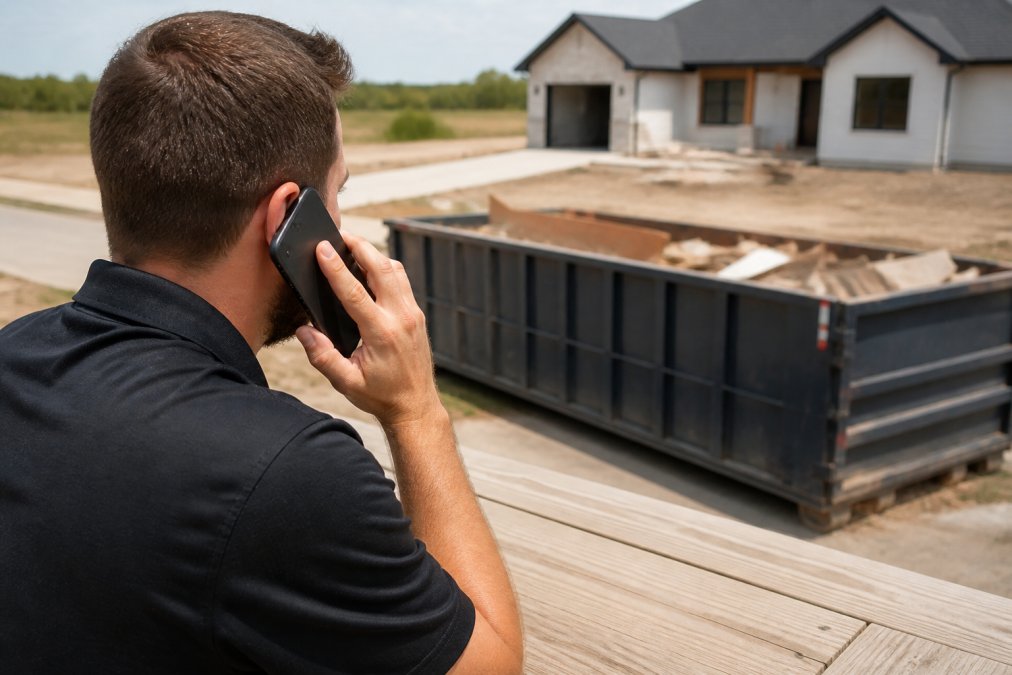
Call or visit the Patriot Solutions website with your project details: waste type, estimated volume, project location, and desired rental dates. Provide your address so they can confirm service to your area and identify any access issues.
Be specific about your timeline. "Next week sometime" is vague. Say "I need pickup Monday, September 15th through Friday, September 19th." Precision lets the provider check actual availability and hold those dates.
Ask about delivery fees, pickup fees, weight limits, and overage charges. Request a delivery window and confirm whether you need to be present during delivery and pickup.
Step 4: Confirm Delivery and Pickup Dates
Once you've agreed on terms, get written confirmation via email or text. Confirm:
- Delivery date and time window
- Dumpster size and type
- Pickup date and time window
- Total rental cost and any additional fees
- Weight limits and overage charges
- Prohibited materials list
- Contact number for questions or changes
Ask about rescheduling options. If your project runs long or finishes early, you want to know whether you can adjust pickup with reasonable notice. Patriot Solutions typically accommodates schedule changes when given advance warning.
Save the confirmation and the provider's phone number. If delivery doesn't arrive as scheduled, you need to know who to call immediately.
How to Prepare Your Site for Dumpster Pickup
Proper site preparation prevents delivery delays, protects your property, and ensures safe placement and removal. Most providers need a clear, level spot with direct access from the street.
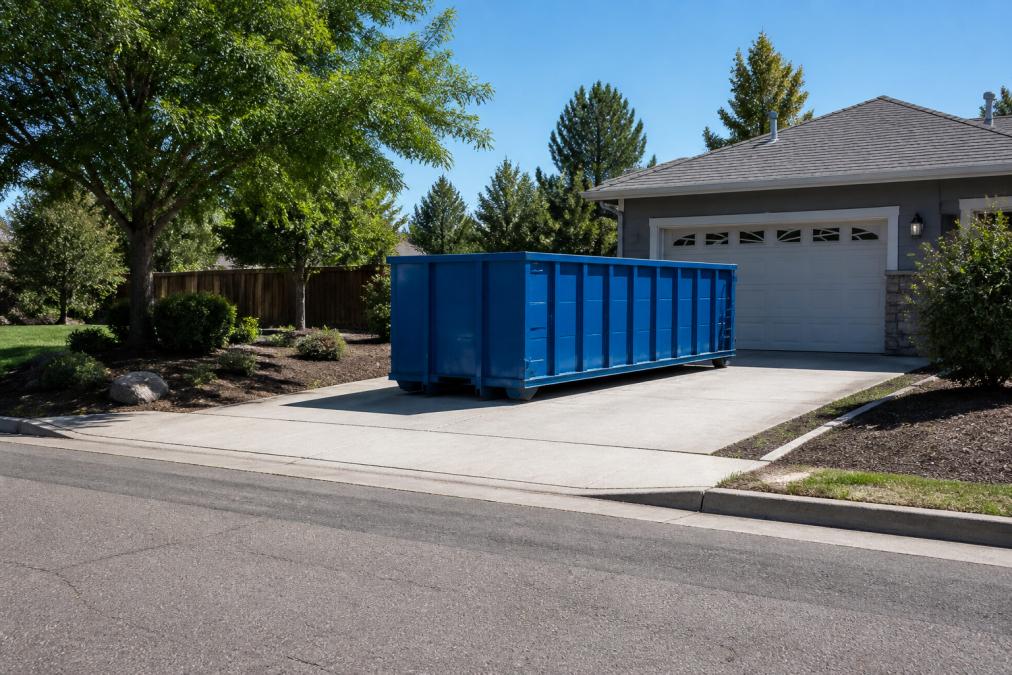
Clear the delivery area completely. Remove vehicles, debris, garden equipment, and anything else in the path. The dumpster truck needs a straight line from the street to the placement spot.
Verify ground conditions. Soft ground, gravel, or asphalt can shift under the dumpster's weight. Concrete or compacted earth is ideal. If your site has soft ground, ask whether plywood or gravel boards are needed.
Mark the placement spot clearly with chalk, spray paint, or cones. Check overhead clearances for branches, power lines, or low roofs that could interfere with placement or removal.
Ensure access for pickup. The same clear path needed for delivery is needed for removal. Don't pile materials around the dumpster or block access from the street.
Roll-Off Dumpster Rental Duration: What to Expect
Standard rental periods are 7 days, which works for most residential cleanouts and small demolition projects. If your project takes longer, you can extend the rental by paying an additional weekly rate.
Long-term rentals for ongoing construction often cost less per day than short-term rates. Ask about monthly or extended-term pricing when you call for a quote.
Early returns typically don't generate refunds. If you finish in 4 days but rented for 7, you pay the full 7-day rate. Some providers offer early-pickup discounts. Conversely, if you need the dumpster longer than planned, late fees apply as additional daily rates.
Seasonal demand affects availability. Spring and summer see higher rental volume, so booking in advance is wise. Winter typically has more availability and sometimes lower rates.
Construction Waste Removal Requirements You Need to Know
Construction waste includes materials that standard residential dumpsters cannot accept. Understanding what's allowed and what's prohibited prevents costly mistakes.
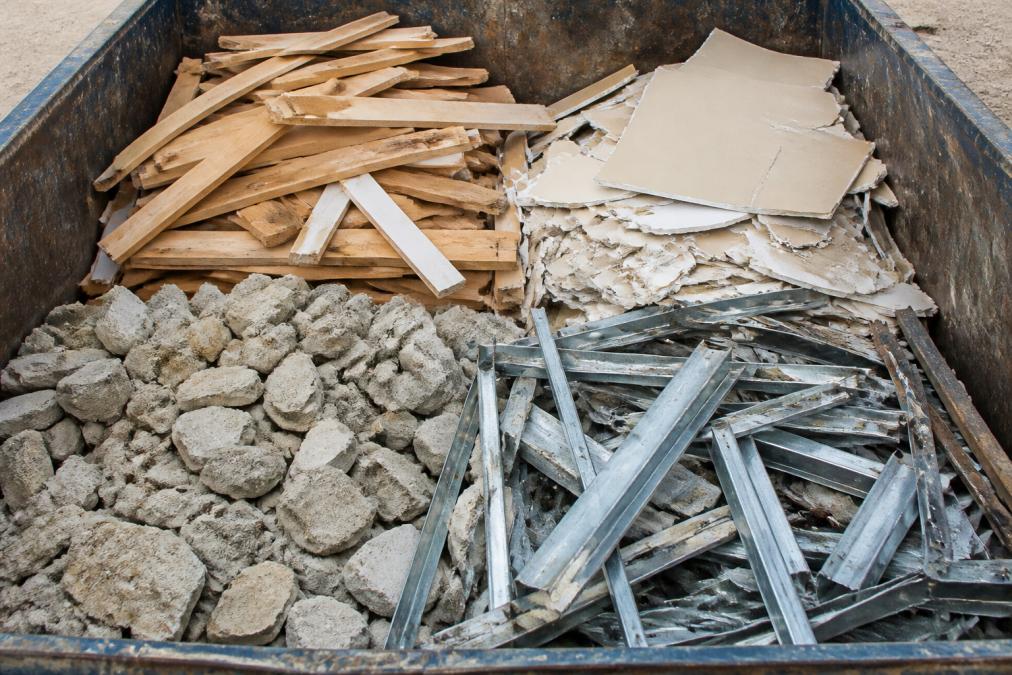
Acceptable construction waste typically includes:
- Dimensional lumber and wood scraps
- Drywall and plaster
- Concrete and masonry
- Metal framing and fixtures
- Roofing materials
- Insulation and fiberglass
- Tile and flooring materials
- Brick and stone
- General mixed demolition debris
Prohibited materials include:
- Asbestos and asbestos-containing materials
- Lead paint and lead-contaminated debris
- Hazardous chemicals, solvents, and paint
- Batteries and electronics
- Appliances
- Propane tanks and pressurized containers
- Medical waste
- Tires
- Yard waste and soil
Weight limits vary by dumpster size and local regulations. A 20-yard dumpster typically holds 2 to 3 tons before incurring overage charges. Concrete and masonry are heavy; a dumpster filled with these materials reaches weight limits faster than one filled with wood or drywall.
Some materials require special handling. Patriot Solutions can advise on proper disposal routes for materials outside standard dumpster acceptance.
Document what you're throwing away by photographing the dumpster contents before pickup. This protects you if questions arise about prohibited materials or weight overages.
Common Mistakes to Avoid When Scheduling Dumpster Service
Most scheduling problems stem from preventable mistakes made during the initial booking or site preparation phases.
Underestimating waste volume is the most expensive error. Add 25 percent to your initial volume estimate as a safety margin.
Miscalculating rental duration creates similar problems. Pad your initial estimate by at least one week.
Failing to clear the delivery area causes delivery refusals. Parked cars, stored materials, or obstacles force rescheduling and additional fees. Clear the space completely before the scheduled delivery date.
Not confirming access and ground conditions leads to placement problems. Confirm these details with the provider before delivery day.
Mixing prohibited materials with acceptable waste creates disposal problems. Separate prohibited materials before they go in the dumpster.
Ignoring weight limits generates unexpected overage charges. Ask about weight allowances and plan accordingly.
Blocking the dumpster during the rental period is the most common cause of missed pickups. Keep the dumpster accessible from the street at all times.
Assuming all providers service your area wastes time. Rural locations may have limited provider coverage. Confirm service area availability when you call. Patriot Solutions covers the Delta area and surrounding communities, but confirm your specific address is within their service zone.
Not asking about prohibited materials before renting creates disposal headaches. Clarify the complete prohibited list when you schedule, especially for renovation or demolition projects.
Scheduling dumpster pickup doesn't require guesswork. You need accurate project assessment, the right container size, realistic rental duration, and clear communication with your provider. Patriot Solutions specializes in roll-off dumpster rentals and sanitation services throughout the Delta area, offering clean equipment, fast delivery, and dependable local service. When you're ready to schedule, contact Patriot Solutions with your project details, and their team will guide you through the process with the reliability and responsibility your project deserves.
| Common Scheduling Mistake | How to Avoid It | Impact of Missing It |
|---|---|---|
| Underestimating waste volume | Add 25% to initial estimate | Overage fees or emergency second rental |
| Miscalculating rental duration | Pad timeline by one week | Late fees accumulate daily |
| Failing to clear delivery area | Remove all obstacles before delivery | Delivery refusal and rescheduling |
| Not confirming ground conditions | Inspect site and discuss with provider | Unsafe placement or access problems |
| Mixing prohibited materials | Separate hazardous items beforehand | Dumpster rejection or disposal fines |
| Ignoring weight limits | Ask about allowances and plan accordingly | Unexpected overage charges |
| Blocking the dumpster | Keep container accessible from street | Missed pickups and rescheduling fees |
Frequently Asked Questions
How far in advance should I schedule dumpster pickup?
Schedule your dumpster pickup as early as possible, ideally 1-2 weeks before you need delivery. This ensures Patriot Solutions can accommodate your project timeline and confirm your preferred dates. For urgent projects, contact us directly to discuss same-day or next-day availability. Advance scheduling also gives you time to plan your waste removal strategy and prepare your site properly.
What information do I need to provide when scheduling dumpster pickup?
Have ready: your project address, project type (renovation, construction, demolition, event cleanup), estimated waste volume, project start and end dates, dumpster size preference, and any special requirements. If you're unsure about size or duration, describe your project and Patriot Solutions can recommend the right roll-off dumpster rental duration for your needs. This information helps ensure accurate scheduling and prevents service delays.
Can I reschedule my dumpster pickup date if my project timeline changes?
Yes. Contact Patriot Solutions as soon as your dates change to reschedule. The sooner you notify us, the easier it is to adjust your service agreement. Changing your pickup date is typically straightforward, but early notice prevents conflicts with other scheduled pickups and ensures we can meet your new timeline.
What happens if my dumpster is overfilled during pickup?
Overfilled dumpsters cannot be safely transported and may violate weight limits and prohibited materials regulations. Before your scheduled pickup, load only to the fill line and remove any hazardous waste or restricted items. If you're uncertain whether your load complies, contact Patriot Solutions before pickup day. Proper loading prevents delays, extra fees, and ensures safe waste hauling.
This article was written using GrandRanker