 how-to
Portable Toilet Rental for 75 Person Event: Complete Guide
Table of Contents
- How Many Porta Potties for 75 Guests
- Factors Influencing Your Portable Restroom Requirements
- Portable Toilet Placement Best Practices
- Understanding Portable Toilet Rental Cost Calculator Factors
- Planning for Waste Management and Environmental Responsibility
- Permitting and Local Regulations You Need to Know
- Emergency Contingency Planning for Your Event
- Conclusion
Last Updated: August 24, 2026
How Many Porta Potties for 75 Guests
Planning sanitation for a 75-person event requires balancing guest comfort with practical logistics. The standard industry guideline is one portable restroom unit for every 50 to 75 guests, meaning your gathering typically needs one to two units (the CDC). This baseline shifts based on event type, duration, and specific circumstances.
For a portable toilet rental for 75 person event, most planners start with a single premium unit or two standard units. A single high-capacity restroom trailer serves 75 people comfortably over a 4-hour event. If your gathering stretches longer or includes alcohol service, a second unit becomes essential to prevent lines and maintain guest satisfaction.
Real-world factors complicate the math. A 2-hour cocktail reception has different demands than an all-day outdoor festival. Gender distribution matters too, mixed-gender events may benefit from an extra unit because women typically require more time per visit.
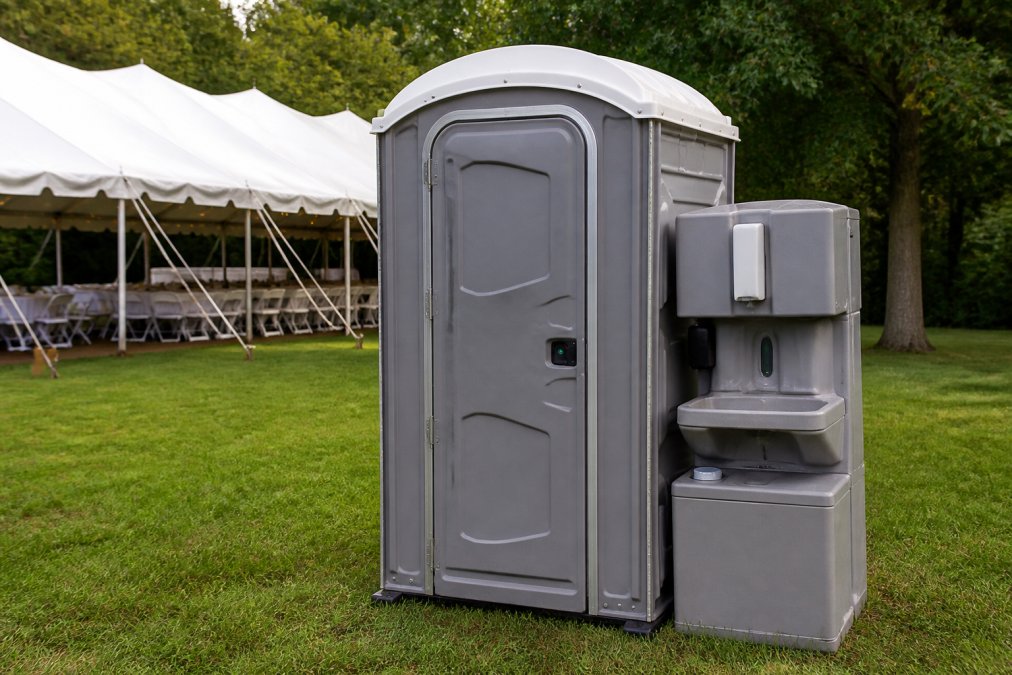
Standard Capacity Guidelines
A standard portable restroom unit accommodates approximately 50 to 75 people during a typical 4 to 6-hour event (the CDC). For your 75-person event, one unit works if guests have staggered bathroom breaks. Receptions, ceremonies, and formal dinners create natural rhythm where people don't all need facilities simultaneously.
A portable toilet rental for 75 person event typically includes a standard unit with a flushing toilet, urinal, and handwashing station. These basic models hold waste for 40 to 50 uses before requiring service. Premium units have larger holding tanks and enhanced features like climate control or higher-end fixtures.
Event Type and Duration Adjustments
Event type dramatically changes your sanitation needs. A formal seated dinner with controlled timing requires less capacity than a festival with continuous foot traffic. Duration matters equally, a 2-hour event versus an 8-hour event changes everything about waste management and guest experience.
Alcohol service increases restroom usage by 20 to 40 percent (peer-reviewed research). If your 75-person event includes an open bar, budget for a second unit or upgrade to a larger capacity system.
Outdoor events in warm weather also drive higher usage. Heat increases thirst and perspiration, leading to more frequent bathroom needs. A summer garden wedding with 75 guests may need different capacity than a winter indoor gathering of the same size.
Wedding receptions typically require one unit per 75 guests for events under 6 hours. Construction sites, agricultural operations, and corporate events have different demand patterns based on workforce size and shift schedules.
Factors Influencing Your Portable Restroom Requirements
Beyond the basic 75-person calculation, several factors determine whether one unit suffices or whether you need additional capacity.
Event Duration and Guest Flow
A 2-hour event generates fundamentally different demands than a 6-hour gathering. Bathroom usage peaks immediately after ceremonies or program breaks when guests transition between locations. If your 75-person event includes a formal program with clear breaks, usage concentrates at those transition points.
Events with staggered activities, ceremony, cocktail hour, dinner, dancing, distribute bathroom demand more evenly than single-activity events, reducing the risk of long lines and guest frustration.
Weather conditions influence duration-related factors too. A cold outdoor event may be shorter than planned as guests seek shelter. A comfortable evening might extend longer as guests linger. Plan for your realistic event duration, not your ideal duration.
Types of Portable Restroom Units Available
Understanding the range of options helps you match equipment to your specific needs.
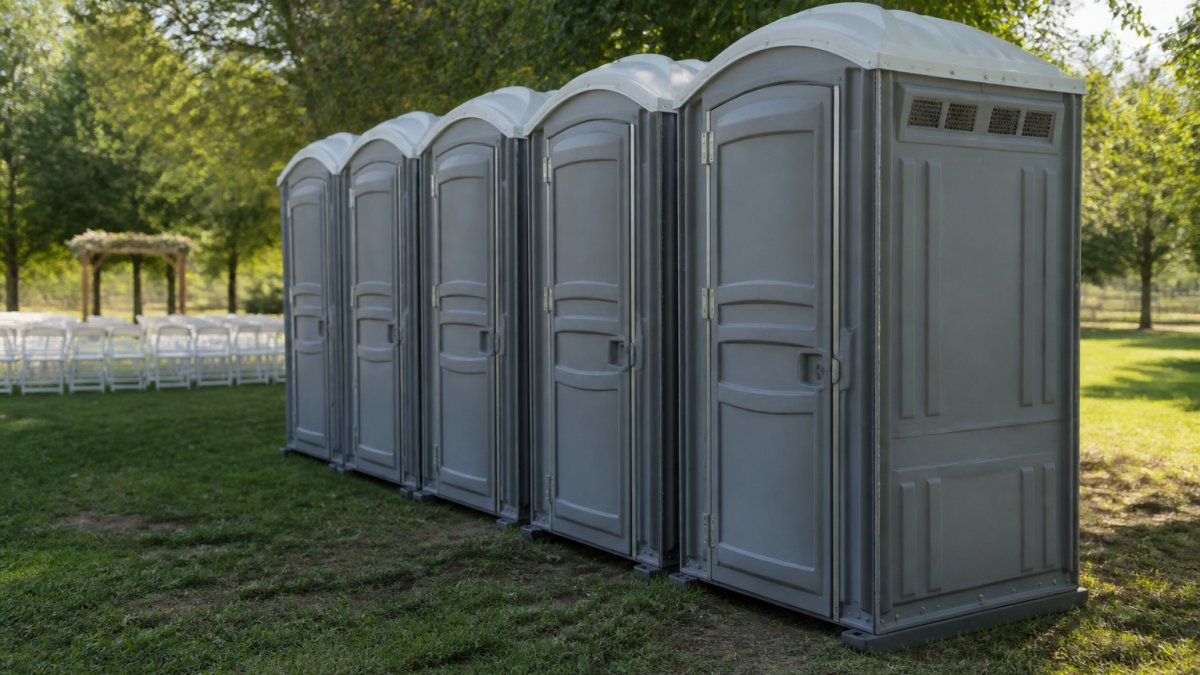
Standard portable restroom units are single-occupancy enclosed structures with a flushing toilet, urinal, and handwashing station. They're compact, easy to transport, and affordable. For a 75-person event lasting 4 to 6 hours, one standard unit handles moderate-to-steady usage.
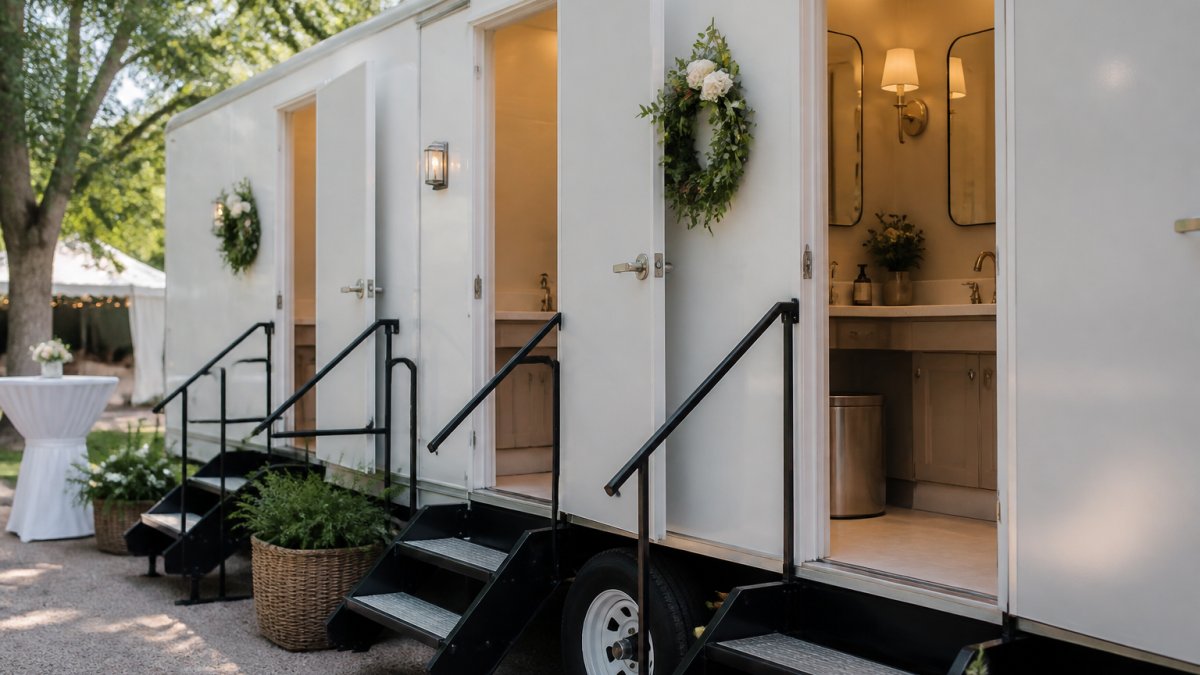
Luxury restroom trailers are multi-stall facilities with climate control, lighting, and plumbing that mimics indoor bathrooms. These are ideal for upscale events or situations where guest experience is paramount. A single luxury trailer can service 75 people comfortably even during longer events.
Handicap-accessible units meet ADA compliance standards with grab bars, wider doors, and level entry. For a 75-person event, you may need one accessible unit in addition to standard units, depending on your guest demographics and legal requirements.
Handwashing stations are standalone units with sinks, soap, and paper towels. While not restrooms themselves, they're essential for hygiene and often required by health codes for food service events.
ADA Compliance and Accessibility Requirements
The Americans with Disabilities Act requires events to provide accessible restroom facilities for guests with disabilities. For a 75-person event, ADA compliance is a legal requirement.
A single accessible portable restroom unit meets ADA standards if your event has no more than 150 total guests. The accessible unit must have a level entry, grab bars, adequate interior space for wheelchair maneuvering, and accessible handwashing.
Placement matters for accessibility. An ADA-compliant unit must be positioned on level ground with a clear path from the main gathering area. Avoid placing accessible units far from the event center or on uneven terrain.
Portable Toilet Placement Best Practices
Where you position portable restrooms significantly impacts guest experience, sanitation effectiveness, and event flow.
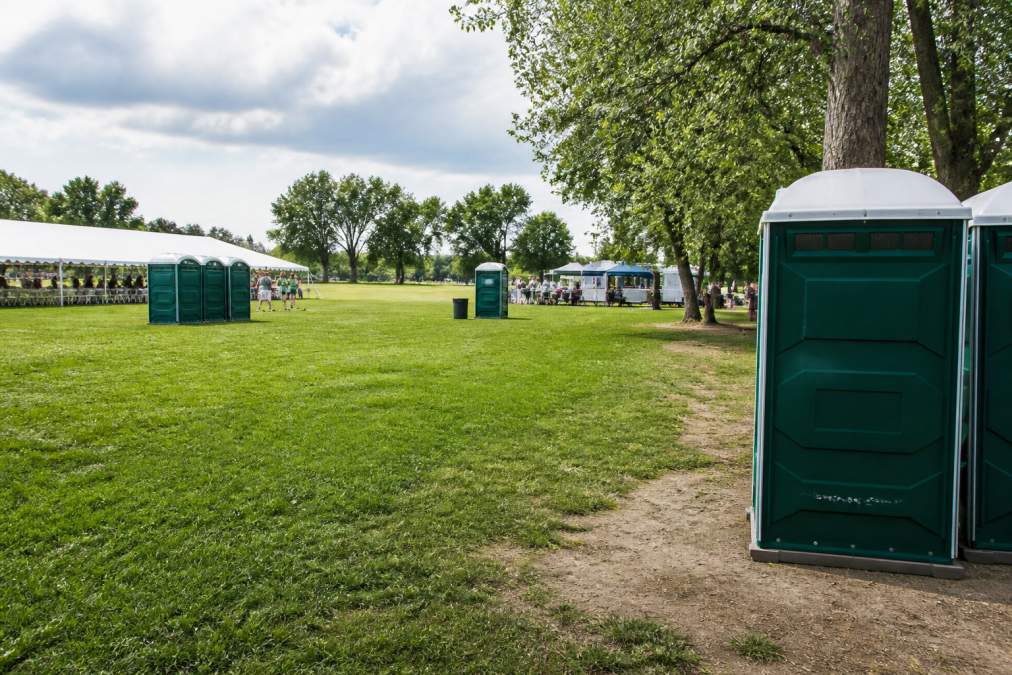
Distance from activity centers is the primary consideration. Portable restrooms should be 50 to 100 feet from main gathering areas, food service, and seating. This distance prevents odor complaints while keeping facilities accessible.
Visibility and signage guide guests to facilities and reduce confusion. Clear directional signs posted near the entrance and throughout the event space help guests locate portable restrooms without asking. Illuminated signage becomes critical for evening events.
Ground conditions affect both placement and function. Level ground ensures portable restrooms sit securely and operate properly. Soft ground, slopes, or muddy areas create instability.
Privacy and screening matter for guest comfort. Portable restrooms shouldn't be positioned in direct view of main seating areas or ceremony locations. Natural landscaping, temporary fencing, or strategic placement behind structures provides visual privacy.
Accessibility routes must be clear and level. Guests using wheelchairs, walkers, or canes need unobstructed paths to accessible units.
Hygiene and Sanitation Protocols
Cleanliness directly impacts guest perception and health.
Pre-event inspection ensures equipment arrives clean and functional. Request delivery several hours before guests arrive so you can verify condition. Check that toilets flush properly, handwashing stations have soap and paper towels, and interiors are spotless.
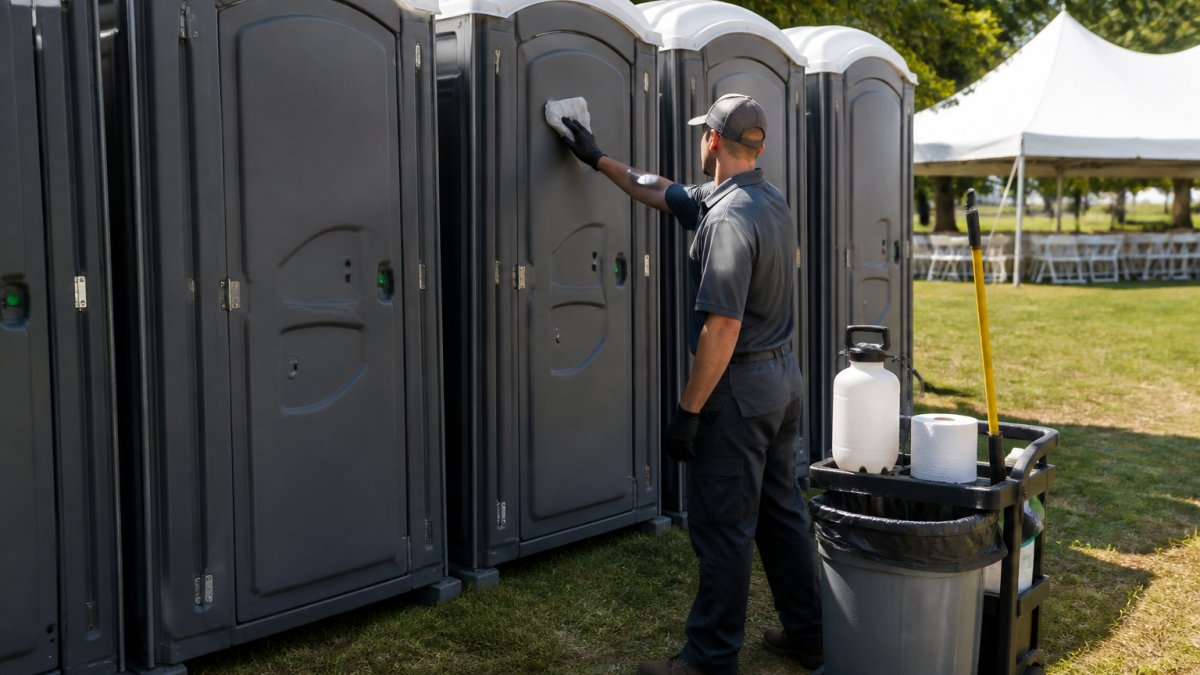
During-event maintenance is essential for events over 4 hours. Assign someone to monitor facilities every 1 to 2 hours. Restock supplies, wipe down surfaces, and address any issues immediately.
Waste disposal protocols depend on your portable restroom provider. Most companies empty tanks after the event. Confirm pickup timing and ensure someone will be available to grant access.
Hand hygiene stations reduce disease transmission. Ensure handwashing stations have adequate soap, paper towels, and water. For food service events, proper hand hygiene is both a health code requirement and a guest safety issue.
Odor control maintains comfort and dignity. Quality portable restroom units include ventilation systems that minimize odors. Some providers add enzymatic treatments to holding tanks to reduce smell.
Understanding Portable Toilet Rental Cost Calculator Factors
Pricing for a portable toilet rental for 75 person event depends on multiple variables beyond just the number of units.
What Affects Your Rental Quote
Unit type is the primary cost driver. A standard portable restroom costs less than a luxury restroom trailer. Accessible units may cost slightly more than standard models.
Rental duration affects total cost. Most companies charge daily or weekly rates. A 1-day event costs less than a 3-day event.
Delivery and pickup logistics add to your quote. Distance from the rental company's location influences delivery fees. Rush delivery for last-minute events typically costs more.
Additional services like handwashing stations, maintenance visits, or mid-event servicing increase costs.
Seasonal demand affects pricing. Summer months see higher demand for portable restroom rentals, which can increase prices. Winter or off-season events may qualify for lower rates.
Site conditions matter too. Difficult terrain, poor road access, or challenging placement may require specialized equipment or additional labor.
Request a detailed breakdown rather than accepting a single number.
Delivery, Setup, and Pickup Logistics
Logistics represent a significant portion of your rental cost and directly impact your event timeline.
Delivery timing should align with your event preparation schedule. Most providers deliver 1 to 3 days before your event. For a 75-person event, delivery typically takes 15 to 30 minutes.
Setup requirements vary by unit type. Standard portable restrooms need level ground and access for the delivery vehicle. Luxury restroom trailers may require electrical hookups if they include climate control or lighting.
Placement coordination requires communication between your team and the delivery crew. Identify exactly where you want each unit positioned before delivery day.
Pickup scheduling should be confirmed at booking. Most providers pick up within 24 hours after your event ends. Late pickups may incur additional fees.
Damage and overage charges are common cost surprises. Understand your provider's policies on damage liability and waste overage before signing an agreement.
Planning for Waste Management and Environmental Responsibility
Portable restroom waste requires proper handling to protect public health and the environment.
Waste from portable restrooms is classified as human waste, which must be disposed of at licensed treatment facilities. Your rental provider handles this disposal as part of their service.
Tank capacity determines how often units need servicing. A standard portable restroom holds waste from 40 to 50 uses. For a 75-person event, one unit can serve your entire gathering without mid-event servicing if usage stays moderate.
Septic system protection is crucial if your event site has a septic system. Never connect portable restrooms to residential septic systems. Keep portable units separate and let your rental provider manage waste disposal independently.
Environmental impact extends beyond proper disposal. Portable restroom companies increasingly use biodegradable cleaning products and efficient water systems to minimize environmental footprint.
Recycling and waste reduction apply to the entire event. Coordinate portable restroom placement with your overall waste management plan.
Permitting and Local Regulations You Need to Know
Local regulations govern portable restroom placement, capacity requirements, and waste disposal.
Health department requirements vary by jurisdiction but typically include minimum restroom capacity based on guest count. Most jurisdictions require one restroom per 50 to 100 guests, aligning with industry standards.
Building permits may be required if you're installing permanent or semi-permanent structures. Temporary portable restrooms usually don't require permits, but confirm this with your local building department.
Zoning restrictions affect where you can place portable restrooms. Some residential areas restrict commercial equipment placement.
Accessibility compliance is governed by the ADA, which applies to all public accommodations and events open to the public. Your event must provide accessible restroom facilities.
Wastewater discharge regulations govern how waste is disposed. Your rental provider must be licensed and follow state and federal regulations for waste transportation and treatment.
Contact your local health department and building department before finalizing your event plans. They can confirm specific requirements for your location and event type.
Emergency Contingency Planning for Your Event
Despite careful planning, unexpected situations arise. Having contingency plans ensures your event continues smoothly.
Equipment failure is rare but possible. Discuss contingency procedures with your rental provider. Ask whether they offer emergency replacement service if a unit fails during your event.
Higher-than-expected usage can overwhelm capacity. Build flexibility into your plan and have contact information for your rental provider readily available so you can request additional units quickly if needed.
Weather complications affect placement and accessibility. Heavy rain creates muddy ground that makes wheelchair access difficult. Plan for weather contingencies during your site setup.
Supply shortages like soap or paper towels can develop during longer events. Confirm that your rental provider will restock supplies if needed.
Accessibility issues may emerge once guests arrive. Have flexibility to adjust if your accessible unit placement isn't working for guests with specific mobility needs.
Communication failures between your team and the rental provider create problems. Establish clear contact procedures and ensure multiple team members have provider contact information.
Patriot Solutions prioritizes reliability and dependable local service, which means we're available if issues arise. When you partner with a provider committed to your event's success, contingency planning becomes less stressful.
Planning a portable toilet rental for 75 person event requires balancing capacity, placement, and logistics to ensure guest comfort and regulatory compliance. The standard approach, one unit per 50 to 75 guests, provides a reliable starting point, but event type, duration, and specific circumstances often justify upgrading to additional units or premium facilities. When you work with Patriot Solutions, our team handles the complexity of delivery, setup, waste management, and compliance, allowing you to focus on your event. Contact us for a transparent quote that details exactly what you'll need for your 75-person gathering, and let our dependable local service ensure your sanitation infrastructure supports a successful event.
Frequently Asked Questions
How many portable toilets do I need for a 75-person event?
For a 75-person event, plan on 2-3 portable restroom units as a baseline. The exact number depends on event duration, type, and guest demographics. A 4-hour cocktail event may need only 2 units, while an 8-hour wedding reception with alcohol service typically requires 3 units to maintain reasonable wait times. Consider adding an extra unit if your guest list includes elderly attendees or families with young children, as they may need more frequent access.
What factors influence how many porta potties for 75 guests I should rent?
Event type, duration, temperature, and guest behavior all matter. Outdoor summer events see higher usage than indoor winter events. Weddings and festivals with alcohol service require more units than professional conferences. Guest age and gender ratio also affect demand, events with more women typically need additional units due to longer individual usage times. Duration is critical: a 2-hour event needs fewer units than a full-day gathering. Always add 1 extra unit as a buffer for high-traffic periods.
How does a portable toilet rental cost calculator work?
A rental cost calculator factors in unit quantity, rental duration (days or weeks), delivery distance, setup and pickup services, and any add-ons like handwashing stations or restroom trailers. Pricing depends on your specific location, the season, and current availability. Contact Patriot Solutions for a customized quote based on your exact event details, pricing varies significantly based on these variables, so an online calculator can only provide estimates. Request a detailed breakdown to understand what each cost component covers.
What's the difference between standard porta potties and luxury restroom trailers for a 75-person event?
Standard portable restroom units are cost-effective, reliable, and suitable for most events. Luxury restroom trailers offer features like flushing toilets, running water, climate control, and upscale finishes, ideal for formal weddings, corporate events, or situations where guest comfort is a priority. For a 75-person backyard wedding or upscale gathering, one luxury trailer paired with 1-2 standard units often provides the best balance of comfort and cost efficiency. Standard units work well for construction sites, casual outdoor events, and festivals.
This article was written using GrandRanker