 listicle
Roll Off Dumpster Rental Pricing: A 2026 Guide
Table of Contents
- Roll Off Dumpster Rental: What You're Actually Paying For
- Average Cost of Dumpster Rental: What Drives the Number
- Roll Off Dumpster Sizes Guide: Choosing the Right Cubic Yard Capacity
- Prohibited Items in Dumpster Rentals: What Cannot Be Thrown Away
- Weight Limits, Overage Fees, and Tonnage Allowances
- Permit Requirements, Curbside Placement, and Driveway Protection
- How to Request a Roll Off Dumpster Rental Quote
- Conclusion
Last Updated: August 16, 2026
Roll Off Dumpster Rental: What You're Actually Paying For
A roll off dumpster rental is an open-top waste container delivered to your project site, loaded with debris, and hauled away by the provider when your job is done. Most people assume the price is just a delivery fee. It isn't. What you're actually paying for is a bundle: the container itself, delivery and pickup labor, a set tonnage allowance, and disposal fees paid to the transfer station or landfill at the end of the haul.
At Patriot Solutions, we work with homeowners, contractors, and commercial clients across the Delta area, and the number one source of billing confusion is that customers don't realize the disposal component often drives the total cost more than the container size does.
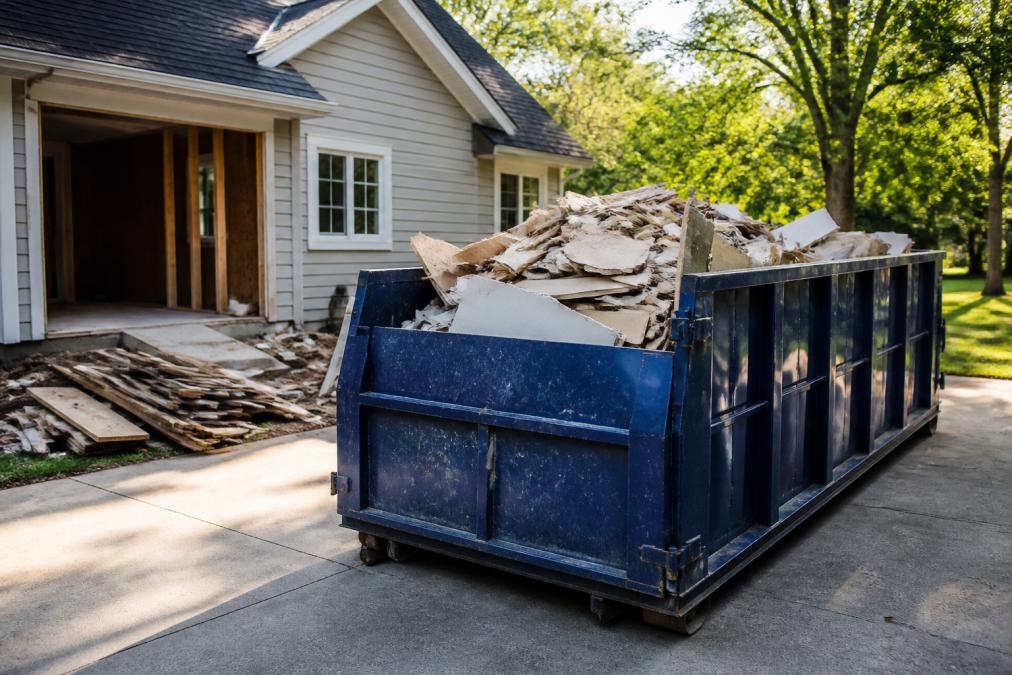
Understanding what's inside the price before you sign a rental agreement saves you from overage charges and scheduling headaches.
Flat-Rate vs. Variable Pricing Structures
Most providers use one of two pricing models. Flat-rate pricing bundles the container, delivery, pickup, and a set weight allowance into a single quoted number. Variable pricing separates each component, so your final invoice reflects actual tonnage, actual rental days, and any add-on fees. Flat-rate pricing is easier to budget for. Variable pricing can cost less if your project runs light on debris, but it carries more financial risk if your load runs heavy.
Rental Duration and Scheduling
Standard roll off dumpster rental periods typically run seven to fourteen days, though providers vary on this. Extensions are usually available for a daily or weekly fee. The practical risk: many customers underestimate how long their project will take and end up paying extension fees that could have been avoided with a longer initial rental. Schedule the drop-off date as close to your project start as possible, and build in a buffer day before pickup. Last-minute scheduling changes can conflict with a provider's delivery route and delay your project.
Average Cost of Dumpster Rental: What Drives the Number
The average cost of dumpster rental varies significantly based on container size, rental duration, your location, and what you're throwing away. No single national figure applies universally. What you can count on is that every quote reflects at least three underlying cost drivers: landfill tipping fees, haul distance, and tonnage.
Pricing for roll off dumpster rental is not something Patriot Solutions publishes as a flat rate online, because the honest answer is that your project's specifics determine the number. Requesting a direct quote is the only way to get an accurate figure for your job.
Landfill Tipping Fees and Disposal Costs
Landfill tipping fees are the per-ton charges that transfer stations and landfills bill waste haulers for depositing material. These fees vary by county, the type of waste, and current landfill capacity. According to EPA's municipal solid waste landfill cost data, tipping fees across the country range widely depending on region and facility type, which means two identical dumpster rentals in different counties can carry meaningfully different disposal costs.
When a provider quotes you a roll off dumpster rental price, their tipping fee exposure is baked into that number. If your debris turns out to be heavier than anticipated, the provider's actual disposal cost rises, and that difference comes back to you as an overage charge. This is why weight limits matter more than most customers realize.
Seasonal Pricing Fluctuations
Dumpster rental demand follows predictable seasonal patterns. Spring and early summer see the highest volume, driven by home renovation projects, post-winter cleanouts, and construction season ramp-up. Fall generates another spike as homeowners finish exterior projects before cold weather. Winter is typically the slowest period, and some providers offer more flexible scheduling or competitive pricing during that window.
For projects with flexible timelines, scheduling a roll off dumpster rental outside peak season can improve both availability and cost. For time-sensitive jobs, book as early as possible to secure your preferred drop-off date.
Roll Off Dumpster Sizes Guide: Choosing the Right Cubic Yard Capacity
Choosing the wrong container size is one of the most common and costly mistakes in a dumpster rental. Too small, and you're paying for a second haul. Too large, and you're paying for capacity you didn't use. The right cubic yard capacity depends on your project type, your debris density, and whether you're mixing material types.
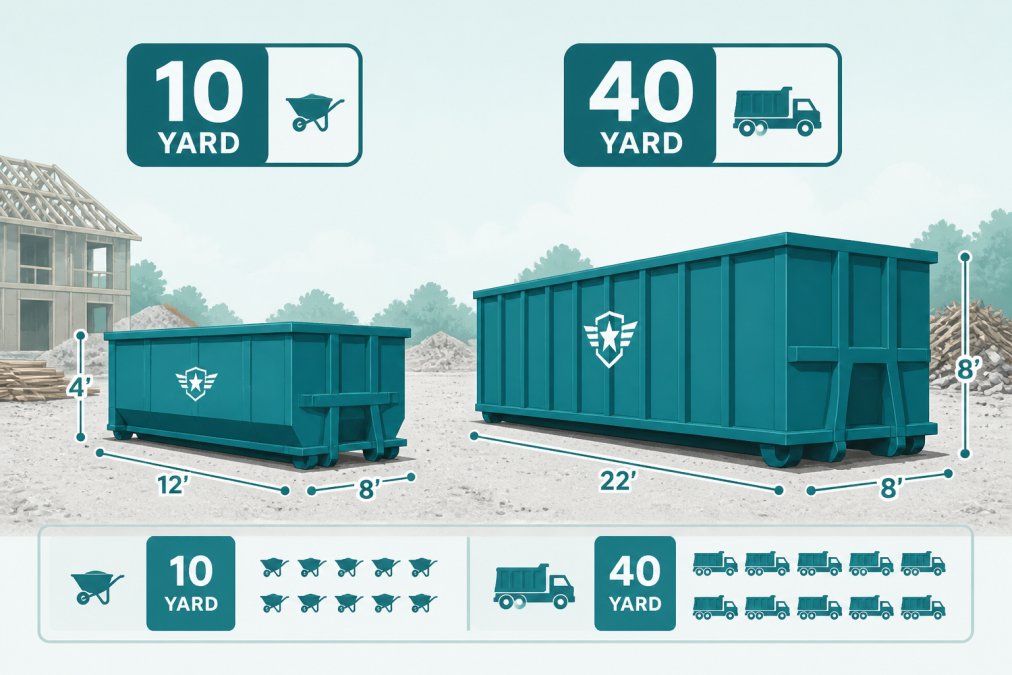
Here's a practical breakdown of standard roll off dumpster sizes:
| Container Size | Approximate Dimensions | Best For | Typical Load |
|---|---|---|---|
| 10 cubic yards | 12 ft x 8 ft x 3.5 ft | Small cleanouts, single-room renovations | 3-4 pickup truck loads |
| 20 cubic yards | 22 ft x 8 ft x 4.5 ft | Medium renovations, deck removal, roofing | 6-8 pickup truck loads |
| 30 cubic yards | 22 ft x 8 ft x 6 ft | Large home cleanouts, multi-room remodels | 9-12 pickup truck loads |
| 40 cubic yards | 22 ft x 8 ft x 8 ft | Commercial projects, major demolition | 12-16 pickup truck loads |
Residential Cleanouts vs. Construction and Demolition Projects
Residential cleanouts, estate cleanouts, and garage purges typically generate lighter, bulkier debris: furniture, boxes, carpet, and general household junk. A 10 or 20 cubic yard container handles most of these jobs without issue.
Construction and demolition projects are a different category entirely. Concrete, roofing shingles, drywall, and tile are dense materials that hit weight limits fast. A 20-yard container loaded with concrete can exceed its tonnage allowance before it's visually full. For heavy demolition debris, choosing a smaller container and staying within the weight limit often costs less than renting a large container and paying overage fees on the excess tonnage.
Prohibited Items in Dumpster Rentals: What Cannot Be Thrown Away
Prohibited items in dumpster rentals are materials that cannot legally or safely be disposed of in a standard roll off container. The list is not arbitrary. It reflects federal, state, and local regulations governing waste disposal, and violations can expose both the customer and the hauler to significant liability.
The following categories are prohibited in virtually all residential and commercial roll off dumpster rentals:
- Hazardous materials: paints, solvents, oils, pesticides, and chemicals
- Electronic waste: televisions, computers, and monitors (covered under e-waste regulations)
- Tires: most landfills charge separately or refuse tires entirely
- Appliances containing refrigerants: refrigerators, air conditioners, and freezers
- Batteries: both lead-acid and lithium-ion types
- Medical or biohazardous waste: sharps, medical supplies, and contaminated materials
- Asbestos-containing materials: requires licensed abatement and separate disposal
- Propane tanks and pressurized cylinders
According to EPA guidelines on household hazardous waste disposal, hazardous household materials require separate disposal through designated collection programs, not standard waste streams.
The practical consequence of tossing a prohibited item is straightforward: the load gets rejected at the landfill, returned to you, and you pay for a second haul. Patriot Solutions walks customers through what can and cannot go in the container at the time of booking.
Weight Limits, Overage Fees, and Tonnage Allowances
Every roll off dumpster rental includes a tonnage allowance, which is the maximum weight of debris included in your quoted price. Exceed that allowance, and you pay overage charges per ton on the difference. This is where many customers get surprised on their final invoice.
Weight limits vary by container size and provider. A common structure is:
- 10 cubic yard containers: 1-2 ton allowance
- 20 cubic yard containers: 2-3 ton allowance
- 30 cubic yard containers: 3-4 ton allowance
- 40 cubic yard containers: 4-5 ton allowance
These are general industry ranges, not fixed numbers. Your actual allowance depends on your provider's pricing structure and the landfill tipping fees in your area.
If you're unsure how heavy your debris will run, ask your provider to walk through your project scope before you finalize the container size. A good hauler will help you estimate tonnage, not just sell you the biggest container.
Permit Requirements, Curbside Placement, and Driveway Protection
Placing a roll off container on public property, such as a street or sidewalk, typically requires a permit from your local municipality. Requirements vary by jurisdiction. Some cities require permits for any container placed in a public right-of-way; others only require them for placements exceeding a certain number of days. According to local government permit information for Utah municipalities, requirements differ by city and county, so confirming with your local public works department before scheduling delivery is the right first step.
Driveway placement avoids the permit question entirely for most residential jobs. The practical consideration is weight distribution. A loaded 20-yard container can weigh several tons, which is enough to crack standard residential concrete or asphalt, particularly in hot weather when asphalt softens. Providers can place plywood boards under the container's wheels to distribute the load and reduce the risk of surface damage. Ask for this protection when you schedule delivery.
For curbside placement, leave clear access for the delivery truck. The truck requires approximately 60 feet of straight clearance to position the container correctly. Overhead obstructions like tree branches and power lines are the other common issue. Walk your placement area before delivery day and flag anything that could interfere with the drop.
How to Request a Roll Off Dumpster Rental Quote
Getting an accurate quote takes less than five minutes if you come prepared. Here's exactly what to have ready:
- Project type: renovation, demolition, cleanout, roofing, landscaping, or commercial debris removal
- Debris types: list the materials you expect to load, specifically noting any heavy materials like concrete or roofing
- Estimated volume: your best guess at container size, or describe the project scope and let the provider recommend
- Placement location: driveway, street, or job site, and any access constraints
- Rental duration: your project start date and expected completion
- Service area: your address, particularly if you're outside a major city, since rural delivery affects scheduling and sometimes pricing
With this information ready, a provider can give you a flat-rate quote that accounts for your tonnage estimate, delivery logistics, and rental period. Vague requests produce vague quotes, and vague quotes lead to billing surprises.
For projects in Millard County and the surrounding area, Patriot Solutions handles roll off dumpster rental for residential cleanouts, construction sites, and commercial projects. Clean equipment, direct scheduling, and clear communication on what goes in and what doesn't are the standard. The National Waste and Recycling Association's consumer guidance recommends confirming all weight limits, prohibited items, and overage fee structures in writing before signing any rental agreement, which is sound advice regardless of who you rent from.
| Step | What to Provide | Why It Matters |
|---|---|---|
| 1. Project type | Renovation, demo, cleanout | Determines debris density estimate |
| 2. Debris types | Concrete, shingles, furniture | Affects weight limit and prohibited item check |
| 3. Volume estimate | Size preference or project scope | Drives container size recommendation |
| 4. Placement | Driveway, street, job site | Determines permit need and delivery logistics |
| 5. Duration | Start date and expected end | Sets rental period and extension risk |
| 6. Service address | Full address | Confirms service area and haul distance |
Once your quote is confirmed, get the rental agreement in writing. Verify the tonnage allowance, the overage rate per ton, the rental period, and the prohibited items list before the container arrives.
Managing debris removal efficiently comes down to three decisions made before the container hits your driveway: the right size, the right tonnage allowance, and a clear understanding of what can and cannot go in. Get those wrong and you're paying for second hauls, overage fees, or permit violations. Patriot Solutions provides roll off dumpster rental with clean equipment, local delivery across the Delta and Millard County area, and direct guidance on load limits and prohibited items so you're not figuring it out after the fact. Contact Patriot Solutions to get a quote for your project and get the right container on-site when you need it.
Frequently Asked Questions
What factors influence the cost of a roll-off dumpster rental?
Roll off dumpster rental pricing depends on several variables: the cubic yard capacity you need, your rental duration, the weight of debris you load, local landfill tipping fees, and your delivery location. Rural or remote service areas can add to hauling costs. Overage charges apply when you exceed the agreed tonnage limit. Getting an itemized quote upfront is the best way to avoid surprise fees on your final invoice.
What items are prohibited from being placed in a roll-off dumpster?
Most rental agreements prohibit hazardous materials including paint, solvents, motor oil, batteries, asbestos, and propane tanks. Tires, refrigerants, and electronics are also commonly restricted due to EPA disposal regulations. Mixing prohibited items with general debris can result in additional disposal fees or rejection at the transfer station. Always confirm the full prohibited items list with your provider before loading the container.
How do I determine the right dumpster size for my project?
Match the cubic yard capacity to your project type. A 10-yard roll-off container suits small residential cleanouts or single-room remodels. A 20-yard container handles mid-size renovation debris or roofing tear-offs. A 30- or 40-yard container is standard for construction waste, demolition projects, or large commercial cleanouts. When in doubt, sizing up avoids overage charges that come with overloading a smaller unit.
Is a permit required to place a dumpster on a residential street?
Permit requirements vary by municipality. Placing a roll-off container on private property, such as a driveway, typically does not require a permit. Curbside placement on a public street usually does require a permit from your local city or county public works department. Your rental provider can advise on local requirements and help you determine the safest, most compliant placement for your container.
Are there specific weight limits for dumpster rentals in rural areas?
Weight allowances are set per rental agreement regardless of location, but rural deliveries can be affected by road weight restrictions, especially on unpaved or seasonal roads. Exceeding the tonnage limit in your rental agreement triggers overage charges billed per ton. For heavy debris like concrete, soil, or roofing shingles, confirm the weight allowance before loading and ask your provider whether a smaller, heavier-rated container is a better fit.
This article was written using GrandRanker