 listicle
Best Dumpster Rental for Home Renovation
Table of Contents
- How to Choose the Right Dumpster Rental for Home Renovation
- Dumpster Rental Sizes for Home Renovation
- What Can You Put in a Construction Dumpster
- Average Cost of Dumpster Rental
- How Long Can You Keep a Rented Dumpster
- Residential Dumpster Rental Process and Permit Requirements
- Loading Efficiency and Safety Guidelines
- Frequently Asked Questions
Last Updated: August 31, 2026
How to Choose the Right Dumpster Rental for Home Renovation
Selecting the best dumpster rental for home renovation requires understanding three core factors: the volume of debris your project will generate, the types of materials you'll dispose of, and the timeline for your work. Most homeowners underestimate how much space they'll need, leading to either overpaying for unused capacity or scrambling for additional pickups mid-project. The right choice depends on your specific renovation scope, not just picking the largest available option.
Start by assessing your project scope honestly. Are you gutting a kitchen, replacing flooring throughout the home, or doing a full-scale addition? A minor bathroom update generates far less waste than removing old drywall, flooring, and fixtures. Next, consider your property constraints: do you have a wide driveway, or will the dumpster need street placement requiring permits? Finally, understand your timeline. A two-week renovation needs different rental terms than a three-month project.
At Patriot Solutions, we work with homeowners across the region who face these exact decisions. When you contact us for a quote, we ask detailed questions about your renovation to ensure you're not paying for excess capacity or facing surprise overage fees.
Dumpster Rental Sizes for Home Renovation
10-Yard Dumpsters
A 10-yard dumpster holds approximately 4 tons of debris and works best for small-scale renovations or targeted cleanouts (the CDC). This size suits bathroom remodels, kitchen updates that don't involve major structural work, or clearing out a single room. The compact footprint makes it ideal for residential driveways with limited space, and many properties can accommodate one without requiring street permits.
The trade-off is capacity. Ten cubic yards fills quickly when you're removing old cabinetry, fixtures, and debris. If your project expands or you underestimate waste volume, you'll face overage fees or need a second haul. This size works well when you have a clear sense of what's leaving your home and can pack efficiently.
20-Yard Dumpsters
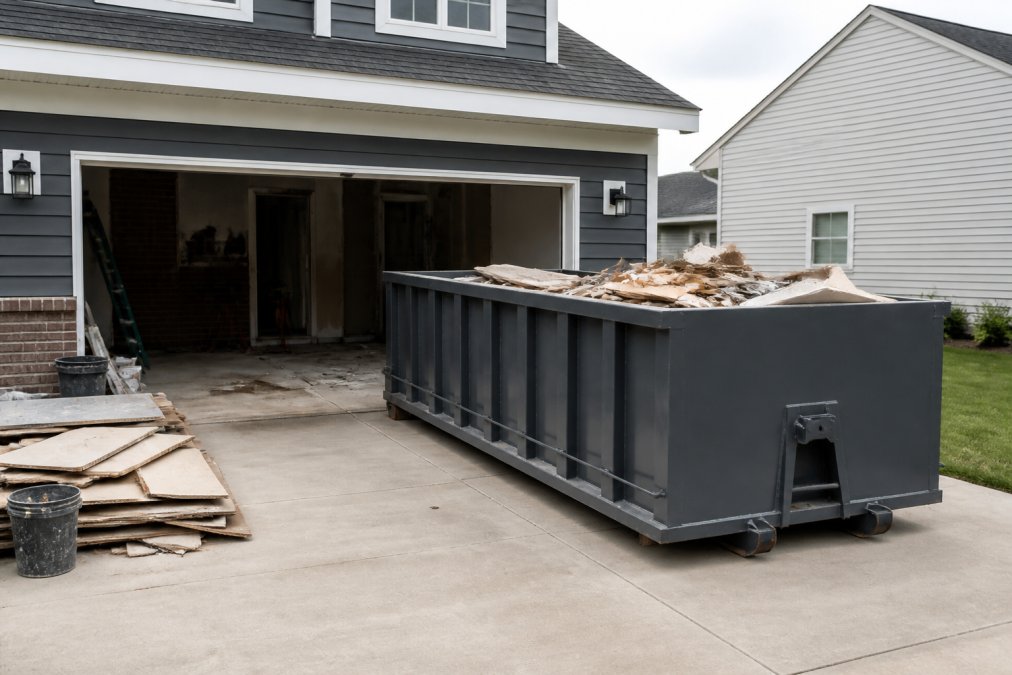
Twenty cubic yards is the most commonly rented size for home renovations and handles the majority of mid-scale projects. This capacity accommodates a full kitchen or bathroom remodel, moderate flooring replacement, or general home cleanouts. Most residential driveways can fit a 20-yard container, though you may need to clear parked vehicles or other obstacles.
This size strikes a balance between cost and capacity. You're paying more than a 10-yard option but have genuine flexibility if your project scope shifts slightly. Many homeowners find they use 70-80% of the available space, which is efficient without waste. If your renovation involves removing multiple fixtures, old flooring, and drywall, a 20-yard dumpster typically covers your needs without overage charges.
30-Yard Dumpsters
A 30-yard dumpster is the largest residential option and handles major renovations, whole-home cleanouts, or projects involving significant structural removal. If you're replacing flooring throughout a multi-story home, doing extensive drywall removal, or clearing out decades of accumulated items, this size provides peace of mind. The larger footprint may require street placement and local permits.
The main consideration is whether your property can physically accommodate it. A 30-yard container is roughly 22 feet long and needs a clear, level space. Street placement requires permit approval, which adds time and potential fees to your rental. However, if your project genuinely generates that volume of waste, the per-cubic-yard cost is often lower than renting two smaller containers.
What Can You Put in a Construction Dumpster
Accepted Debris Types
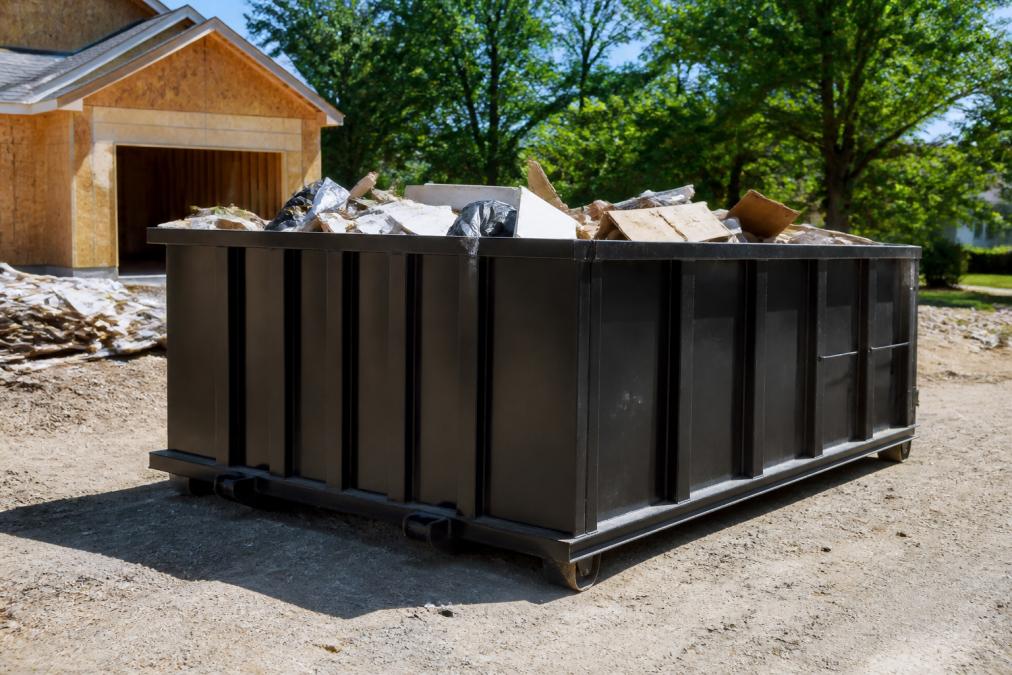
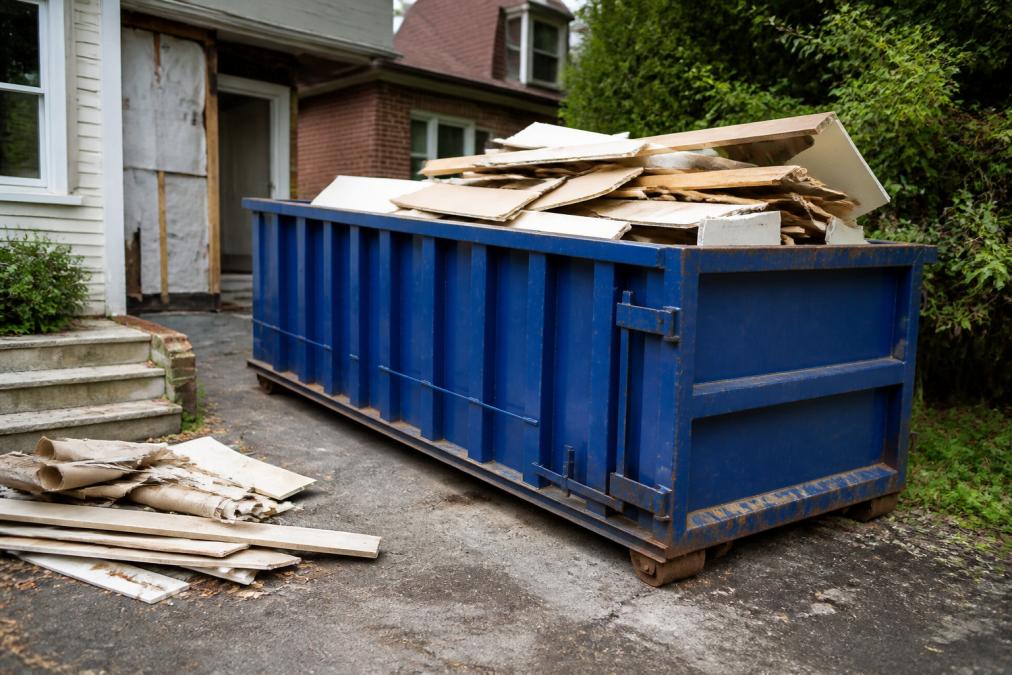
Construction dumpsters accept most materials generated during home renovations. Common accepted items include drywall, wood framing, flooring (hardwood, laminate, tile, and carpet), roofing materials, fixtures, cabinets, doors, windows, concrete (in some cases), and general construction waste. Metals like copper, aluminum, and steel are typically accepted, though some providers separate these for recycling.
The specific list depends on your local landfill's regulations and your rental company's policies. Patriot Solutions accepts many residential renovation debris, but it's essential to confirm what's permitted before you start loading. Some materials that seem harmless, like old insulation or certain adhesives, may have restrictions depending on their composition.
Prohibited Items and Hazardous Materials
Certain materials cannot go in a standard construction dumpster due to environmental or safety regulations. Hazardous materials are strictly prohibited, including paint, solvents, pesticides, asbestos, lead-based paint, batteries, propane tanks, and refrigerants. Many older homes contain asbestos in insulation, floor tiles, or roofing materials (the EPA). If your home was built before the 1980s, assume materials may contain asbestos and consult a professional before disposal.
Electronics, appliances with refrigerants, and items containing mercury are also restricted. Yard waste like soil, grass clippings, and branches may be prohibited or require a separate green waste disposal. Some providers accept large appliances if they've been properly drained of fluids. Before loading anything questionable, ask your rental company or check local waste disposal guidelines. Disposing of prohibited items illegally can result in significant fines and environmental liability.
Average Cost of Dumpster Rental
Factors That Affect Pricing
Dumpster rental pricing depends on several interconnected factors, and understanding each helps you anticipate your actual cost. Container size is the primary driver, a 10-yard dumpster costs less than a 30-yard, but the per-cubic-yard rate often decreases with larger sizes. Rental duration matters significantly; a one-week rental costs less than a three-week rental, though the pricing structure varies by provider.
Your location affects cost as well. Rural areas may have higher delivery fees due to distance, while urban areas with established waste infrastructure often have competitive pricing. Local landfill fees, permit requirements, and competition from other providers all influence the final price. Weight limits and overage fees are critical to understand, exceeding the weight limit for your container size can add substantial costs.
Seasonal demand also plays a role. Spring and summer renovation seasons see higher demand and potentially higher pricing. If your project timeline is flexible, scheduling during fall or winter may offer better rates. Patriot Solutions provides transparent pricing based on your specific needs, delivery location, and project timeline.
Hidden Fees to Watch For
Beyond the base rental rate, several fees can inflate your final bill if you're not careful. Overage fees apply when your debris exceeds the weight limit for your container size. A 20-yard dumpster typically has a weight limit between 2-4 tons; exceeding this triggers per-ton charges that can add hundreds of dollars (nh.gov). Disposal fees at the landfill are sometimes passed to the customer, so clarify whether your quoted price includes landfill costs.
Permit fees apply if street placement is required. Depending on your municipality, permits can range from minimal to substantial. Late return fees occur if you keep the dumpster longer than your rental agreement allows. Delivery and pickup fees may be separate line items rather than included in the base price. Some providers charge extra for hazardous material disposal if you accidentally include prohibited items.
The best way to avoid surprises is asking for a full itemized quote before committing. Request clarification on weight limits, what happens if you exceed them, whether delivery and pickup are included, and what the total cost is with no additional charges. Transparent providers like Patriot Solutions break down all costs upfront so you know exactly what to expect.
How Long Can You Keep a Rented Dumpster
Rental duration typically ranges from one to four weeks, with most homeowners choosing two-week rentals for standard renovations. Your rental agreement specifies the exact pickup date, so plan your project timeline accordingly. If you finish early, contact your provider to schedule earlier pickup; most companies accommodate this without penalty.
Extending your rental is possible but comes with additional daily or weekly charges. If your project timeline shifts and you need the dumpster longer, communicate with your provider as soon as possible. Keeping a dumpster beyond your rental period without authorization incurs late fees that compound daily. For projects with uncertain timelines, choosing a longer initial rental period is often more cost-effective than paying daily overage charges.
Patriot Solutions works with homeowners to establish rental periods that match actual project needs, reducing the risk of unexpected charges or rushed timelines. When you contact us for a quote, discuss your realistic project timeline so we can recommend the best rental duration for your renovation.
Residential Dumpster Rental Process and Permit Requirements
Street Placement and Local Permits
If your property doesn't have sufficient driveway or yard space for a dumpster, street placement becomes necessary. This requires a permit from your local municipality. Permit requirements vary by jurisdiction, some areas grant permits easily, while others have strict regulations about street obstruction, traffic flow, and placement duration. Contact your city or county public works department before ordering your dumpster to understand local requirements.
Permit applications typically require your address, the proposed dumpster location, project description, and rental duration. Processing times vary, but planning two to three weeks ahead is prudent for street placement. Some municipalities charge permit fees, which you'll pay separately from your dumpster rental. Failing to obtain required permits can result in fines and forced dumpster removal, disrupting your project.
Patriot Solutions operates in the Delta area and surrounding communities, where we're familiar with local permit processes. When you discuss street placement with us, we can guide you through the permit requirements for your specific location and help ensure you have proper authorization before delivery.
Same-Day Delivery and Pickup Options
Many providers offer same-day or next-day delivery for dumpster rentals, which is convenient for projects starting immediately. However, same-day service typically requires ordering early in the day and may carry premium fees. If your timeline allows flexibility, scheduling delivery a few days in advance often costs less and ensures the size you need is available.
Pickup timing is equally important. Standard rental agreements include a specific pickup date, but you can request earlier removal if your project finishes ahead of schedule. Some providers charge for expedited pickup, while others accommodate it as part of the rental agreement. Confirming pickup timing prevents the dumpster from sitting on your property longer than necessary, which ties up your space and may incur additional fees.
Patriot Solutions prioritizes reliable delivery and pickup scheduling. We understand that renovation timelines can shift, and we work with homeowners to adjust pickup dates when possible. Our local service area means we can respond quickly to your needs and ensure equipment arrives when you're ready to start.
Loading Efficiency and Safety Guidelines
Loading your dumpster strategically maximizes capacity and ensures safe, legal disposal. Start by breaking down large items like furniture, cabinets, and old fixtures into smaller pieces. Disassembled items pack more efficiently than whole objects, giving you more usable space. Place heavier materials like concrete or metal at the bottom, then layer lighter debris on top to prevent shifting during transport.
Distribute weight evenly across the container's floor rather than piling everything on one side, which can create imbalance during pickup and transport. Avoid overfilling the dumpster, debris should not extend above the container's sides, as it can fall during transit and violate safety regulations. Fill gaps with smaller debris to maximize space without creating hazardous conditions.
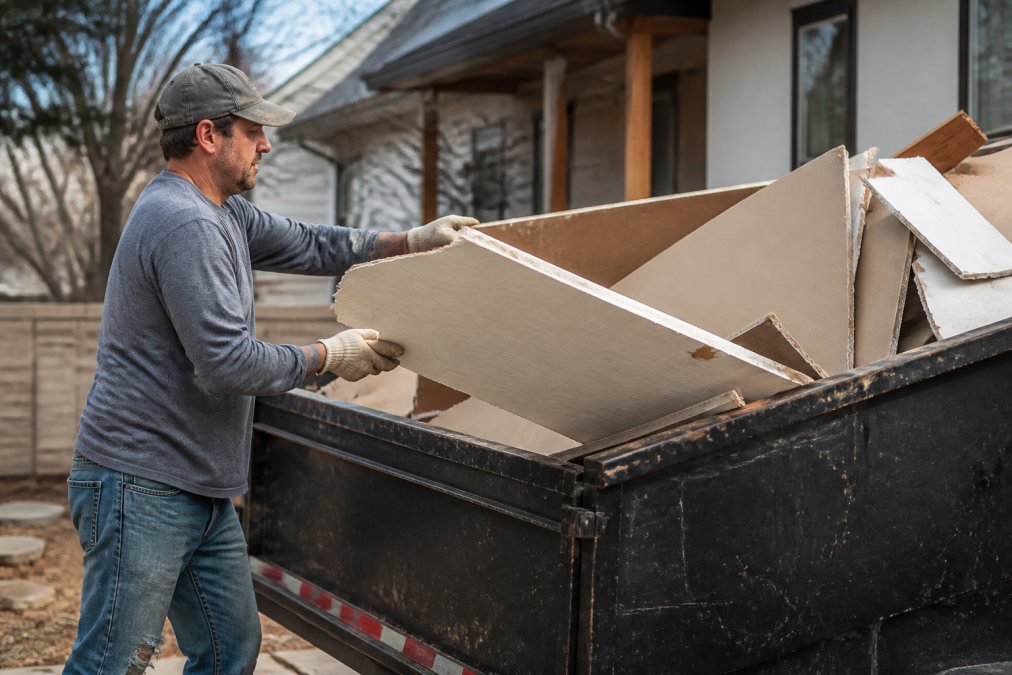
Safety is paramount when loading. Wear heavy-duty gloves and steel-toed boots to protect against sharp edges and falling debris. Never throw items into the dumpster from a height, lower them carefully to prevent injury and damage. Be cautious with items containing nails, glass, or sharp metal edges; these can puncture the dumpster or injure workers during unloading at the disposal facility.
Avoid mixing prohibited materials with acceptable debris. Keeping hazardous items separate prevents contamination and potential fines. If you're unsure whether something is acceptable, ask your rental company before loading. Patriot Solutions provides clear guidance on what's permitted in our dumpsters, and our team is available to answer questions about safe loading practices.
Choosing the best dumpster rental for home renovation comes down to matching container size to your actual project scope, understanding all costs upfront, and following safe loading practices. Patriot Solutions provides clean, well-maintained equipment with fast delivery and dependable local service across the Delta area and surrounding communities. When you're ready to start your renovation, contact us for a transparent quote that accounts for your specific project needs, no hidden fees, just reliable service you can count on.
Frequently Asked Questions
What size dumpster is typically used on a house remodel project?
Most residential renovation projects use 20-yard or 30-yard dumpsters. A 20-yard dumpster handles moderate projects like bathroom or kitchen remodels, while 30-yard containers suit major renovations involving flooring, roofing, or drywall removal. Start by assessing your project scope: small projects need 10-yard sizes, mid-range renovations fit in 20-yard containers, and extensive remodels typically require 30-yard dumpsters. When in doubt, request a consultation to estimate your debris volume accurately.
Do I need a permit for a dumpster on my property?
Permit requirements depend on your location and dumpster placement. If the dumpster sits on your driveway or private property, most areas don't require a permit. However, placing it on the street or in a public right-of-way typically requires local approval. Check with your city or county code enforcement office before delivery. Some jurisdictions require permits for any dumpster rental, while others only mandate them for street placement. Patriot Solutions can guide you through local permit requirements for your specific project location.
What are common dumpster rental mistakes to avoid?
Common mistakes include overestimating or underestimating debris volume, placing prohibited items in the dumpster, ignoring weight limits, and failing to check permit requirements. Many homeowners don't account for the space debris actually occupies once loaded. Others incur overage fees by exceeding weight limits or packing hazardous materials like asbestos or paint. Plan your project timeline carefully to avoid unnecessary rental extensions. Confirm accepted debris types and prohibited items upfront to prevent costly surprises or project delays.
How long can you keep a rented dumpster?
Rental periods typically range from 3 to 30 days, with most residential projects using 5-7 day rental windows. Standard rental terms depend on your provider's policies and your project timeline. Extending your rental beyond the initial period usually incurs additional daily or weekly fees. Plan your renovation schedule to match your rental duration, coordinating debris removal with project phases. Discuss your specific timeline with your rental provider to secure the most cost-effective rental period for your home renovation.
This article was written using GrandRanker