 how-to
Dumpster Rental Tips for New Contractors
Table of Contents
- Choose the Right Dumpster Size for Your Project
- How to Avoid Dumpster Overage Fees
- Construction Waste Management Best Practices
- Scheduling Dumpster Swaps for Job Sites
- Site Preparation and Accessibility
- Liability and Insurance Considerations
- Partner with a Reliable Local Provider
- Frequently Asked Questions
Last Updated: September 3, 2026
Choose the Right Dumpster Size for Your Project
Selecting the correct dumpster size is the foundation of effective waste management on any job site. Get this wrong and you'll either waste money on unused capacity or face expensive overage fees when you run out of space.
Start by measuring your project scope. A typical residential renovation generates roughly 3-5 cubic yards of mixed waste per 1,000 square feet of space (peer-reviewed research). For demolition work, that number climbs to 8-12 cubic yards. Construction debris compacts differently than household junk, so don't assume one formula fits all projects.
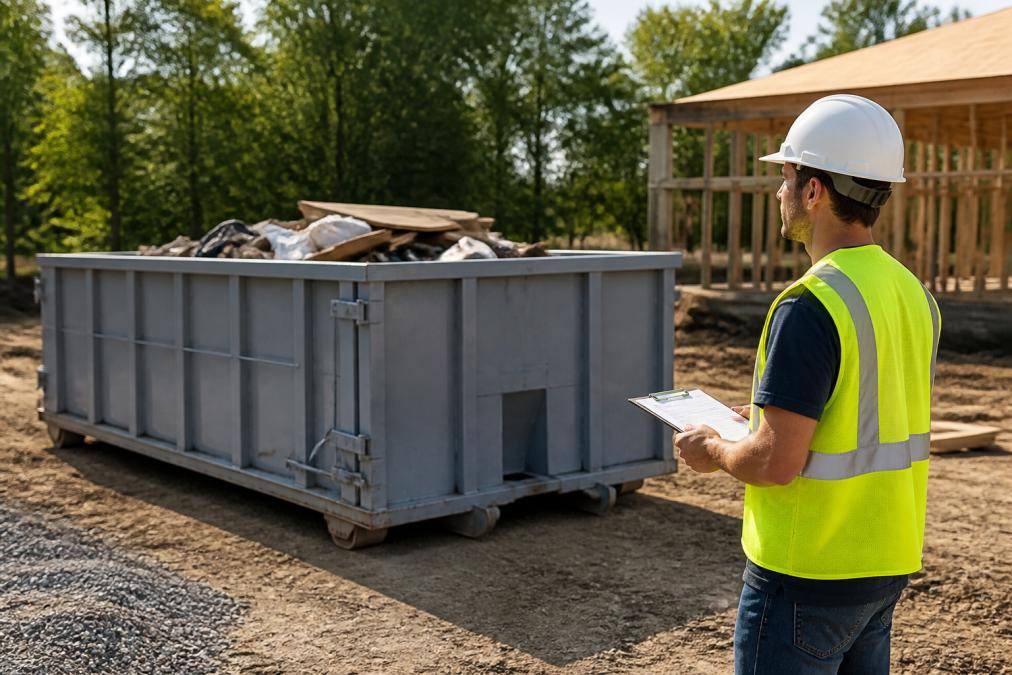
The standard roll-off dumpster sizes range from 10 to 40 cubic yards:
- 10-15 cubic yards: Small residential projects, kitchen remodels, bathroom renovations, minor cleanups
- 20 cubic yards: Medium residential projects, whole-house renovations, moderate demolition
- 30 cubic yards: Large residential projects, commercial cleanups, significant construction debris
- 40 cubic yards: Major demolition, large commercial projects, high-volume waste streams
When in doubt, choose the next size up. Underestimating forces you to request a swap mid-project, which disrupts your schedule and adds cost. A reliable local provider like Patriot Solutions can help you assess your actual needs based on your specific project type and timeline.
| Project Type | Recommended Size | Typical Debris Volume |
|---|---|---|
| Kitchen/bathroom remodel | 10-15 cubic yards | 2-4 tons |
| Whole-house renovation | 20 cubic yards | 4-8 tons |
| Small demolition | 30 cubic yards | 8-15 tons |
| Large demolition | 40 cubic yards | 15-25+ tons |
How to Avoid Dumpster Overage Fees
Overage fees catch contractors off guard more often than any other cost surprise. These charges apply when your debris exceeds either the weight capacity or volume limit of your rented container.
Weight capacity is the first constraint. A standard 20-yard dumpster typically holds 4-5 tons before hitting overage charges. Concrete weighs roughly 1.5 tons per cubic yard. If you're demolishing a concrete patio or removing masonry, your weight limit becomes the limiting factor, not volume.
Volume overage happens when you pile too much material into the container. Once the container reaches its design capacity, additional loads trigger overage charges.
Here's how to stay within limits:
-
Document your debris type before renting. Separate heavy materials (concrete, metal) from light materials (drywall, wood).
-
Ask your provider for the exact weight and volume limits. Specifications vary by hauler and equipment condition.
-
Schedule a mid-project swap if you're uncertain. It's cheaper to swap containers than to overfill and pay overage fees. Patriot Solutions handles proactive scheduling to keep your project moving without surprise charges.
-
Avoid prohibited materials from the start. Hazardous waste, appliances, tires, and certain electronics trigger separate fees or outright rejection.
-
Load strategically. Place heavier items first and distribute weight evenly to maximize usable capacity.
The most effective strategy is communication. Tell your provider exactly what you're throwing away and ask them to validate your size choice.
Construction Waste Management Best Practices
Effective waste management goes beyond simply filling a dumpster. It's about organizing your waste stream, protecting the environment, and maintaining site safety.
Start with a waste sorting protocol. Separate recyclable materials (wood, metal, cardboard) from general debris, hazardous waste, and inert materials (concrete, asphalt). This reduces landfill volume, may recover material value, and keeps hazardous materials isolated.
Many jurisdictions now require waste diversion reporting, especially for commercial and public projects. A typical construction project can divert 50-75% of waste with proper sorting (the EPA). Documenting this diversion supports LEED certification and demonstrates environmental responsibility.
On-site safety is tied directly to waste management. Loose debris creates trip hazards. Improperly stored materials become projectiles in wind. A designated debris area with clear boundaries, proper signage, and regular cleanup prevents accidents and keeps your site professional.
Hazardous materials require special handling. Paint, solvents, batteries, fluorescent bulbs, asbestos, and certain insulation materials cannot go into standard dumpsters. Confirm what's prohibited with your provider before work starts.
Scheduling Dumpster Swaps for Job Sites
Timing is everything when managing multiple dumpsters across a multi-phase project. Poor timing creates delays. Smart scheduling keeps debris moving and your site productive.
Plan swaps around your project phases. If you're doing demolition first, then framing, then finishing, schedule your dumpster swaps to align with those transitions. This prevents waiting for pickup while your crew sits idle.
Communicate swap requests at least 48 hours in advance. This gives your provider time to schedule a truck. Emergency swaps are possible but often cost more. Patriot Solutions prioritizes proactive scheduling to keep your site moving without premium fees.
Consider the debris composition when planning swaps. If your first dumpster fills with heavy concrete and your next phase is light framing waste, you might need a different size container for phase two.
The cost of a swap is typically lower than the cost of overage fees or project delays. Budget for 1-2 swaps on renovation projects and 2-4 on larger demolition work.
Site Preparation and Accessibility
Before your dumpster arrives, your site must be ready to receive it. Poor preparation leads to delivery delays, safety hazards, and sometimes refusal of service.
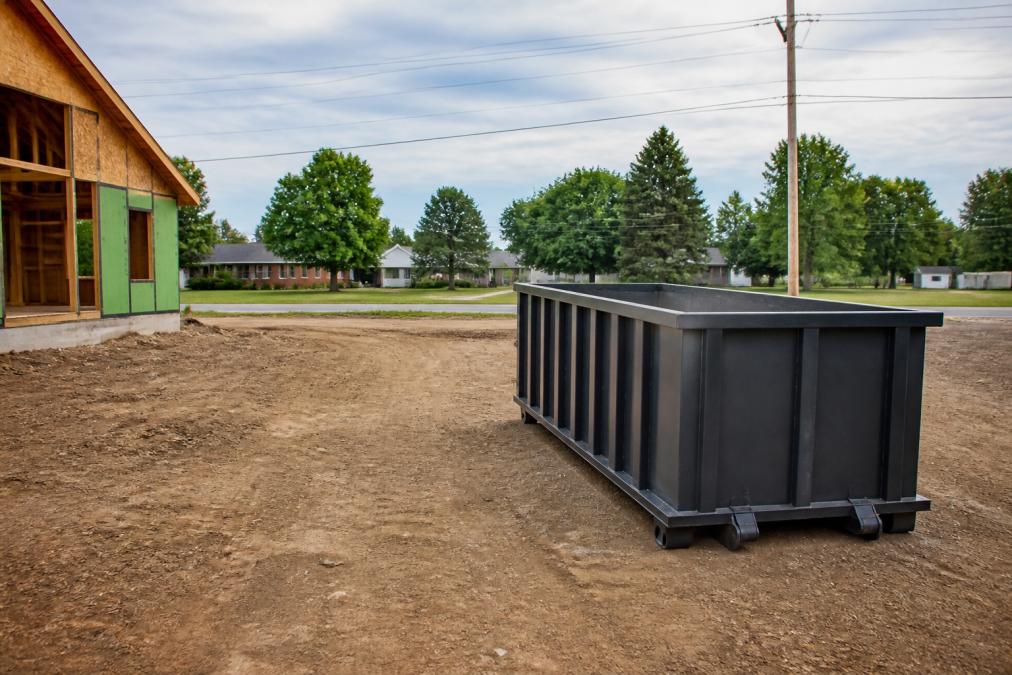
Identify the optimal placement location. The dumpster needs level ground; uneven surfaces can cause tipping. It should be positioned away from building entrances, foot traffic, and parked vehicles. Check for overhead obstacles: power lines, tree branches, roof overhangs.
Confirm utility locations before placement. Call your local utility locating service (811 in most areas) to mark buried electric, gas, water, and sewer lines. Placing a dumpster over a utility line can result in fines, service disruptions, and liability.
Ensure adequate access for the delivery truck. Most delivery trucks are 35-40 feet long and 8-9 feet wide. Narrow passages, low-hanging wires, or unstable ground can prevent delivery entirely.
Clear the drop-off zone of debris, vehicles, and obstacles before the scheduled delivery time. Have someone on-site during delivery to direct the driver and confirm proper placement.
Liability and Insurance Considerations
Many contractors underestimate the liability exposure tied to dumpster rental and waste management. A worker injured loading the container, a utility line damaged by improper placement, or hazardous material mishandled, these incidents carry legal and financial consequences.
Your general liability insurance typically covers injuries to third parties, but it may not cover injuries to your own workers or damage caused by your waste management practices. Review your policy with your insurance agent before starting a project.
Some providers require proof of liability insurance before delivery. This is standard practice. Have your certificate of insurance ready and ensure your coverage limits are adequate for your project scope.
Hazardous material liability is separate. If you dispose of prohibited materials improperly and they cause environmental damage or health issues, you're liable. Never assume something is safe to throw away. Ask your provider if you're uncertain.
Document everything. Take photos of the site before dumpster arrival, during loading, and after pickup. Keep receipts and communications with your provider. This creates a record if disputes arise later.
Confirm that your provider carries their own liability insurance and that they're properly licensed to haul waste in your jurisdiction.
Partner with a Reliable Local Provider
Your dumpster rental experience depends almost entirely on your provider's reliability, responsiveness, and professionalism. A local provider who understands your market and prioritizes dependable service is worth the effort to find and maintain.
When evaluating providers, ask about their track record with on-time delivery and pickup. Ask for references from other contractors in your area. Legitimate providers will provide them without hesitation.
Confirm that they understand your local regulations. Disposal rules, hazardous material restrictions, recycling requirements, and permit requirements vary by jurisdiction. A provider who knows these details upfront prevents compliance issues.
Communication matters more than you'd expect. Can you reach them by phone or email? Do they respond to scheduling changes quickly? A responsive provider prevents surprises and keeps your project on track.
Patriot Solutions serves the Delta area with local knowledge, dependable equipment, and fast delivery. We understand the specific waste management challenges of construction projects in this region. Our team prioritizes reliability, if we commit to a pickup time, we show up. We handle hazardous material disposal correctly and help you understand what's allowed in each dumpster to prevent overage fees and compliance issues.
Ask your provider about their sustainability practices. Do they recycle and divert waste appropriately? Can they provide documentation for LEED projects?
Managing dumpster rentals effectively comes down to three things: choosing the right size upfront, understanding your limits to avoid overage fees, and partnering with a provider who delivers when they say they will. The time you invest in planning, measuring your debris volume, confirming site accessibility, and communicating clearly with your provider pays off in avoided delays and unexpected costs.
Patriot Solutions is built on the principle that reliable local service matters. We deliver clean equipment on schedule, help you understand waste management best practices, and answer your questions directly. Contact Patriot Solutions for a project assessment and let us help you plan the right dumpster strategy for your next job.
Frequently Asked Questions
What are the most common dumpster rental mistakes contractors make?
New contractors often underestimate dumpster size, leading to overflow and overage fees. They also fail to verify what materials are prohibited before loading, creating disposal complications. Poor scheduling, booking too late or not coordinating pickups with project timelines, disrupts workflows. Finally, many skip permit checks and don't confirm site accessibility, causing delivery delays. Patriot Solutions helps contractors avoid these by clarifying restrictions upfront and coordinating scheduling to keep projects on track.
How do I choose the right dumpster size for a construction project?
Start by calculating your debris volume: estimate the square footage of material removal and multiply by the depth. A 10-yard dumpster handles small renovations; 20-yard suits mid-sized projects; 30-yard and larger work for demolition or major construction. Consider weight limits, concrete and soil are heavier than drywall. When in doubt, upsize slightly; it costs less than overage fees. Contact your rental provider with project photos and scope details for a professional recommendation.
What items are prohibited in a roll-off dumpster?
Hazardous materials, paint, solvents, batteries, asbestos, and refrigerants, are strictly prohibited due to environmental and safety regulations. Most providers also restrict tires, appliances, and electronics. Some limit yard waste, metals, or roofing materials depending on local disposal regulations. Always ask your provider for a complete list before renting. Patriot Solutions clarifies all restrictions in the service agreement so you avoid surprise fees or project delays from rejected loads.
How can contractors maximize dumpster space to save money?
Sort debris on-site: separate recyclable materials, metals, and wood into designated areas rather than mixing everything. Break down large items like drywall and lumber into smaller pieces to reduce volume. Load strategically, dense materials on the bottom, lighter debris on top. Coordinate multiple small pickups instead of one oversized rental if your timeline allows. Implement waste diversion by recycling and donating usable materials. These practices reduce overage fees and support environmental compliance.
This article was written using GrandRanker