 how-to
Dumpster Permit in Delta, Utah: How to Get One in 2026
Table of Contents
- When You Need a Dumpster Permit in Delta, Utah
- Roll Off Dumpster Rental Requirements in Delta
- Step-by-Step: How to Apply for a Dumpster Permit
- Dumpster Placement Regulations for Streets and Driveways
- Millard County Landfill Disposal Fees and Rules
- What You Cannot Put in a Roll-Off Dumpster
- Frequently Asked Questions
Last Updated: September 23, 2026
When You Need a Dumpster Permit in Delta, Utah
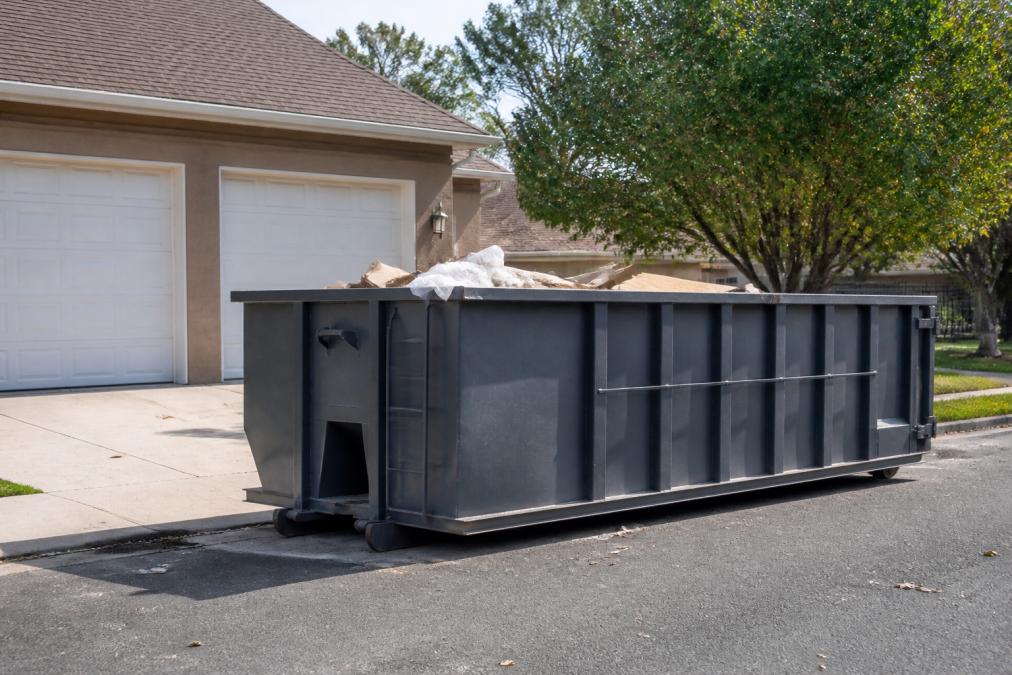
You need a dumpster permit in Delta, Utah when your roll-off dumpster will sit on public property, a street, alley, or sidewalk. On your own private driveway, you usually don't. The deciding factor isn't dumpster size, it's where you put it.
Delta City official website and municipal services
Public Property vs. Private Property Rules
The rule comes down to one question: whose land is the dumpster on?
- Street or alley placement: permit required
- Sidewalk or curb placement: permit required
- Private driveway: usually exempt
- Private commercial lot: usually exempt
Residential Driveway Exemptions
Homeowners in Delta, Fillmore, and Hinckley get a break here: if the dumpster fits entirely on your residential driveway and doesn't touch the street, you can typically skip the permit process. But "entirely" is the key word, if the container hangs over the sidewalk or juts into the roadway, that exemption disappears. Check your driveway's width and length before delivery; tight driveways may force a street placement, which brings the permit back into play.
Roll Off Dumpster Rental Requirements in Delta
The main requirements for roll off dumpster rental in Delta are straightforward: a clear placement spot, a permit if you're on public land, and the right container size for your debris. Most projects run one to two weeks; longer jobs may need an extension, and some cities cap how long a container can sit on a public street. What trips people up:
- The truck needs overhead clearance for power lines
- The container can't block fire hydrants or driveways
- Load capacity limits are strict, and overfilling costs extra
- Utility clearance must be checked before placement
Step-by-Step: How to Apply for a Dumpster Permit
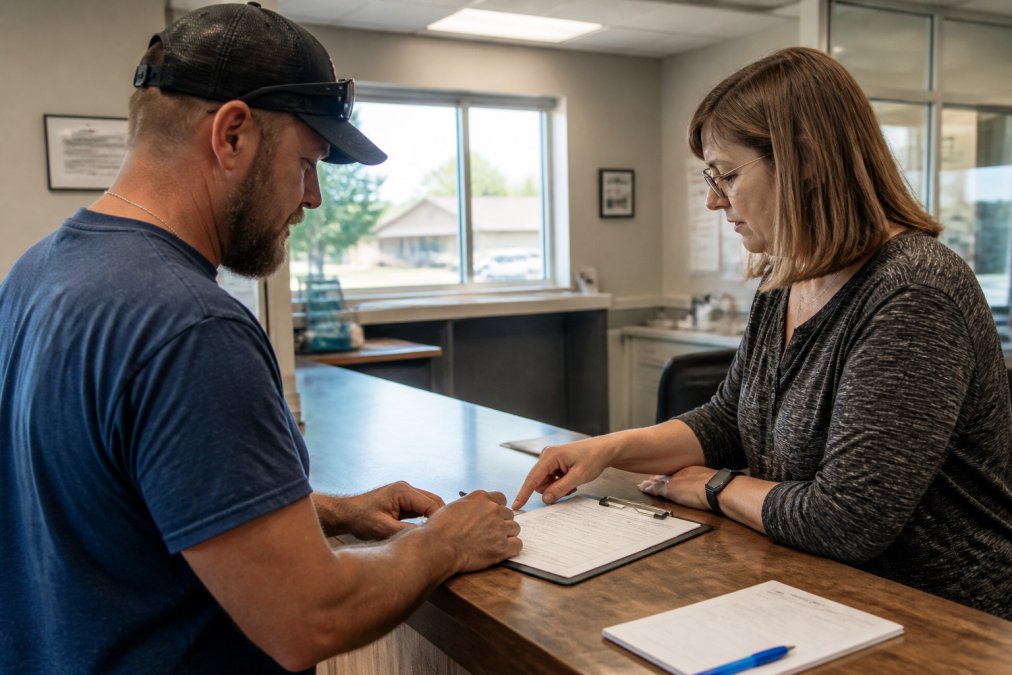
Applying for a dumpster permit in Delta takes a few clear steps: call the city offices to confirm which department handles it, then submit your application with the required details.
Who Actually Issues the Permit
In most small Utah municipalities, a dumpster touching a public street, alley, or sidewalk is handled as a right-of-way encroachment or street occupancy permit, not a building permit, so you visit the city office / public works department, not building inspections. Call the main city office line and ask three questions:
- Does my placement require a right-of-way or street occupancy permit?
- Which department reviews it, and is there a specific application form?
- Is a site sketch or photo required, and is there a site inspection?
Required Documentation and Site Details
Most permit applications ask for the same core information:
- Your name and contact details
- The property address and project type
- The exact placement location, including a sketch
- The dumpster size and rental duration
- Your hauler's name and contact info
- Proof of insurance from the hauler, if required
A simple diagram showing where the container sits relative to the street, sidewalk, and driveway helps, staff use it to judge traffic safety and utility clearance. A few details consistently get applications kicked back:
- Sketch quality. A hand-drawn overhead view with the street labeled, curb line drawn, and container footprint shaded is usually enough; a marked photo of the driveway also works.
- Hauler information. Give the company's legal name, not the truck's logo, and request a certificate of insurance the same day you apply if the city wants one.
- Duration. State the number of days you expect the container on site; if unsure, request the maximum and note you'll close the permit early.
- Contact number that rings. Inspectors call before they drive out, and a voicemail-only number slows the review.
Fees and Approval Timelines
Permit fees vary by city and project, and rates change, confirm the current permit fee with the city office when you apply rather than relying on old numbers online. Approval timelines are short for simple residential jobs; complex street placements take longer because they need a site inspection first.
| Step | What Happens | Typical Timeline |
|---|---|---|
| Call the city | Confirm department and requirements | Same day |
| Submit application | Provide docs and site sketch | 1 day |
| Review and inspection | Staff check placement safety | 1-3 days |
| Permit issued | Display permit on site | Once approved |
Things that reliably slow a permit down:
- Applying Friday afternoon when the reviewer is out until Monday
- A sketch that doesn't show the curb or nearest intersection
- A placement overlapping a fire hydrant, bus stop, or crosswalk
- A hauler the city can't verify insurance for
A Local Contact Directory You Can Actually Use
The contact order that works for Delta-area projects:
- City office main line, confirm whether your placement needs a right-of-way permit and which department reviews it.
- Public works department, the reviewer for street, alley, and sidewalk placements; ask about inspection scheduling.
- Millard County offices, for unincorporated addresses outside city limits, the county handles the right-of-way question instead of a city.
- Your hauler, for the certificate of insurance, the container dimensions, and the axle weight of the loaded truck.
Delta City official website and municipal services
Dumpster Placement Regulations for Streets and Driveways
Dumpster placement regulations for streets and driveways focus on keeping traffic moving and people safe, protecting sightlines, fire access, and pedestrian paths. Follow these basics:
- Keep the container out of traffic lanes
- Never block fire hydrants or crosswalks
- Leave room for emergency vehicles
- Mark the container with reflective tape at night
- Keep the permit display visible on the container
What Inspectors Actually Check
When a public works reviewer looks at a proposed street placement, the checklist is short and consistent. Knowing it in advance is the difference between a one-day approval and a week of back-and-forth.
- Remaining travel lane width. The container can't reduce the usable lane below what the street is designed for; on a residential street it must sit tight to the curb and leave a full lane open. If a fire truck couldn't pass, expect a denial.
- Sight distance at intersections and driveways. The container can't block a driver's view of oncoming traffic or a pedestrian, so keep it back from the corner radius, not right at the curb cut.
- Fire hydrant and utility clearance. Hydrants, water meters, gas meters, and electrical pedestals all need unobstructed access, even a container that looks clear can fail if it sits on a buried utility vault.
- Sidewalk and pedestrian path. If the container blocks the sidewalk, pedestrians get pushed into the street; most cities require a clear path or a signed detour.
- Reflective marking. Reflective tape or cones at the corners is a common requirement for overnight street placements.
- Permit display. The issued permit usually has to be visible on the container or posted at the site so a code officer can verify it without knocking.
Street vs. Driveway: The Trade-Off
A driveway placement avoids the permit process but constrains you in three ways:
- Truck access. The hauler needs a straight, unobstructed path to back in; low branches, parked cars, and narrow gates cause failed deliveries.
- Overhead clearance. Power lines, cable lines, and tree limbs must clear the truck's boom, or the driver will refuse the drop.
- Container footprint. A standard roll-off needs more length than most people expect once the truck's rails are factored in, measure the driveway, not the container.
Prohibited Items and How They Affect Your Permit
Placement and disposal rules are connected: a permitted container loaded with banned material can still be rejected at the landfill, and a rejected load often means the container sits on the street longer than the permit allows. Keep these out of any roll-off:
- Tires
- Batteries
- Paint and solvents
- Motor oil and antifreeze
- Pesticides and fertilizers
- Medical waste
- Asbestos
- Appliances with refrigerant
Extensions and Duration Limits
Most right-of-way permits are written for a fixed window, often days, not weeks. If your project runs long, call the issuing office before the permit expires; an expired permit on a container still in the street is a code violation, and the fix is usually a new application rather than a renewal. Put the permit expiration date on your calendar the day it's issued and set a reminder a few days before, that single step prevents most enforcement problems.
Millard County Landfill Disposal Fees and Rules
Millard County landfill disposal fees and rules decide what happens to your debris after pickup. The landfill sets its own tipping fees, and rates change, so confirm current pricing with the county before you haul.
- Separate recyclable material when you can
- Keep hazardous materials out of the load
- Ask about waste diversion programs
- Confirm load capacity limits per trip
Millard County landfill and waste services information
What You Cannot Put in a Roll-Off Dumpster
Certain items are banned from roll-off dumpsters, no matter where you rent. These bans protect workers, haulers, and the landfill.
Never toss these in:
- Tires
- Batteries
- Paint and solvents
- Motor oil and antifreeze
- Pesticides and fertilizers
- Medical waste
- Asbestos
- Appliances with refrigerant
Frequently Asked Questions
Do I need a dumpster permit in Delta, Utah?
You need a dumpster permit in Delta, Utah when the container sits on public property like a street, alley, or sidewalk. If the roll-off dumpster stays entirely on your private driveway or yard, a permit is usually not required. Before ordering, call the Delta City public works department to confirm your specific placement, since right-of-way rules can vary by location and project type.
How much does a dumpster permit cost in Delta?
Permit fees in Delta depend on the placement duration and whether the container blocks any part of the right-of-way. Most municipalities charge a base application fee plus a per-day street occupancy charge. Because rates change, contact the Delta City offices directly for the current fee schedule.
What are the roll off dumpster rental requirements in Delta?
Roll off dumpster rental requirements in Delta include a valid permit if the container goes on public property, clear placement away from utility lines and traffic lanes, and proper reflective markings for overnight street placement. Renters must also follow weight limits and keep prohibited items like tires, paint, and hazardous materials out of the container. Your rental company should walk you through these rules before delivery.
How far in advance should I apply for a dumpster permit?
Apply at least three to five business days before your dumpster delivery. Delta's permit approval process may include a site inspection, which adds time. If your project involves a street closure or occupies a travel lane, allow extra days for review. Submitting your application early keeps your construction or cleanup schedule on track and avoids delivery delays.