 blog
blog
5 Ways to Prepare for a Residential Dumpster Rental
Table of Contents
- 1. Choose the Right Dumpster Size for Your Project
- 2. Clear the Delivery Path and Prepare the Ground
- 3. Protect Your Driveway and Placement Area
- 4. Understand Residential Dumpster Rental Prohibited Items
- 5. Plan Your Rental Duration and Permit Requirements
- Frequently Asked Questions
Last Updated: September 19, 2026
1. Choose the Right Dumpster Size for Your Project
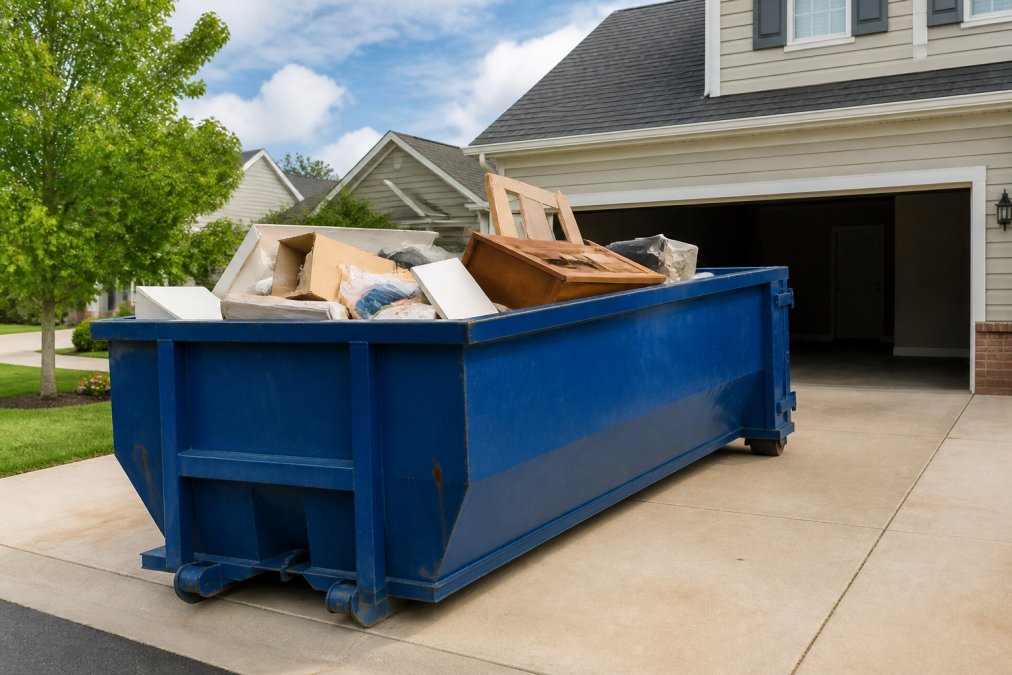
Getting the size right is the single biggest factor in whether your residential dumpster rental goes smoothly. Too small and you'll pay for a second haul. Too big and you're paying for air.
Patriot Solutions handles roll-off containers for homeowners across Delta, Fillmore, and Hinckley, and the same question comes up every time: how big is big enough?
Estimating Debris Volume
A common approach is to think in pickup-truck loads. A 10-yard container holds roughly three to four pickup loads of debris. A 20-yard holds about six to eight. A 30-yard handles ten to twelve.
Match the container to the job:
- Small bathroom remodel: 10-yard
- Full kitchen gut or roofing tear-off: 20-yard
- Whole-home cleanout or demolition: 30-yard
- Heavy materials like concrete or dirt: 10-yard, kept half full
Weight Limits and Heavy Materials
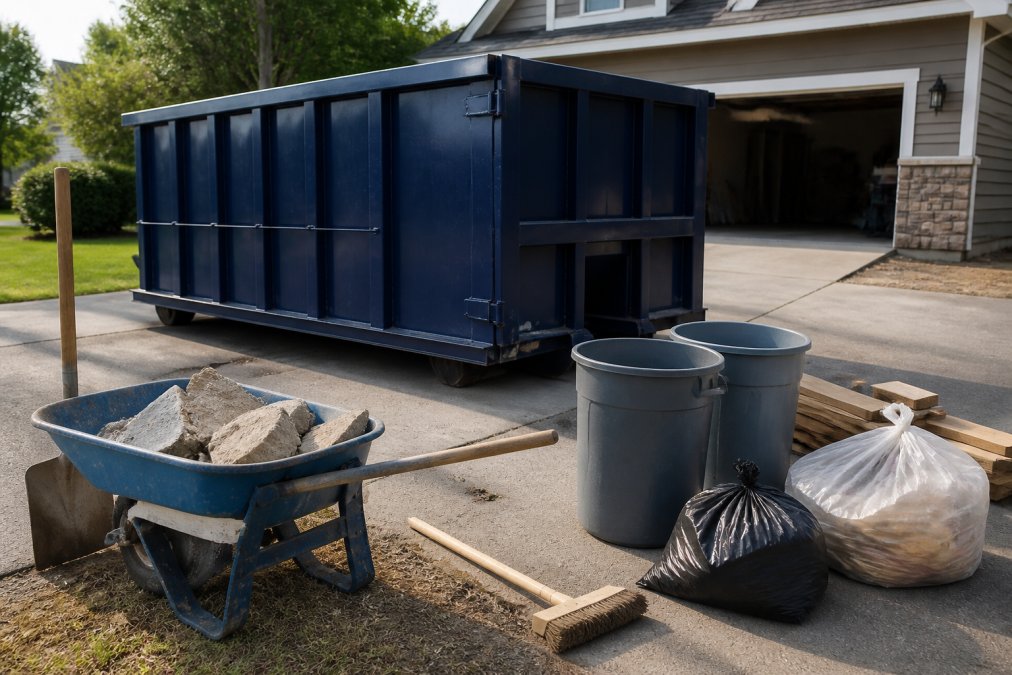
Volume is only half the equation. Every roll-off container has a weight limit, and heavy debris hits it fast. Concrete, brick, dirt, and roofing shingles are the usual culprits.
For heavy loads, rent a smaller container and fill it only partway. It costs less than an overload penalty.
2. Clear the Delivery Path and Prepare the Ground
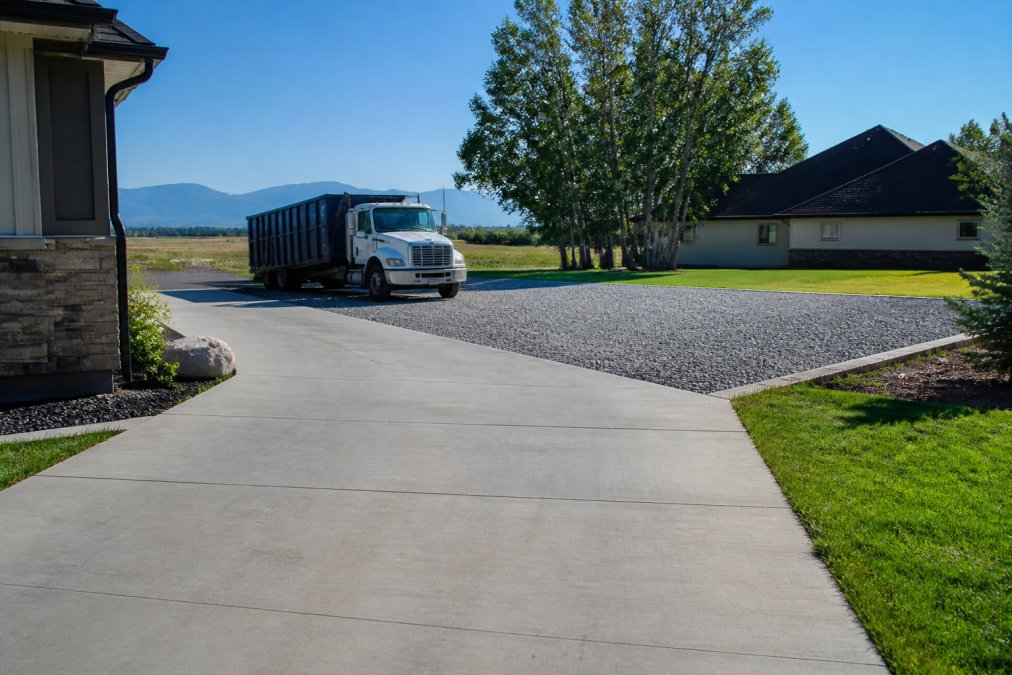
A dumpster truck needs room to arrive, maneuver, and set the container down. If the delivery path isn't clear, the driver may have to leave without dropping it, and that's a wasted trip for everyone.
Walk your property the day before delivery and look for anything that blocks the route.
Measuring Clearance Space
The container itself needs a footprint of roughly 12 feet by 8 feet for a standard 10- to 20-yard unit. But the truck needs more than that.
Plan for:
- At least 60 feet of straight approach
- 12 feet of overhead clearance to clear low-hanging branches and wires
- A width of 10 to 12 feet along the entire route
Move parked cars, trash bins, and anything else sitting in the way.
Creating a Level Surface
The container must sit on firm, level ground. Soft soil, fresh gravel, or a slope can cause the container to shift or sink, which damages the surface underneath and makes pickup harder.
- Choose asphalt, concrete, or packed gravel
- Avoid placing it on grass after heavy rain
- Never set it on a slope, even a slight one
3. Protect Your Driveway and Placement Area
Driveway damage is the number-one complaint homeowners have after a dumpster pickup. A loaded container can weigh several tons, and that weight concentrates on a small contact area.
Surface Protection Strategies
You can prevent most damage with a few simple moves before the container lands.
- Lay down plywood sheets where the container will sit
- Run 2x4 lumber under the rails to spread the load
- Keep the container off decorative pavers and stamped concrete
- Photograph the surface before delivery for your own records
4. Understand Residential Dumpster Rental Prohibited Items
Knowing what you can't throw away saves you from rejected loads and extra fees. Residential dumpster rental prohibited items fall into a few clear categories, and every hauler follows the same basic rules because the receiving landfill or transfer station enforces them.
Items you cannot put in any roll-off container:
- Paint, solvents, and motor oil
- Batteries, tires, and propane tanks
- Asbestos, medical waste, and electronics
- Food waste and yard chemicals
- Appliances containing refrigerant (refrigerators, freezers, AC units)
- Fluorescent bulbs and mercury thermostats
Why These Items Are Banned
Landfills that accept construction and demolition debris are permitted to take inert material, wood, drywall, roofing, concrete, and similar. Liquids, corrosives, and anything that off-gasses or leaches fall outside that permit. When a prohibited item is found in a load, the hauler can't simply pull it out at the scale; the entire container is treated as contaminated.
That's the mechanism behind the fee. A rejected load typically means:
- A return trip charge to bring the container back
- A re-dump or sorting fee at the facility
- A new disposal charge once the load is clean
A common pattern is that one improperly disposed propane tank or a single can of paint costs more in fees than the entire original rental.
How to Dispose of Prohibited Items Instead
Most of these items have a designated pathway that's cheaper than a rejected load:
- Household hazardous waste (HHW): Many counties run periodic collection events or a permanent HHW facility. Check your county's solid waste department website for dates and accepted items.
- Electronics: Retailers that sell electronics often accept them back for recycling; state e-waste laws in many places require it.
- Tires: Tire retailers typically accept used tires for a small per-tire fee.
- Appliances with refrigerant: These require certified recovery of the refrigerant before scrapping. Ask your hauler whether they accept them as a separate item.
- Batteries: Auto parts stores commonly take lead-acid batteries; household battery recycling varies by municipality.
Hazardous Waste and Overloading Penalties
Hazardous waste mixed into a load can cause the entire container to be rejected at the landfill. You'll pay for the return trip and the sorting. Some items also carry federal disposal rules.
5. Plan Your Rental Duration and Permit Requirements
Most residential dumpster rentals run for a set window, often seven to fourteen days. How long can you keep a rented dumpster? That depends on your hauler and your project timeline.
Ask two questions before you book:
- What's the base rental period?
- What's the daily rate after that?
When You Actually Need a Permit
The rule of thumb most jurisdictions use: if the container sits on private property, your driveway, your yard, a private easement, no permit is required. If any part of it sits in a public right-of-way, including the street, the sidewalk, or the parking strip between the curb and the sidewalk, you almost always need one.
How to Check Your Local Requirements
Permit rules are set at the municipal or county level, so there's no single national standard. The reliable way to find yours:
- Search your city or county website for "right-of-way permit" or "dumpster permit."
- Call the public works or transportation department, not the waste department. Public works usually issues right-of-way permits.
- Ask three specific questions: Is a permit required for my address? What's the fee? How long does approval take?
Lead Time and Timing Your Delivery
Work backward from your project start date:
- Apply for the permit at least one to two weeks before you want the container.
- Confirm the permit's active dates, most are issued for a specific window and don't roll over.
- Schedule delivery for after the permit is in hand, not the day you apply.
If your project slips, check whether the permit can be extended. Many jurisdictions allow one extension for a small additional fee; others require a new application.
Post-Delivery Communication
Once the container is dropped, confirm two things with your provider:
- The pickup date
- How to reach them if you finish early
Patriot Solutions delivers clean roll-off dumpsters with fast, dependable local service.
Frequently Asked Questions
What items are prohibited in a residential dumpster rental?
Prohibited items typically include hazardous waste such as paint, solvents, motor oil, batteries, tires, and appliances containing refrigerants. Yard chemicals, asbestos, and medical waste are also banned. These materials require special disposal methods and can result in overloading penalties or environmental fines. Always confirm the prohibited materials list with your provider before loading, and separate hazardous waste for proper disposal at a designated facility.
How can I protect my driveway from dumpster damage?
Place plywood boards or rubber mats under the dumpster's contact points to distribute weight and prevent scraping. Avoid placing the container on soft ground or freshly sealed asphalt. Ask the driver to set the dumpster gently and avoid dragging it. If your driveway is steep or cracked, consider curbside placement instead. These dumpster rental driveway protection tips reduce the risk of cracks, gouges, and surface damage during drop-off and pickup.
How long can you keep a rented dumpster?
Standard residential dumpster rentals include a set rental duration, often 7 to 14 days. Extra days usually incur a daily fee. If your project runs longer, ask about extended rental options upfront to avoid surprise charges. For renovations or large cleanups, scheduling delivery close to your start date helps you avoid paying for unused days. Confirm the pickup window and any extension policy when you book.
Do I need a permit to place a dumpster on my property?
If the dumpster sits entirely on your private driveway or yard, a permit is often not required. However, placing it on a public street, sidewalk, or right-of-way typically requires a permit from your local municipality. Permit requirements vary by city and county, so check with your local public works department before delivery. Your dumpster provider can often guide you on local rules and help you avoid fines or forced removal.