 ultimate-guide
Best Dumpster Sizes for Home Renovation in 2026
Table of Contents
- Choosing the Right Dumpster Size: Start With Your Project Scope
- 10-Yard Dumpster: Best for Small Bathroom and Powder Room Remodels
- 20-Yard Dumpster: The Standard for Kitchens and Single-Room Renovations
- 30-Yard Dumpster: For Whole-Home Interior Demolition
- 40-Yard Dumpster: Large Additions and Major Structural Projects
- How to Estimate Debris Volume for Your Renovation
- Dumpster Rental Weight Limits and Overage Fees
- Average Cost of Dumpster Rental and Money-Saving Logistics
- Frequently Asked Questions
Last Updated: September 9, 2026
Choosing the wrong dumpster size for a home renovation is one of the most common, and most expensive, mistakes a homeowner can make. Rent a container that is too small and you will face the hassle of scheduling a second haul or paying for an extension; rent one that is too large and you have paid for disposal capacity you never used. The best dumpster sizes for home renovation projects depend entirely on your project scope, the type of materials you are removing, and how much debris you actually generate. This guide from Patriot Solutions, which provides roll-off dumpsters and sanitation services across the Delta, Utah area, breaks down each standard size so you can match the container to the job with confidence. Below, we will show you exactly how to estimate your debris volume, understand weight limits, and avoid the overage fees that catch most renters off guard.
Choosing the Right Dumpster Size: Start With Your Project Scope
The right dumpster size is determined by the square footage of your renovation area and the type of materials you are removing. A standard rule of thumb is that one room of carpet and flooring generates roughly one to two cubic yards of debris, while a full kitchen remodel with cabinets, drywall, and appliances can easily produce six to eight cubic yards (the EPA). Rather than guessing, walk through each room and visualize the volume of material you will be tearing out, then add a buffer of about 20 percent for unexpected findings like water-damaged subflooring or extra layers of old tile.
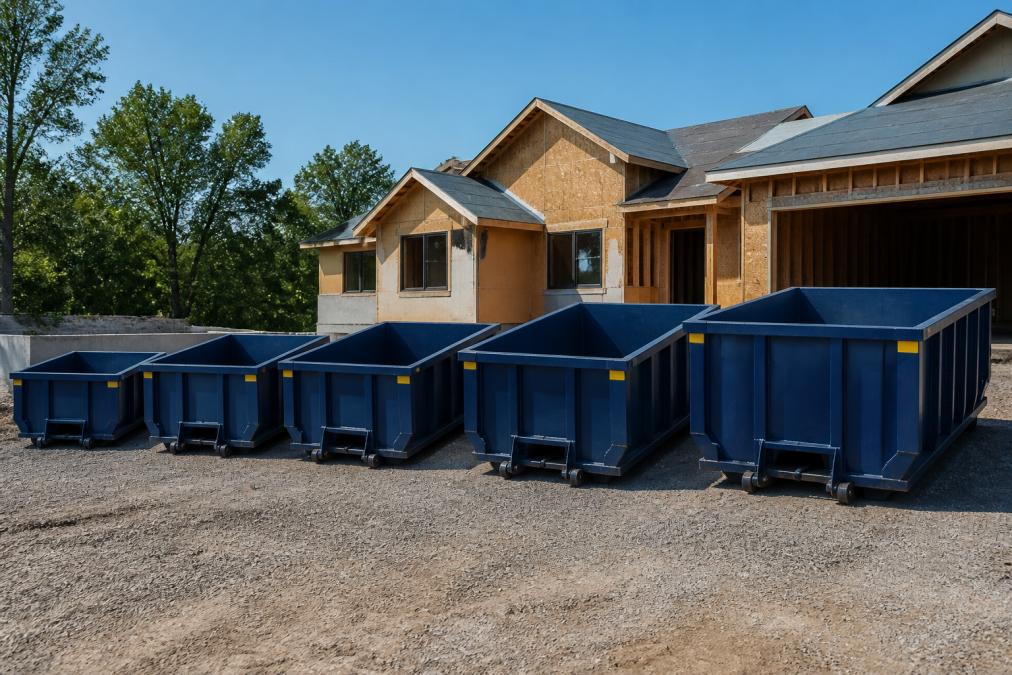
Most rental providers offer containers in four standard sizes: 10, 20, 30, and 40 cubic yards. These dimensions refer to the volume of the container itself, not the weight of what you put inside it. A common mistake is focusing only on volume when the weight of your materials, especially concrete, shingles, and dirt, will often be the limiting factor. Before you book, check whether your project involves heavy demolition debris or mostly light household junk, because that distinction changes which size makes sense.
10-Yard Dumpster: Best for Small Bathroom and Powder Room Remodels
A 10-yard dumpster is the smallest roll-off container you can rent, and it is the best fit for small bathroom remodels, powder room updates, and minor decluttering projects. This size holds roughly three pickup truck loads of waste, making it ideal for removing an old vanity, toilet, tile, and drywall from a single compact space. The container footprint is small enough to fit in most residential driveways without blocking access to the garage or street.
For a standard bathroom remodel, you will typically generate between two and four cubic yards of debris, which fits comfortably within a 10-yard container. This size also works well for replacing a deck, clearing out a basement, or removing old carpet and flooring from one or two rooms. The trade-off is that you have less room for error; if your remodel uncovers rotted studs or you decide to replace the subfloor, you may run out of space sooner than expected.
20-Yard Dumpster: The Standard for Kitchens and Single-Room Renovations
The 20-yard dumpster is the workhorse of home renovation, and it is the size most rental companies recommend for kitchens, large bathrooms, and single-room renovations. This container holds roughly six pickup truck loads and can accommodate the full demolition of a kitchen including cabinets, countertops, appliances, drywall, and flooring. It is also the most common choice for whole-room renovations where you are removing everything down to the studs.
A 20-yard container measures roughly 22 feet long, 8 feet wide, and 4.5 feet high, giving you enough vertical clearance to stack bulky items like doors and window frames. This size is also well suited to roofing projects using asphalt shingles on a single-story home, though you will need to watch the weight closely. For most homeowners tackling a single major room, the 20-yard dumpster offers the best balance of capacity and cost, which is why it dominates residential rental orders.
30-Yard Dumpster: For Whole-Home Interior Demolition
A 30-yard dumpster suits whole-home interior demolition, major additions, and large-scale cleanouts where you are removing debris from multiple rooms at once. This size holds roughly nine pickup truck loads and is the largest container that most residential driveways can accommodate without special permits. It is the right choice when you are gutting a basement, removing drywall and framing from an entire floor, or tearing off and replacing a roof on a larger home.
The 30-yard container is significantly taller than its smaller counterparts, which means you will need to plan for how you load it. Heavier materials like tile, concrete, and shingles should go in first and be spread evenly across the bottom, with lighter materials like drywall and wood stacked on top. Many homeowners underestimate how quickly a whole-home demolition fills a container; if you are removing two or more rooms of drywall, expect to fill a 30-yard dumpster to capacity.
40-Yard Dumpster: Large Additions and Major Structural Projects
The 40-yard dumpster is the largest roll-off container available, and it is reserved for major structural projects like home additions, full demolitions, and large commercial renovations. This size holds roughly 12 pickup truck loads and is almost always used on commercial job sites or large residential properties with ample space for placement. For most home renovations, a 40-yard container is more capacity than you will need, and the cost difference over a 30-yard unit rarely justifies the extra space.
Where the 40-yard dumpster excels is in projects that generate large volumes of bulky, lightweight debris such as framing lumber, siding, and packaging materials. It is also the standard choice for contractors managing new construction where waste accumulates steadily over several weeks. Homeowners should note that a 40-yard container requires significant clearance for delivery and pickup; if your driveway is narrow or your street has low-hanging trees, you may need to arrange for placement on the street with a permit.
How to Estimate Debris Volume for Your Renovation
Estimating debris volume accurately is the single most effective way to avoid renting the wrong dumpster size. A practical method is to measure the dimensions of the space you are renovating and apply a waste density factor to each material type. For example, drywall weighs roughly 50 pounds per cubic yard, while concrete and brick weigh closer to 1,000 pounds per cubic yard (the CDC). Shingles fall in between at approximately 500 to 700 pounds per cubic yard depending on the number of layers being removed.
A useful framework for how to estimate debris volume is to calculate the cubic footage of each room and then divide by 27 to convert to cubic yards. A 10-foot by 12-foot room with drywall on the walls and ceiling, plus carpet and padding on the floor, will typically generate one to two cubic yards of debris when stripped to the studs. Add another cubic yard for each layer of old flooring, tile backer board, or plaster you encounter. This calculation gives you a baseline, then add 20 percent as a safety margin.
| Project Type | Recommended Size | Typical Debris Volume | Primary Materials |
|---|---|---|---|
| Bathroom remodel | 10-yard | 2-4 cubic yards | Tile, drywall, vanity, toilet |
| Kitchen remodel | 20-yard | 6-8 cubic yards | Cabinets, drywall, appliances |
| Single room gut | 20-yard | 5-7 cubic yards | Drywall, flooring, trim |
| Whole-home interior | 30-yard | 12-18 cubic yards | Drywall, framing, old fixtures |
| Roof replacement | 20-30-yard | 8-15 cubic yards | Shingles, underlayment |
| Home addition | 40-yard | 18+ cubic yards | Framing, sheathing, mixed waste |
Dumpster Rental Weight Limits and Overage Fees
Every dumpster rental includes a weight limit, and exceeding that limit triggers dumpster rental weight limits and overage fees that can add significantly to your final bill. Standard weight allowances range from 2 to 4 tons for a 20-yard container, with larger containers allowing proportionally more tonnage. The key distinction is between volume and weight: you can fill a container to the brim with light drywall and stay under the limit, but a half-full container of concrete or dirt will exceed it quickly.
Most providers charge a flat fee per ton for any weight above the included allowance, and these fees are where renters get surprised. A common mistake is assuming that heavy materials like concrete, brick, and tile can go into a general mixed-waste dumpster without penalty. Many providers restrict the amount of concrete and dirt they will accept in a mixed load, and some require a separate container for heavy materials entirely. Before you book, ask your provider about the weight limit for the size you are considering and whether any materials are restricted or require special handling.
Average Cost of Dumpster Rental and Money-Saving Logistics
The average cost of dumpster rental varies widely based on your location, the size of the container, the rental period, and the type of waste you are disposing. Rather than quoting a fixed price, most providers structure their pricing around a base rental fee that includes delivery, pickup, and a set number of days, with additional charges for extra days, overweight loads, and certain materials. For the most accurate picture, request quotes from multiple local providers and compare what is included in the base price.
Money-saving logistics start with the placement of your dumpster. Position the container as close to the work area as possible to reduce the time and effort spent hauling debris, but keep it on a solid surface like a driveway or paved area. Protecting the surface beneath the container with plywood boards prevents cracks and stains from heavy loads. You should also confirm whether your city or county requires a permit for placing a dumpster on the street; local municipal permit requirements vary by jurisdiction, and failing to secure one can result in fines that erase any savings.
Several other factors affect your final cost. The rental period is typically seven to ten days for residential projects, and extending it adds a daily fee. The type of waste matters because disposal facilities charge different landfill fees for construction waste versus household junk, and those fees are passed through to you. Loading the container efficiently to maximize space, keeping heavy materials out of mixed loads, and confirming the weight limit before you fill it are the three most reliable ways to keep your total cost predictable. A reputable provider will walk you through these details before drop-off, so you know exactly what is included and what could add to your bill. Get a quote for your renovation dumpster and schedule delivery that fits your project timeline.
Choosing the best dumpster sizes for home renovation comes down to matching the container to your project scope, estimating your debris volume honestly, and understanding the weight limits that govern what you can throw away. Renting from a provider that explains these details upfront saves you from the two most common frustrations: running out of space mid-project and facing surprise overage fees at pickup. Patriot Solutions delivers clean, well-maintained roll-off dumpsters with fast, dependable local service, and our team will help you confirm the right size, review weight allowances, and answer questions about permitted materials before the truck arrives. Get started with Patriot Solutions and keep your renovation on schedule with a dumpster that fits the job.
Frequently Asked Questions
What size dumpster is typically used on a house remodel project?
For a standard house remodel, a 20-yard dumpster is the most common choice. It handles debris from a kitchen or a single-room renovation, including old cabinets, drywall, and flooring. For whole-home interior demolition or projects involving multiple rooms, a 30-yard dumpster is usually necessary. Bathroom-only remodels typically produce less waste and can often be managed with a 10-yard unit. Assess the number of rooms and the materials being removed to pick the right dumpster sizes for home renovation.
How many contractor bags fit in a 20-yard dumpster?
A standard 20-yard roll-off dumpster holds about 110 to 130 contractor bags of debris, assuming each bag is filled to about 35 pounds. The exact number varies based on how tightly the waste is packed and the type of material. Bulky items like bathtubs, large appliances, and sections of drywall take up more space than bagged debris. If you are mixing loose materials with bagged waste, you will fit fewer bags. For a precise fit, estimate the volume of your debris in cubic yards before ordering.
Is a 15-yard dumpster big enough for a bathroom remodel?
Yes, a 15-yard dumpster is generally more than sufficient for a bathroom remodel. A typical bathroom renovation produces around 3 to 5 cubic yards of debris, which includes an old vanity, toilet, bathtub, tile, and drywall. That volume fits comfortably in a 10-yard unit in most cases, making 15 yards a safe buffer. If you are also replacing subflooring or removing a large cast-iron tub, the extra capacity prevents an overflow. Choosing a 15-yard size can be a cost-effective option if a 10-yard feels too tight.
How do I estimate the volume of debris for my renovation?
Estimate debris volume by measuring the space you are renovating and adding up the materials you will remove. A simple method is to multiply the room's square footage by a debris factor: 0.5 to 1.0 for a simple flooring or cabinet swap, and 1.0 to 1.5 for full demolition down to the studs. For example, a 200-square-foot kitchen with full demolition produces roughly 200 to 300 cubic feet, or about 8 to 11 cubic yards. This estimate helps you select the right dumpster sizes for home renovation and avoid overage costs.