 how-to
Farm Worker Hygiene: Best Practices Guide
Table of Contents
- Why Farm Worker Hygiene Matters for Produce Safety
- Setting Up Handwashing Stations and Hygiene Facilities
- Farm Worker Handwashing: When and How
- Portable Restrooms for Farm Workers: Access and Maintenance
- Farm Worker Hygiene Training: Building Compliance
- Farm Sanitation Checklist: Monitoring and Documentation
- Personal Hygiene and Clean Work Attire
- Preventing Contamination During Harvesting and Handling
- Frequently Asked Questions
Last Updated: October 10, 2026
Why Farm Worker Hygiene Matters for Produce Safety
Farm worker hygiene directly impacts the safety of fresh produce from field to table.
When workers handle produce without proper hygiene, they risk transferring E. coli, Salmonella, and other foodborne pathogens. A single contaminated harvest can affect thousands of consumers.
The good agricultural practices that prevent contamination start with people. Your workers are the first line of defense.
Clean portable restrooms and accessible handwashing stations are foundational to any effective hygiene program. When your team has the right facilities in place, compliance becomes easier and contamination risk drops significantly.
Setting Up Handwashing Stations and Hygiene Facilities
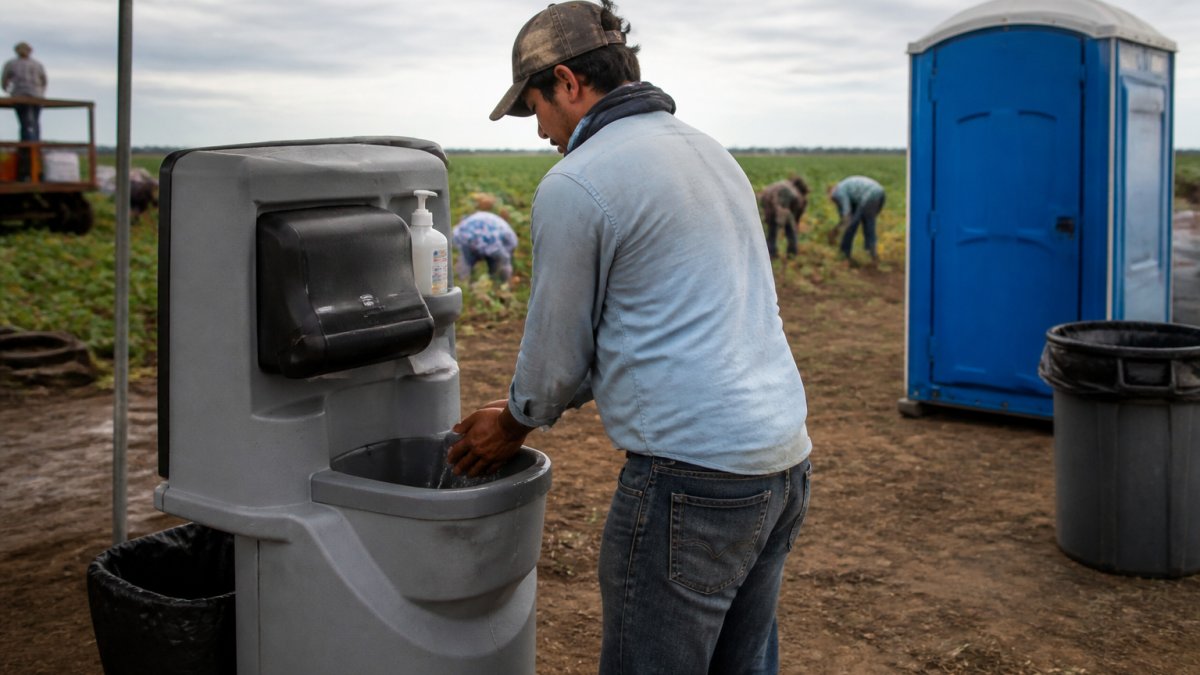
Effective handwashing starts with accessible, well-maintained stations. Workers won't wash their hands if stations are inconvenient, far from work areas, or lack supplies.
Location and Accessibility
Place handwashing stations within 25 feet of harvest areas, restrooms, and break zones. Workers should never have to walk more than a minute to reach one during their shift.
Key placement principles:
- Position stations between fields and packing areas
- Install at least one station per 20 workers
- Ensure stations are visible and easy to find
- Locate near restrooms so workers can wash after using facilities
- Add stations at entry points to prevent contamination before work begins
Accessibility matters as much as location. Stations must be reachable for workers of all abilities. Height should allow both tall and short workers to use them comfortably. Provide step stools if needed. Make sure the ground around stations stays dry and slip-free.
Soap, Hand Sanitizer, and Drying Supplies
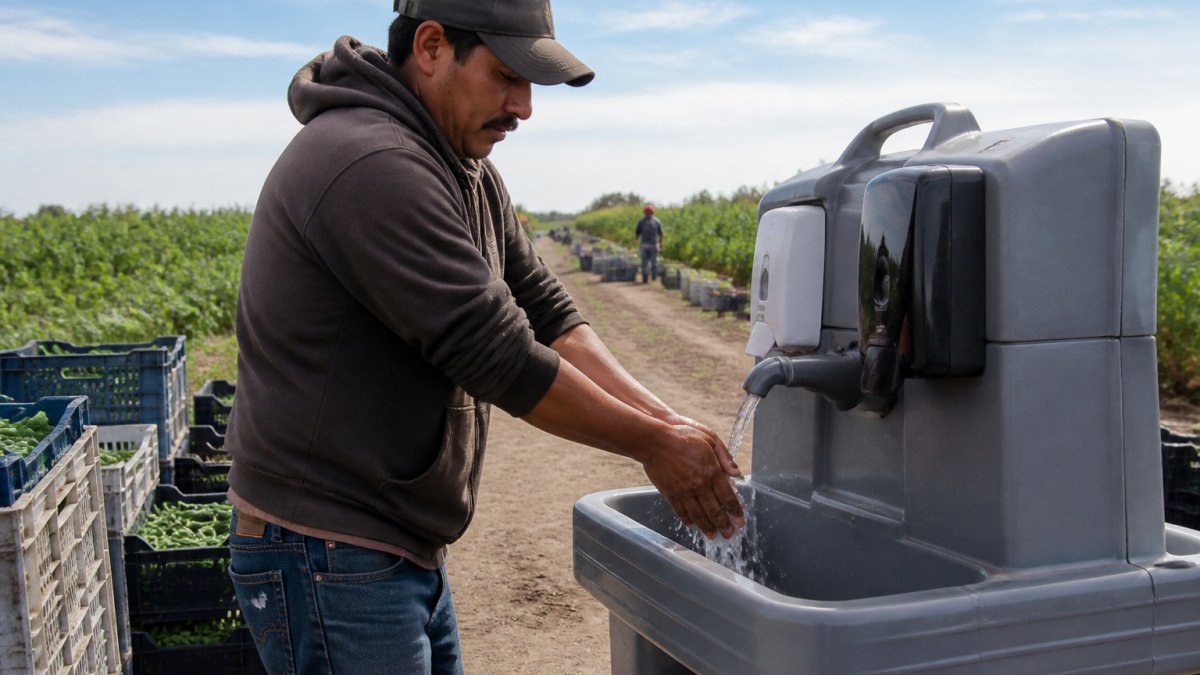
Running water alone doesn't remove all pathogens. You need soap, hand sanitizer, and clean drying methods.
Stock each station with:
- Liquid soap (bar soap can harbor bacteria)
- Hand sanitizer with at least 60% alcohol (the CDC)
- Single-use paper towels or air dryers
- Trash receptacles for used towels
- Signage showing proper handwashing steps
Check supplies daily. Empty soap dispensers and depleted sanitizer bottles stop workers mid-wash. This defeats the entire purpose. Assign a staff member to inspect and refill stations every morning and afternoon.
For seasonal operations, portable stations need extra attention. Ensure water lines don't freeze in cold months and that supplies are replenished frequently during peak harvest periods.
Farm Worker Handwashing: When and How
Handwashing prevents contamination at critical moments. But workers need to know exactly when to wash and how to do it correctly.
Critical Handwashing Moments
Workers must wash their hands at these specific times:
- Before starting work
- After using restrooms
- After eating, drinking, or smoking
- After touching hair, face, or body
- After handling animals or animal waste
- After touching soil or contaminated surfaces
- After touching garbage or waste
- Before handling produce
- After any break or extended pause in work
- Whenever hands become visibly soiled
Post clear signage at handwashing stations and restrooms listing these moments. Use pictures alongside text so workers with limited English literacy understand the requirements.
Step-by-Step Handwashing Procedure
Teach workers this six-step process:
- Wet hands with clean running water
- Apply soap and rub hands together for at least 20 seconds
- Scrub between fingers, under nails, and up the forearms
- Rinse thoroughly under running water
- Dry completely with single-use towels or air dryers
- Dispose of towels in designated trash containers
Twenty seconds matters. Many workers rush and wash for only 5-10 seconds, which leaves pathogens behind. Use a timer or teach workers to sing the alphabet twice while washing. This simple habit ensures adequate scrubbing time.
For workers handling fresh produce directly, handwashing becomes even more critical. Unwashed hands transfer bacteria straight to the crops. Emphasize this connection during training so workers understand why the procedure exists.
Portable Restrooms for Farm Workers: Access and Maintenance
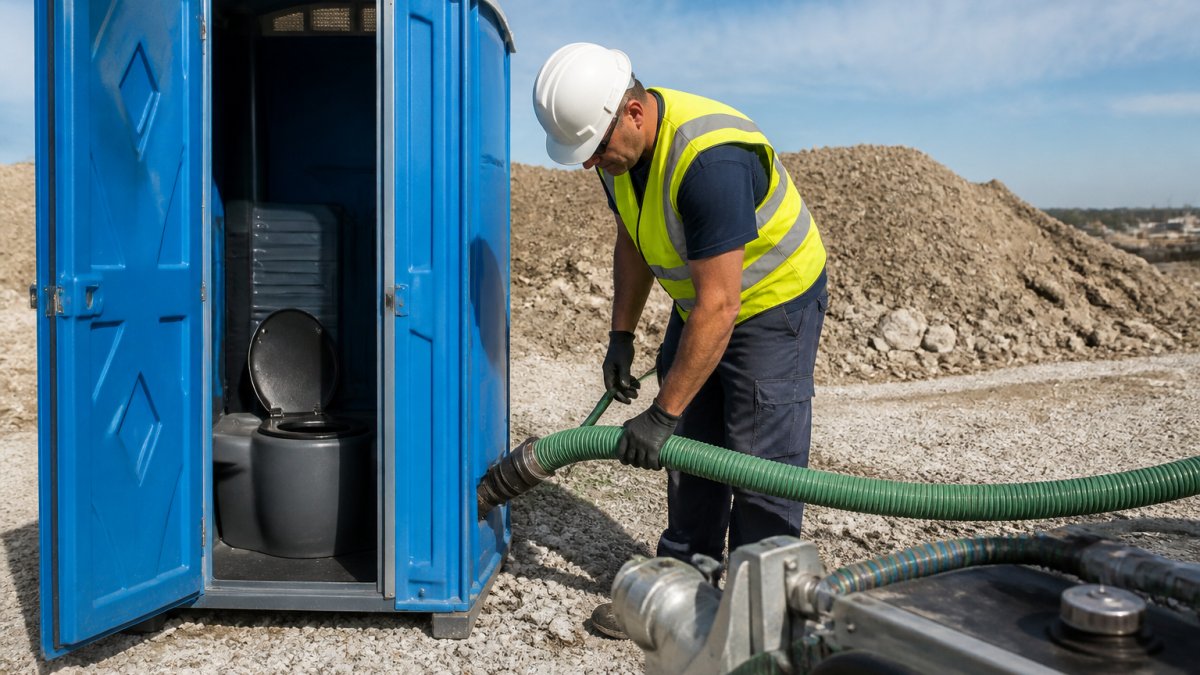
Clean restroom facilities support good hygiene. Without them, workers resort to unsanitary practices that contaminate soil and produce.
Restroom Placement and Cleaning Schedule
Provide at least one portable restroom per 20 workers. Place units within 200 feet of work areas so workers don't abandon hygiene practices out of inconvenience.
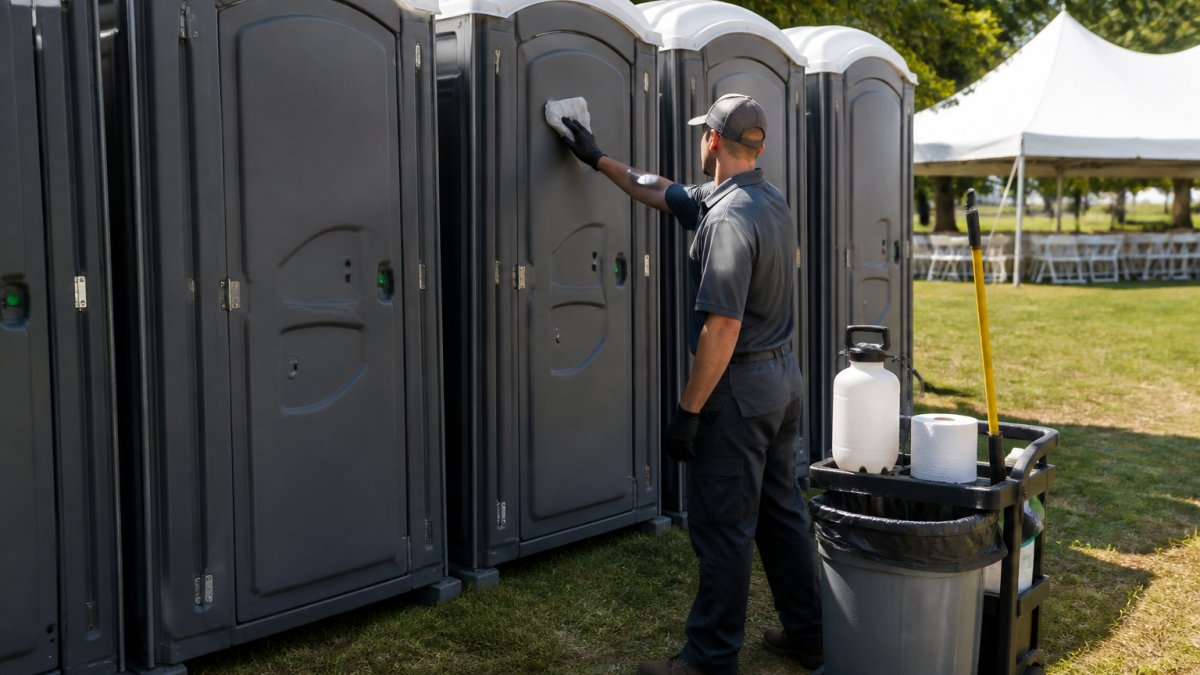
Establish a daily cleaning schedule:
- Empty waste and sanitize seats each morning before work begins
- Restock toilet paper and soap throughout the day
- Clean and disinfect units again at end of shift
- Check units hourly during peak work periods for maintenance issues
Ensure restroom doors lock and provide privacy. Workers are more likely to use clean, private facilities than open or unsanitary ones. Patriot Solutions delivers and maintains portable restrooms specifically designed for agricultural operations, ensuring your crew has access to clean facilities that support farm worker hygiene standards.
Document all cleaning and maintenance in a log. This creates accountability and provides proof of compliance if audits occur.
Farm Worker Hygiene Training: Building Compliance
Training transforms hygiene from a suggestion into a workplace habit. Without it, workers won't understand why practices matter or how to execute them correctly.
Onboarding New and Seasonal Workers
Every worker, including seasonal and temporary staff, needs hygiene training before starting work. Don't assume experience means knowledge.
Cover these topics in initial training:
- Why farm worker hygiene prevents foodborne illness
- When handwashing is required
- How to wash hands correctly
- Restroom use and sanitation
- Illness reporting procedures
- Personal hygiene expectations
- Clean work attire requirements
- Preventing cross-contamination
Train workers in small groups so you can answer questions and demonstrate procedures. Use real handwashing stations so workers practice with actual equipment.
Document training completion. Keep records showing who attended, when they trained, and what topics were covered. This proves compliance to auditors and helps identify knowledge gaps.
For seasonal workers who return annually, conduct refresher training at the start of each season. Compliance knowledge fades over time, and new best practices may have emerged.
Multilingual and Accessible Training Materials
Many farms employ workers with varying English proficiency levels. Provide training materials in workers' primary languages.
Create training resources that include:
- Step-by-step photos or videos showing proper handwashing
- Illustrated posters for handwashing stations
- Written guides in Spanish and other relevant languages
- Verbal explanations during group training sessions
- One-on-one demonstration for workers who need extra support
Video training works particularly well for visual learners. Show workers performing tasks correctly, then show common mistakes. This approach transcends language barriers and reinforces best practices through repetition.
Farm Sanitation Checklist: Monitoring and Documentation
Monitoring ensures hygiene practices continue after training ends. Regular inspections catch problems before they become contamination risks.
Daily and Weekly Inspection Tasks
Conduct daily inspections of all hygiene facilities:
- Check handwashing stations for adequate soap and sanitizer
- Verify water flow and temperature at all stations
- Inspect restrooms for cleanliness and supply levels
- Observe workers' handwashing compliance
- Note any visible contamination or maintenance issues
Weekly inspections should cover:
- Deep cleaning of all handwashing stations
- Restroom sanitization and disinfection
- Removal of clutter or debris from work areas
- Assessment of break areas for cleanliness
- Review of worker illness reports
Create a simple checklist form so inspections stay consistent. Use the same form every week so you can track trends and identify recurring problems.
Recording Corrective Actions
When inspections reveal problems, document what you found and how you fixed it. This creates an audit trail proving your farm takes hygiene seriously.
For each issue, record:
- Date and time of inspection
- What problem was identified
- Who was responsible for correction
- What action was taken
- When the correction was completed
- Who verified the fix
If a worker fails to wash hands at a critical moment, note the incident and provide additional training. If a handwashing station runs out of soap, document when you refilled it. These records demonstrate due diligence if regulatory inspections occur.
Personal Hygiene and Clean Work Attire
Worker behavior extends beyond handwashing. Personal hygiene habits and clean clothing prevent contamination throughout the workday.
Workers must maintain these practices:
- Wear clean work clothes each day
- Keep hair tied back or covered
- Avoid wearing jewelry that could fall into produce
- Keep fingernails trimmed and clean
- Refrain from smoking, eating, or drinking near harvest areas
- Cover cuts or wounds with bandages before handling produce
- Report illness symptoms immediately
Illness reporting deserves special emphasis. Workers with fever, sore throat, coughing, sneezing, or diarrhea should not handle produce. Create a simple reporting system so workers can notify supervisors without fear of punishment. Many workers fear losing pay if they report illness, so establish a clear policy that sick workers stay home and receive paid leave.
Preventing Contamination During Harvesting and Handling
Contamination prevention extends beyond individual hygiene into workflow practices. How workers harvest, transport, and store produce matters as much as how clean their hands are.
Establish these contamination-prevention practices:
- Harvest into clean containers only
- Avoid placing produce on soil or dirty surfaces
- Keep harvested crops away from animals and waste
- Transport produce in covered vehicles to prevent exposure
- Store produce in clean, temperature-controlled areas
- Separate different crops to prevent cross-contamination
- Wash or sanitize harvest containers and equipment between uses
Train workers to recognize contamination risks. If they see produce dropped in soil, they should discard it rather than wash and reuse it. If harvest containers are dirty, they should clean them before use.
Document all harvesting and handling procedures. This becomes critical evidence if a contamination incident occurs. Regulatory agencies will ask how your farm prevents cross-contamination, and written procedures prove you have a system in place.
Maintaining rigorous farm worker hygiene standards protects your produce, your workers, and your customers. When your team has access to clean, reliable facilities, compliance becomes automatic. For current guidance on agricultural sanitation standards and the FDA's Produce Safety Rule requirements, consult official regulatory resources to ensure your farm meets all compliance obligations.
| Task | Frequency | Responsibility | Documentation |
|---|---|---|---|
| Handwashing station inspection | Daily | Farm supervisor | Checklist form |
| Restroom cleaning | Daily | Assigned staff | Cleaning log |
| Worker hygiene training | New hire + annually | Farm manager | Training records |
| Facility deep clean | Weekly | Maintenance team | Inspection report |
| Contamination incident review | As needed | Farm management | Incident log |
Frequently Asked Questions
When should farm workers wash their hands?
Farm workers must wash hands before starting work, after using restrooms, after eating or smoking, after touching animals or soil, and before handling fresh produce. Handwashing is critical at each transition between tasks to prevent microbial contamination. Workers should also wash hands after touching their face, hair, or clothing, and immediately after any activity that may introduce pathogens. Frequent reminders and signage at key work areas reinforce compliance.
What hygiene facilities should farms provide for workers?
Farms must provide accessible handwashing stations with clean running water, soap, and hand drying supplies positioned within a reasonable walking distance of work areas. Portable restrooms for farm workers should be placed at least 100 feet from water sources and harvesting areas, cleaned regularly, and stocked with toilet paper and hand sanitizer. Break areas should be separate from production zones to prevent food contamination. All facilities must comply with local health and sanitation regulations.
How can farm managers train workers on hygiene practices?
Develop farm worker hygiene training that covers handwashing procedures, illness reporting, and contamination prevention. Conduct training during onboarding and annually thereafter, with refresher sessions for seasonal and temporary workers. Use multilingual materials and visual aids to ensure comprehension across diverse crews. Document training completion and maintain records. Include practical demonstrations at actual handwashing stations and restroom facilities. Assign supervisors to monitor compliance and provide corrective coaching when needed.
How often should farm restrooms and handwashing stations be cleaned?
Handwashing stations should be checked and restocked daily, with soap and sanitizer replenished as needed. Portable restrooms for farm workers require cleaning at minimum twice weekly, or more frequently if usage is heavy. During peak harvesting seasons, increase cleaning frequency to maintain sanitary conditions. Maintain a cleaning log documenting date, time, and person responsible. Ensure water lines are flushed regularly and that supplies never run out during work hours, as empty stations force workers to skip handwashing.