 how-to
How to Manage Portable Toilet Hygiene at Public Events
Table of Contents
- Why Portable Toilet Hygiene Makes or Breaks Your Event
- Portable Toilet Placement for Events: Location Rules That Cut Complaints
- Build a Portable Toilet Cleaning Schedule for Events
- Your Event Restroom Supply Checklist: What to Stock Before Doors Open
- Portable Restroom Handwashing Stations: Setup and Refill Basics
- How to Handle Peak Hours, Lines, and Mid-Event Problems
- Common Mistakes That Undo Portable Toilet Hygiene
- Conclusion: Keep Your Event Clean and Your Guests Comfortable
- Frequently Asked Questions
Last Updated: October 12, 2026
Why Portable Toilet Hygiene Makes or Breaks Your Event
Portable toilet hygiene is the single most common complaint at outdoor events, and it is also the easiest problem to prevent. A dirty restroom area can quickly turn a good event into a bad memory. Guests remember two things: how long they waited, and what the unit looked like when they opened the door.
Get the hygiene plan right, and nobody talks about the restrooms at all. That is the goal. Below, we break down placement, cleaning schedules, supplies, and the mid-event problems most organizers miss.
Portable Toilet Placement for Events: Location Rules That Cut Complaints
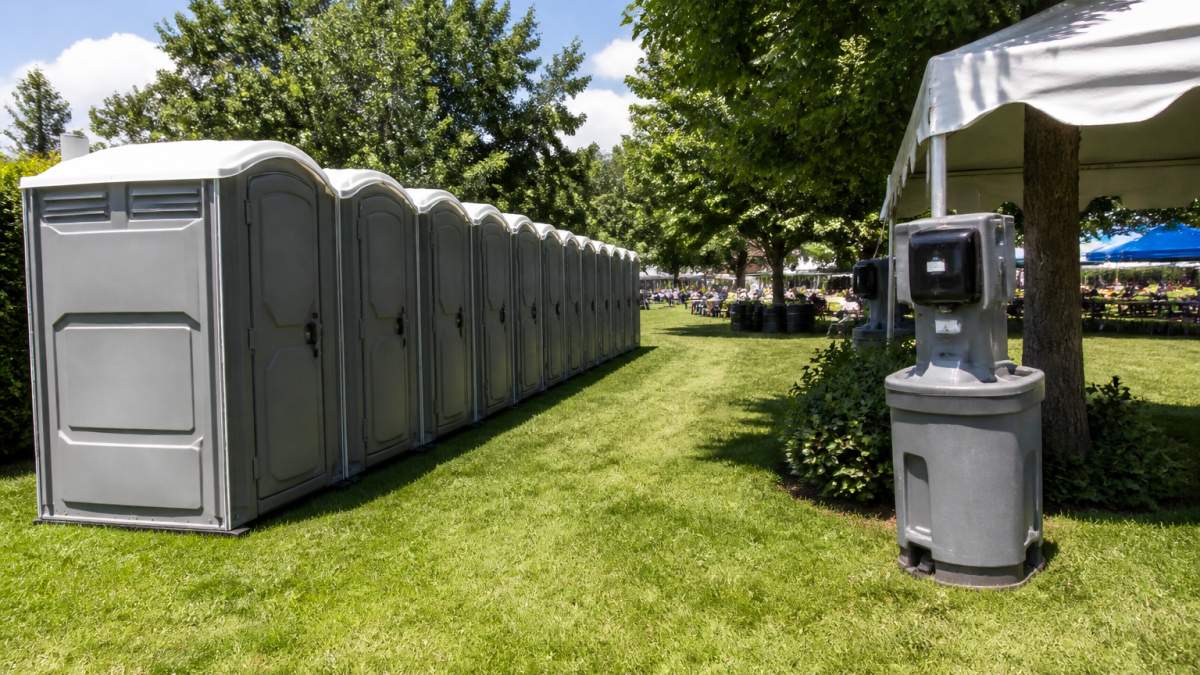
Placement decides hygiene before the first guest arrives. A unit in full sun with no shade will smell worse by mid-afternoon than the same unit under a tree line.
Follow these rules:
- Keep units on level, well-drained ground. Standing water breeds odor fast.
- Leave at least 1 meter of clearance around each unit for cleaning access.
- Place handwashing stations within sight of the restroom row, not across the field.
- Move units away from food service areas. Odor travels.
- Add lighting for evening events. Dark restroom areas get misused.
Build a Portable Toilet Cleaning Schedule for Events
A portable toilet cleaning schedule for events should match your guest count and event length, not a fixed routine. A four-hour farmers market needs far less attention than a two-day festival.
Here is a simple framework we use:
| Event Type | Service Frequency | Why |
|---|---|---|
| Short event, under 4 hours | One pre-event service, one mid-event check | Low volume, quick turnaround |
| Full-day event | Service every 3 to 4 hours | Peak use builds up fast |
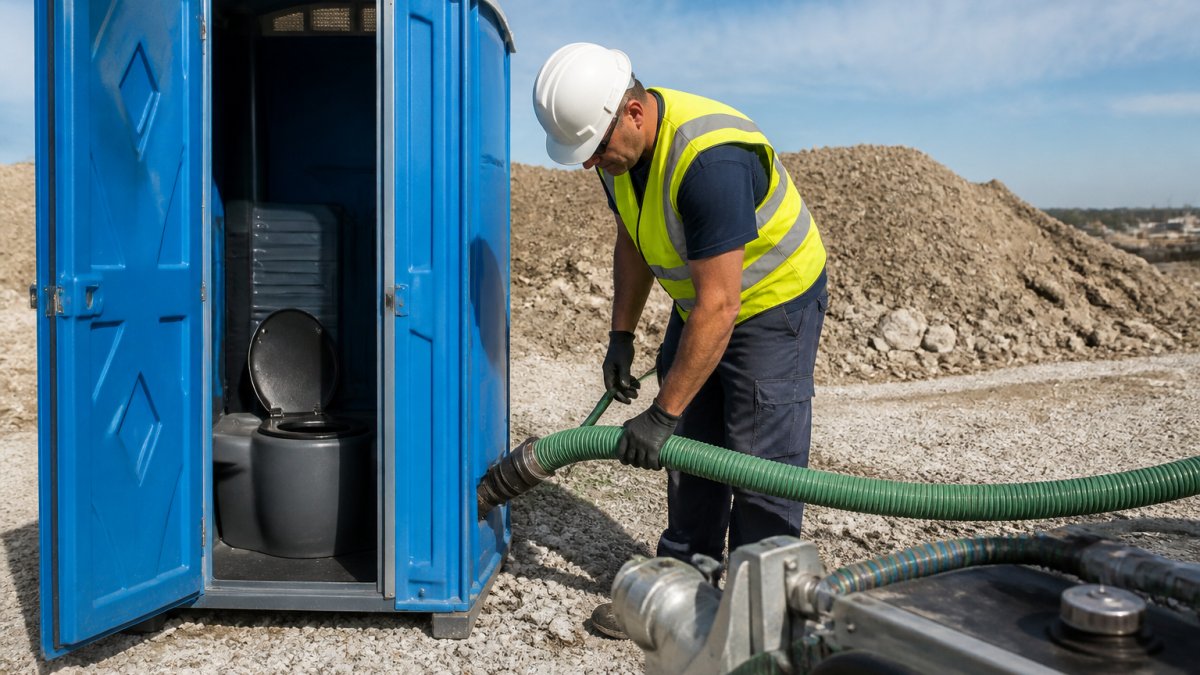
| Multi-day festival | Service twice daily, plus overnight restock | Overnight use still happens |
| Wedding or formal event | Service before doors and once mid-event | Presentation matters most |
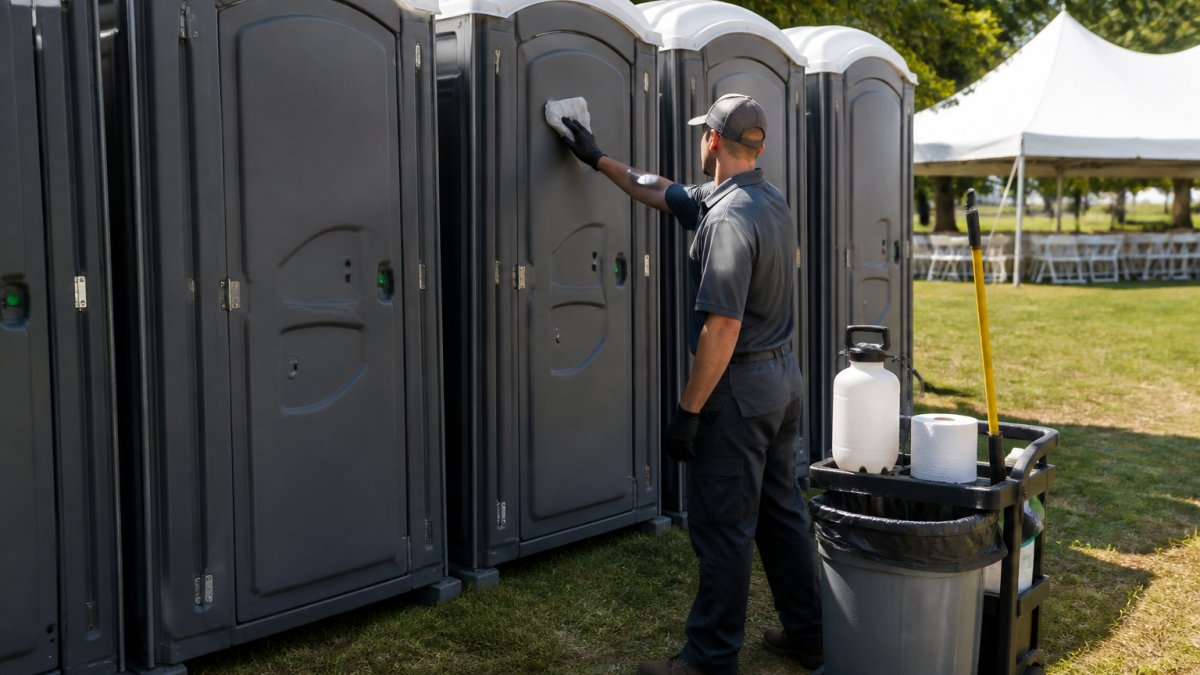
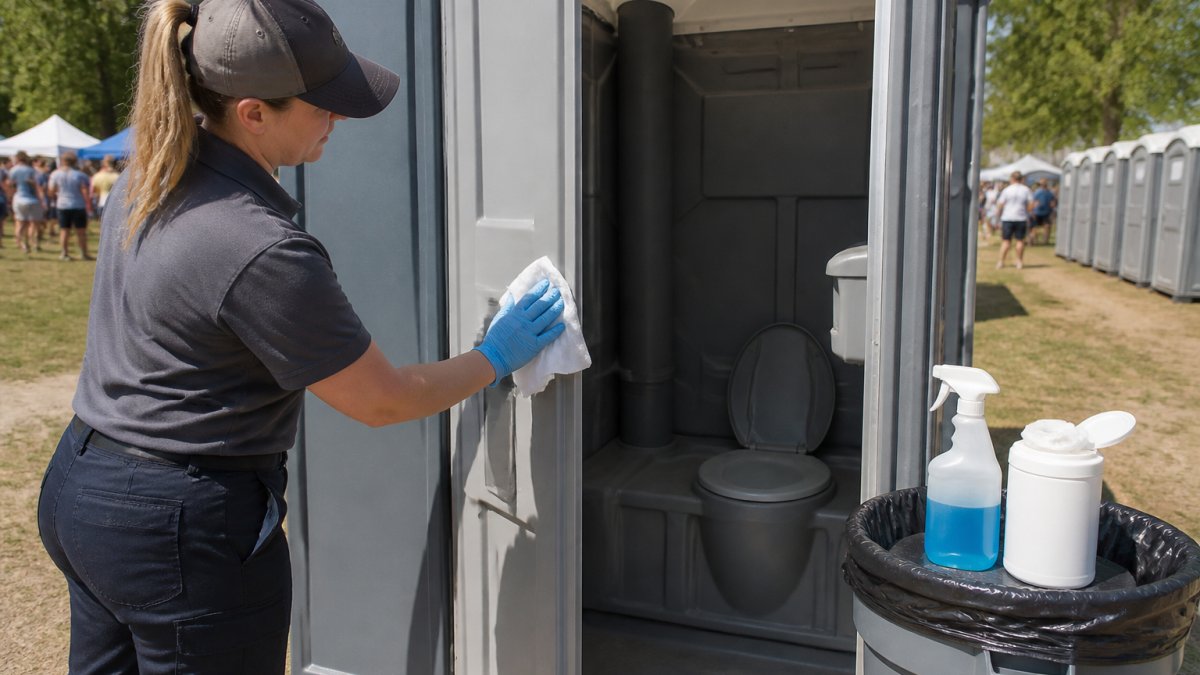
Assign one person to walk the restroom row on a set schedule. That person restocks paper, checks for clogs, and reports problems early.
Your Event Restroom Supply Checklist: What to Stock Before Doors Open
An event restroom supply checklist prevents the mid-event scramble for paper towels. Stock more than you think you need, then store the extras near the restroom area.
- Toilet paper, at least two spare rolls per unit
- Hand soap refills
- Paper towels or air dryers
- Sanitizer for the cleaning crew
- Trash bags sized to the bins
- Gloves and cleaning solution
- A lock and key for each service panel
Many organizers understock paper and overstock everything else. Paper runs out first, every time.
Portable Restroom Handwashing Stations: Setup and Refill Basics
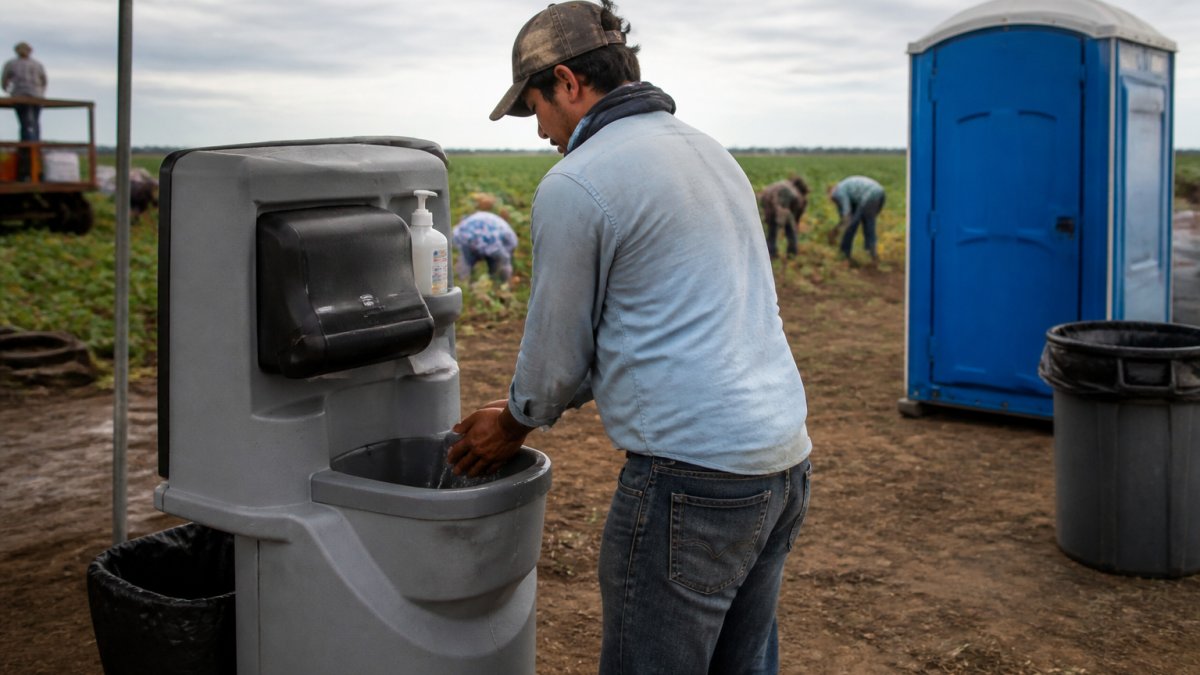
Portable restroom handwashing stations are not optional for events serving food, and health departments often require them. Set them up before guests arrive, not after.
Basic setup steps:
- Place stations on level ground near the restroom row.
- Fill fresh water tanks and check soap dispensers.
- Confirm the wastewater tank is empty and sealed.
- Test the foot pump or hands-free mechanism.
- Check refill levels every few hours during the event.
Refill timing depends on guest count. A busy station can empty its fresh water tank in a few hours, so build refills into your cleaning schedule.
How to Handle Peak Hours, Lines, and Mid-Event Problems
Peak-hour restroom problems are predictable, which means you can plan for them. Lines form right after meals, during intermissions, and at the end of the night.
What works:
- Add extra units for events over 200 guests.
- Post a second restroom area on the opposite side of the venue.
- Keep one staff member near the restroom row during peak windows.
- Have a backup unit on standby for clogs or overflows.
The most common mid-event problem is a clogged unit. Trained staff can usually clear it in minutes. Waiting too long turns one clog into a line of frustrated guests.
CDC guidance on handwashing in public settings
Common Mistakes That Undo Portable Toilet Hygiene
A few repeated mistakes undo all the planning. We see the same ones at events of every size.
- Placing units in direct sun with no shade
- Skipping the mid-event cleaning window
- Running out of paper and soap
- Ignoring handwashing stations entirely
- Waiting too long to report a clog or overflow
Each of these is easy to fix with a written plan and one assigned person. The plan matters more than the equipment.
Conclusion: Keep Your Event Clean and Your Guests Comfortable
Clean restrooms are a logistics problem, not a luck problem. Build a placement plan, a cleaning schedule, and a supply list before the event, then assign one person to own it. That is how you manage portable toilet hygiene at public events without a single complaint.
Patriot Solutions provides essential sanitation services, specializing in portable restrooms and roll-off dumpsters for the Delta, Utah area. We are committed to delivering clean, high-quality equipment paired with fast, dependable local service to meet your project needs. Our team prioritizes reliability and responsibility, ensuring you receive professional support you can count on every time. Get started with Patriot Solutions and keep your event clean from the first guest to the last.
Frequently Asked Questions
How often should portable toilets be cleaned during an event?
A standard rule is one service visit per unit per day for events under 250 people. For larger gatherings or multi-day festivals, schedule cleaning every 4 to 6 hours during peak use. If your event runs longer than 8 hours or serves more than 500 people, plan for a mid-day pump-out and restock. Patriot Solutions can build a cleaning schedule around your event timeline so units stay fresh from start to finish.
What supplies should be available at portable restrooms?
Your event restroom supply checklist should include toilet paper (at least 2 rolls per unit), hand sanitizer, paper towels, and a stocked handwashing station with soap and water. Keep a backup bin with extra supplies on site so a quick restock takes minutes, not a trip back to town. Assign one staff member to check supplies every two hours and log what gets replaced.
Where should portable toilets be placed at an outdoor event?
Place portable toilets on level, well-drained ground at least 200 feet from food service areas and 100 feet from stages or seating. Keep them visible but not in the main sightline, and make sure a lit path leads to them after dark. For events with more than 250 guests, split units into two or three clusters to reduce walking distance and prevent long lines at a single location.
Do public events need portable handwashing stations?
Yes. Any event serving food or drinks should have handwashing stations near the restrooms and food areas. The Centers for Disease Control and Prevention recommends handwashing with soap and water for at least 20 seconds, and a station with running water and soap makes that possible. Plan one handwashing station for every 100 guests, and refill water and soap at the same time you service the toilets.