 how-to
How to Rent a Roll Off Dumpster for Yard Waste
Table of Contents
- Step 1: Assess Your Yard Waste Volume and Pick a Dumpster Size
- Step 2: Know What You Can and Cannot Put in a Yard Waste Roll Off Dumpster
- Step 3: Understand Yard Waste Dumpster Rental Cost and Weight Limits
- Step 4: Schedule Delivery, Placement, and Pickup
- Permits, Municipal Regulations, and Seasonal Yard Waste Tips
- Composting vs. Dumpster Rental: Which Fits Your Project?
- Frequently Asked Questions
Last Updated: September 15, 2026
Step 1: Assess Your Yard Waste Volume and Pick a Dumpster Size
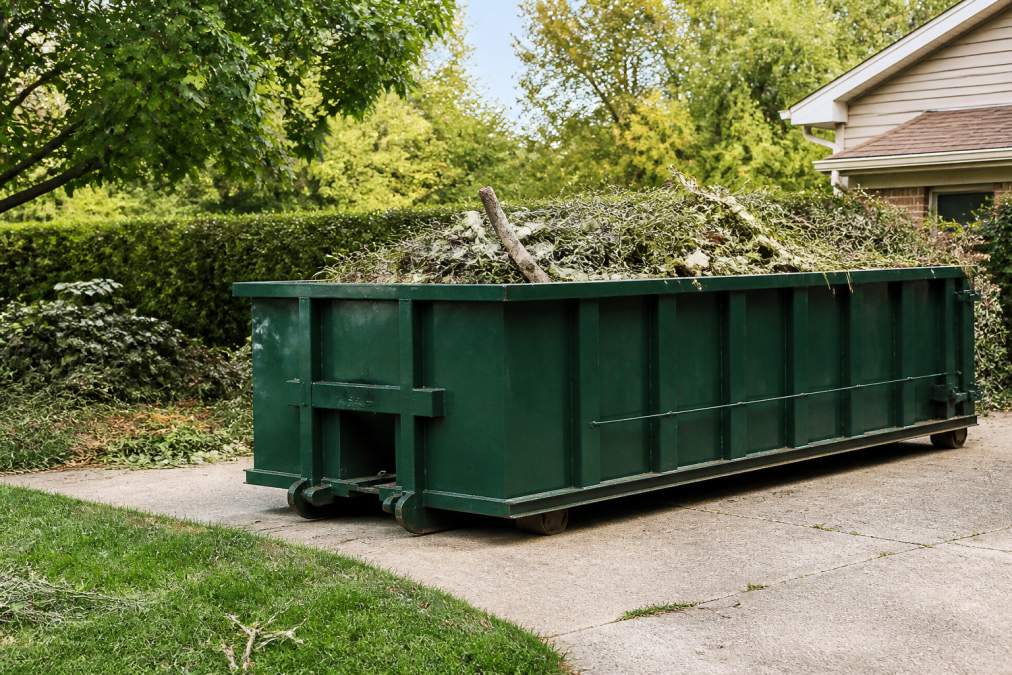
Renting a roll off dumpster for yard waste starts with one honest question: how much debris will your project actually produce? Most homeowners underestimate by a wide margin. A single mature oak can generate more brush than a pickup truck can carry in three trips, and that is before you factor in root balls and sod. This guide from Patriot Solutions walks through the sizing, rules, and scheduling decisions that prevent overage fees and mid-project surprises.
The core rule of thumb: one cubic yard of dumpster space holds roughly what fits in a standard wheelbarrow loaded eight to ten times. That sounds generous until you start stacking limbs.
Matching Cubic Yard Capacity to Common Yard Projects
A 10-yard roll off container handles a typical spring cleanup: grass clippings, hedge trimmings, and a few bags of leaves from a standard quarter-acre lot. Step up to a 15-yard unit for a full brush removal job with several medium trees. For a large landscaping debris project that includes soil, sod, and stump grinding, a 20-yard container gives you breathing room without paying for space you will not fill.
How Much Room Tree Limbs, Brush, and Soil Actually Take Up
Tree limbs and brush do not compact neatly. Loose branches leave 40-60% of a container's cubic yard capacity as empty air (Incident Waste Decision Support Tool (I-WASTE DST)). If you are loading tree limbs longer than a few feet, expect to use roughly double the space you estimated.
Soil and sod are the opposite problem. They are dense and heavy, which means a container that looks half empty can already be at its weight allowance. Grass clippings and yard trimmings fall somewhere in between: light enough to fill the volume, but they settle and mat down over a few days.
Step 2: Know What You Can and Cannot Put in a Yard Waste Roll Off Dumpster
A yard waste roll off dumpster accepts organic material only: branches, brush, leaves, grass, and untreated wood. Anything treated, painted, or bagged in plastic can trigger extra charges or a rejected load.
That distinction matters more than most renters expect. Contamination is the single most common reason a load gets flagged at the disposal facility, and the fee lands on you.
Acceptable Organic Waste and Landscaping Debris
Safe to load:
- Tree limbs, branches, and brush removal debris
- Grass clippings, leaves, and yard trimmings
- Shrub and hedge trimmings
- Untreated lumber and natural wood scraps
- Sod, soil, and root balls (check weight limits first)
- Garden plant waste and spent annuals
Prohibited Materials That Trigger Extra Fees
These items do not belong in a yard waste container, and mixing them in can convert your load to a higher-priced construction debris rate:
- Plastic bags, even "biodegradable" ones
- Pressure-treated, painted, or stained lumber
- Concrete, brick, rock, and dirt in large quantities
- Appliances, tires, and electronics
- Any household hazardous waste: paint, solvents, motor oil, pesticides
Step 3: Understand Yard Waste Dumpster Rental Cost and Weight Limits
Yard waste dumpster rental cost depends on three variables: container size, rental period, and weight. Most providers quote a flat-rate price that bundles delivery, pickup, and a set tonnage allowance. Anything above that allowance is billed per ton as an overage fee.
Because pricing varies by location, container size, and current disposal rates, the most reliable approach is to request a written quote that states the included tonnage limit and the per-ton overage charge before you commit.
Flat-Rate Pricing vs. Tonnage Overage Fees
A flat-rate quote covers the container, delivery, pickup, and a defined weight allowance. The overage fee is what catches people off guard. Brush and limbs are light, so you rarely hit the limit. Soil, sod, and root balls are heavy, so a load that looks half full can push past the allowance.
| Load Type | Volume Risk | Weight Risk | Best Container |
|---|---|---|---|
| Grass clippings, leaves | High (fills fast) | Low | 10-yard |
| Tree limbs, brush | Very high (air gaps) | Low | 15-yard |
| Mixed yard cleanup | Medium | Medium | 15-20 yard |
| Soil, sod, root balls | Low | Very high | 10-yard, weighed |
How to Estimate Weight Before You Order
You do not need a scale to avoid an overage. Use these working densities that most haulers and disposal facilities rely on when they set tonnage allowances:
- Loose brush and limbs: roughly 150-250 lb per cubic yard. A 15-yard container packed with dry brush typically lands well under a 2-ton allowance.
- Leaves and grass clippings: roughly 300-400 lb per cubic yard when loose, and noticeably heavier once they mat and settle after a rain.
- Sod and soil: roughly 1,000-1,300 lb per cubic yard. This is the category that blows past allowances. A 10-yard container of soil can exceed 5 tons.
- Root balls with attached soil: treat as soil weight, plus the mass of the root itself.
Multiply your estimated cubic yards by the density range for your dominant material. If the result is within 80% of the quoted tonnage allowance, either downsize the container, split the load across two pickups, or ask about a heavier-duty container rated for dense debris.
Questions to Ask Before You Sign
- What is the included tonnage allowance, in tons?
- What is the per-ton overage charge, and is it prorated or billed in full-ton increments?
- Is there a separate fee if the load is reclassified as construction debris due to contamination?
- Does the quoted price include fuel, environmental, and administrative surcharges, or are those added at pickup?
- If I exceed the allowance, can I schedule a swap instead of paying overage?
Step 4: Schedule Delivery, Placement, and Pickup
Delivery scheduling usually runs one to three business days out, though rural service areas can take longer. When you book, confirm the drop window, the pickup request process, and how long the container can stay.
Driveway-Safe Placement and Curbside Positioning
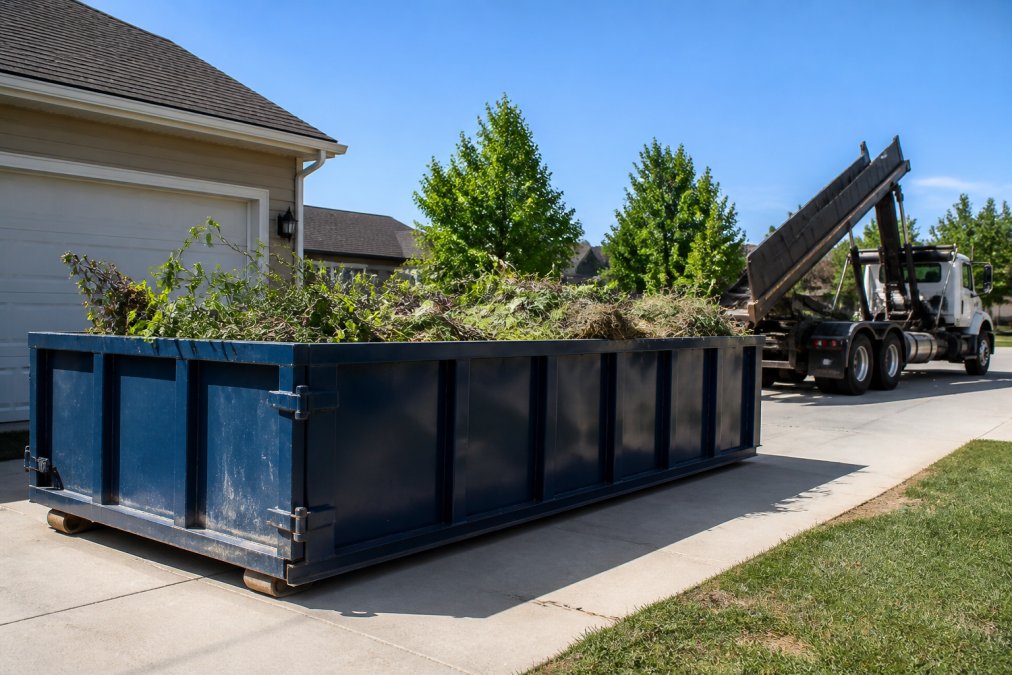
A loaded roll off container can weigh several tons, so placement matters. Driveway-safe placement means putting down plywood or boards under the rails to protect asphalt and concrete from cracking. Curbside placement works for street-side pickups, but many municipal regulations require a permit for anything left in the public right-of-way. Keep the container clear of overhead power lines and leave room for the truck to approach and lift.
How Long Can You Keep the Roll Off Container?
Standard rental periods run seven to fourteen days (the EPA). Longer projects, like a multi-week landscaping overhaul, usually need an extended rental agreement with a per-day rate. Ask about the pickup request process when you book: some providers need 24-48 hours' notice, and a missed pickup window can mean another day on the rental clock.
Permits, Municipal Regulations, and Seasonal Yard Waste Tips
How to Check Whether You Need a Permit
Permit requirements vary widely, but the rule of thumb is simple: private property placement usually needs no permit, public right-of-way placement almost always does.
To confirm before you book:
Seasonal Yard Waste Profiles
Coordinating With Municipal Collection Programs
Composting vs. Dumpster Rental: Which Fits Your Project?
Frequently Asked Questions
Can you put yard waste in a roll off dumpster?
Yes, organic yard waste like grass clippings, leaves, brush, tree limbs, and small branches can go into a roll off dumpster. Soil and sod are usually accepted but weigh a lot, so keep the load under your tonnage limit. Never mix in prohibited materials like paint, chemicals, or treated lumber, since those require separate disposal and can trigger fees.
What size dumpster do I need for yard waste?
A 10 to 15 cubic yard container handles most spring cleanup and small landscaping debris. For larger tree removal or a full yard renovation with soil and sod, a 20 cubic yard dumpster gives you more room. Match the size to your debris volume and weight, since heavy loads like dirt hit tonnage limits before they fill the container.
Are there weight limits for yard waste dumpsters?
Every roll off dumpster rental comes with a set weight allowance, often measured in tons. Grass, leaves, and branches are light, so you rarely hit the limit with those. Soil, sod, and wet debris are heavy and can push you over the tonnage limit fast, which triggers overage fees billed per ton over the allowance.
How much does it cost to rent a dumpster for yard waste?
Yard waste dumpster rental cost depends on container size, rental period, delivery distance, and the weight allowance included. Flat-rate pricing usually covers delivery, pickup, and a set tonnage, with overage fees for extra weight. Contact Patriot Solutions directly for current pricing and a quote tailored to your project.