 how-to
Portable Toilet Cleaning Checklist for Event Organizers
Table of Contents
- Why a Portable Toilet Cleaning Checklist Matters for Events
- Essential Portable Toilet Cleaning Supplies You'll Need
- Pre-Event Setup: Preparing Your Portable Restrooms
- Creating an Event Restroom Cleaning Schedule
- Portable Toilet Inspection Checklist During the Event
- Maintaining a Portable Restroom Maintenance Log
- Post-Event Cleaning and Handoff Procedures
- Common Mistakes to Avoid When Managing Event Restrooms
- Frequently Asked Questions
Last Updated: October 18, 2026
Why a Portable Toilet Cleaning Checklist Matters for Events
Running an event means juggling vendors, timing, guest experience, and logistics. One thing guests notice immediately, and remember for all the wrong reasons, is a dirty restroom.
A portable toilet cleaning checklist keeps facilities ready throughout the event, preventing clogged toilets, empty soap dispensers, and overflowing trash. It protects your reputation and keeps attendees comfortable.
Teams using a structured checklist catch problems early and avoid mid-event crises.
This guide covers building and using a portable toilet cleaning checklist for events: supplies, inspection frequency, what to check, and how to document it, a practical system for 50 guests or 500.
Essential Portable Toilet Cleaning Supplies You'll Need
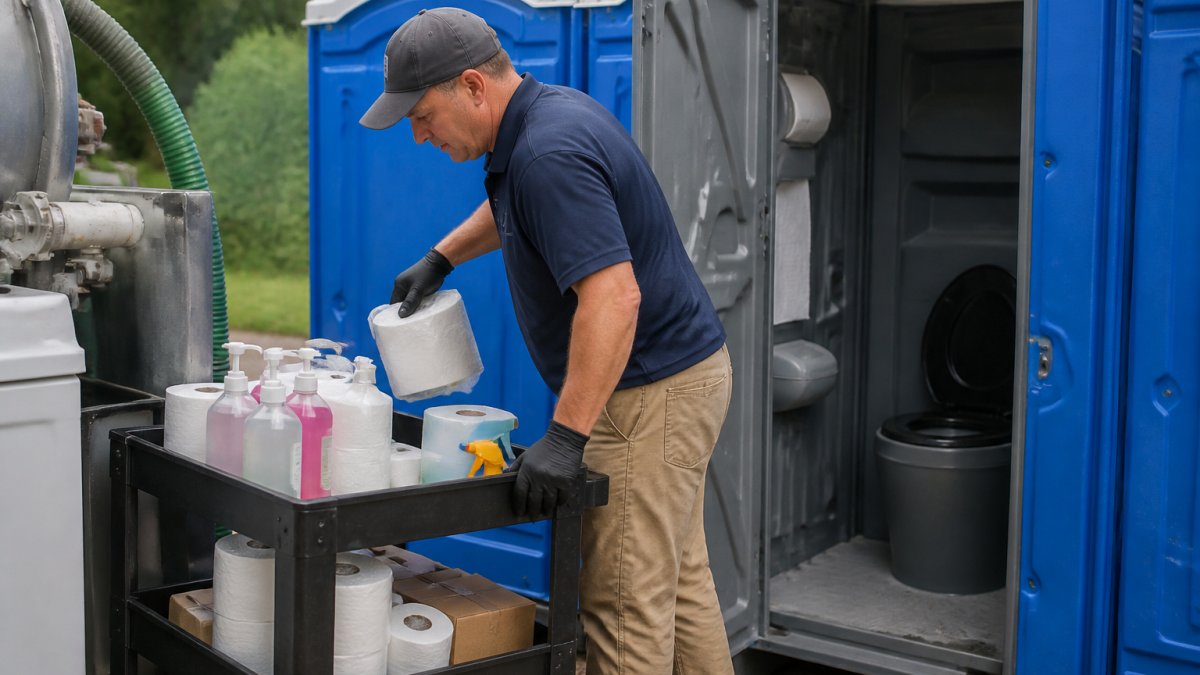
Before you can clean, you need the right gear, running out mid-event creates stress and unhappy guests.
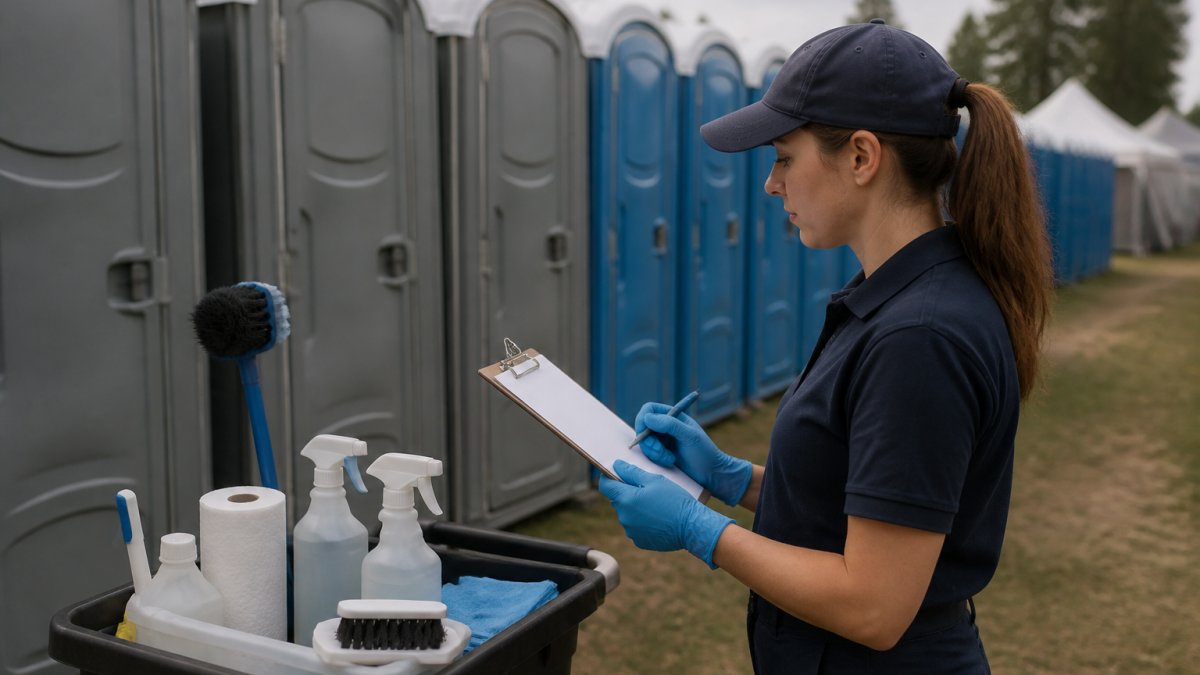
Stock these items before your event starts:
- Rubber gloves (multiple pairs)
- Disinfectant spray or cleaner rated for portable restrooms
- Paper towels or cleaning cloths
- Toilet paper rolls
- Hand soap
- Hand towels or paper towels for drying
- Trash bags and liners
- Antibacterial wipes for high-touch surfaces
- Deodorizer or air freshener
- Plunger (in case of blockages)
- Flashlight or headlamp (for nighttime inspections)
- Clipboard and pen (to document cleaning and restocking)
Keep extra supplies on hand: events run longer than planned and guests use more soap and paper towels than expected.
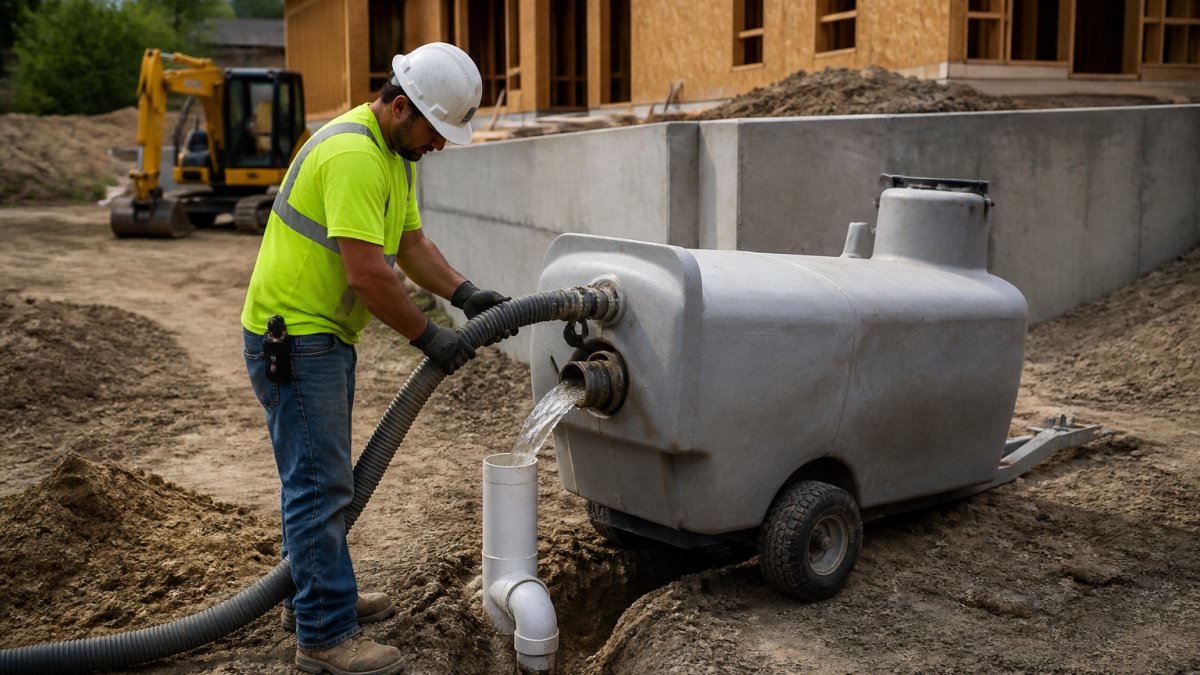
For portable units, you'll also need a water source for refilling and a waste disposal method, coordinate this with your provider before the event. Patriot Solutions delivers fully stocked units and handles servicing.
Pre-Event Setup: Preparing Your Portable Restrooms
Preparation starts days before guests arrive. Don't wait until the event begins to inspect your units.
Schedule delivery and setup early. Get units on site at least a day before the event so you can inspect them, test the plumbing, and request replacements for anything broken or dirty.
Perform an initial inspection. Walk each unit: confirm the toilet flushes, sink runs, and doors lock; check for cracks, damage, or odors; test the soap dispenser and toilet paper; document issues on your checklist.
Stock all supplies. Fill toilet paper, soap, and hand towel dispensers, empty the waste bin, install a fresh liner, and add a trash can if the unit lacks one.
Set up a restocking station nearby. Keep labeled extra supplies in a central, accessible spot to speed up mid-event restocking.
Assign cleaning staff. Decide who checks and cleans restrooms during the event, brief them on the checklist, and ensure they know how to report problems immediately.
If you're unsure about setup, Patriot Solutions handles delivery, ensuring units are clean and ready when they arrive.
Creating an Event Restroom Cleaning Schedule
Timing matters: check too rarely and restrooms get dirty; check too often and you waste staff time.
Start with a baseline frequency by event size and duration.
For small events (under 100 guests, under 4 hours):
- Check at the start
- Check every 2 hours during the event
- Check at the end
For medium events (100-300 guests, 4-8 hours):
- Check at the start
- Check every 1-2 hours during the event
- Check 30 minutes before closing
For large events (300+ guests, 8+ hours):
- Check at the start
- Check every 1 hour during the event
- Check 30 minutes before closing
- Assign a dedicated staff member if possible
Then layer in usage peaks. Demand surges in the first 30-60 minutes after gates open, around meal service or intermission, and in the final hour as guests leave.
Build a staffing plan, not just a schedule. One staff member can cover 4-6 clustered units per cycle; spread-out sites mean fewer units per person or a second staffer.
Create a written schedule and post it. Include time, zone or unit IDs, the assigned person, and space to initial when complete. A schedule without initials is just a wish list.
Tie the schedule to the inspection log. Every check should produce a log entry: time, unit ID, condition, supplies restocked, corrective action, and initials.
Plan the handoff between shifts. For longer events, rotate staff through restroom checks. A written handoff, what was checked, what's low, what's broken, prevents the next shift from starting blind and prevents burnout.
Document the schedule itself. Keep a copy with your event paperwork, the schedule plus completed inspection log proves you planned and executed a real cleaning program if a guest complains or a provider asks.
Portable Toilet Inspection Checklist During the Event
This is where preparation pays off. Regular inspections catch problems before guests complain, but only if the checklist is built for portable units, not indoor restrooms.
Use this checklist every time you inspect a portable unit:
- Unit ID recorded (e.g., Unit 1, Unit 2, match the number on the door or your delivery paperwork)
- Time of inspection recorded
- Toilet seat and bowl are clean and dry
- Toilet paper is stocked (check the spare roll, not just the active one)
- Hand soap or hand sanitizer is stocked and dispensing
- Hand towels or paper towels are stocked
- Waste level is below the safe line, no visible backup or standing liquid
- No clogs or water backup
- Door latch, hinge, and lock operate correctly
- Walls, floor, and ceiling show no cracks, holes, or damage
- Trash bin is not overflowing and liner is intact
- No strong odor beyond normal deodorizer scent
- Deodorizer or air freshener is present and working
- High-touch surfaces (door handle, latch, soap dispenser, sanitizer pump) are clean
- Interior light (if equipped) works
- Unit is stable, no tipping, rocking, or loose base
- Access path to the unit is clear and lit
Wipe down high-touch surfaces during each check. Use antibacterial wipes on the door handle, latch, soap dispenser, and sanitizer pump, plus the seat and interior door handle, guests touch both more than you expect.
Know the difference between routine cleaning and professional servicing. Routine cleaning is staff work between guests: restocking, wiping surfaces, emptying trash, spot-cleaning the seat.
Escalate immediately when you see any of these:
- Waste level at or above the safe line, or any backup into the bowl
- A clog you cannot clear with a plunger in one attempt
- A cracked tank, leaking base, or standing liquid outside the unit
- A door that will not latch, a broken hinge, or a unit that rocks or tips
- A strong odor that deodorizer does not fix
- Vandalism, fire damage, or a unit that is otherwise unsafe to use
How to escalate: Isolate the unit, close the door, place a cone or sign, and direct guests to the next nearest unit. Then contact your provider with the unit ID, time, and a one-line description.
Document everything. Record the time, unit ID, what you checked, what you cleaned or restocked, any corrective action, and your initials.
A note on frequency: the checklist is only as good as the schedule behind it. Pair each inspection with a time stamp and staff initial so you can prove the unit was checked and the next shift knows what was done.
Maintaining a Portable Restroom Maintenance Log
Documentation protects you and helps the next event run smoother.
Keep a simple log. Use a notebook, spreadsheet, or app to record the date, time, unit, what you checked, what you cleaned or restocked, and any issues found.
Note problems clearly. "Unit 3 toilet not flushing properly" beats "problem with unit 3", details help your provider understand what happened and prevent repeats.
Track which units get used most. Patterns emerge over time, showing which units need more frequent checks and helping you staff future events.
Review your log after the event. Look for recurring issues, one unit needing extra attention, a time of day that creates problems, and use those insights to improve your next event's planning.
A maintenance log also documents that you manage restrooms professionally, valuable if a guest complains or you need to dispute a provider charge.
Post-Event Cleaning and Handoff Procedures
When the event ends, you're not done, proper cleanup ensures units are ready for pickup or the next event.
Perform a final walkthrough. Check each restroom, empty trash bins completely, remove personal items left behind, and wipe down all surfaces.
Restock supplies if needed. If another event uses the units the next day, refill toilet paper, soap, and towels; if they're being picked up, leave them reasonably clean without restocking.
Document the final condition. Note any damage, excessive wear, or issues, and photograph anything significant, this protects you if your provider charges for damage you didn't cause.
Coordinate pickup or servicing. Contact your provider to arrange removal or servicing and confirm the units are ready. If you're using Patriot Solutions, we handle pickup and cleaning on our end.
Debrief with your team. Ask cleaning staff what worked and what didn't, enough supplies? reasonable inspection times?, and use the feedback to refine your process for the next event.
Common Mistakes to Avoid When Managing Event Restrooms
Learning from others' mistakes saves headaches.
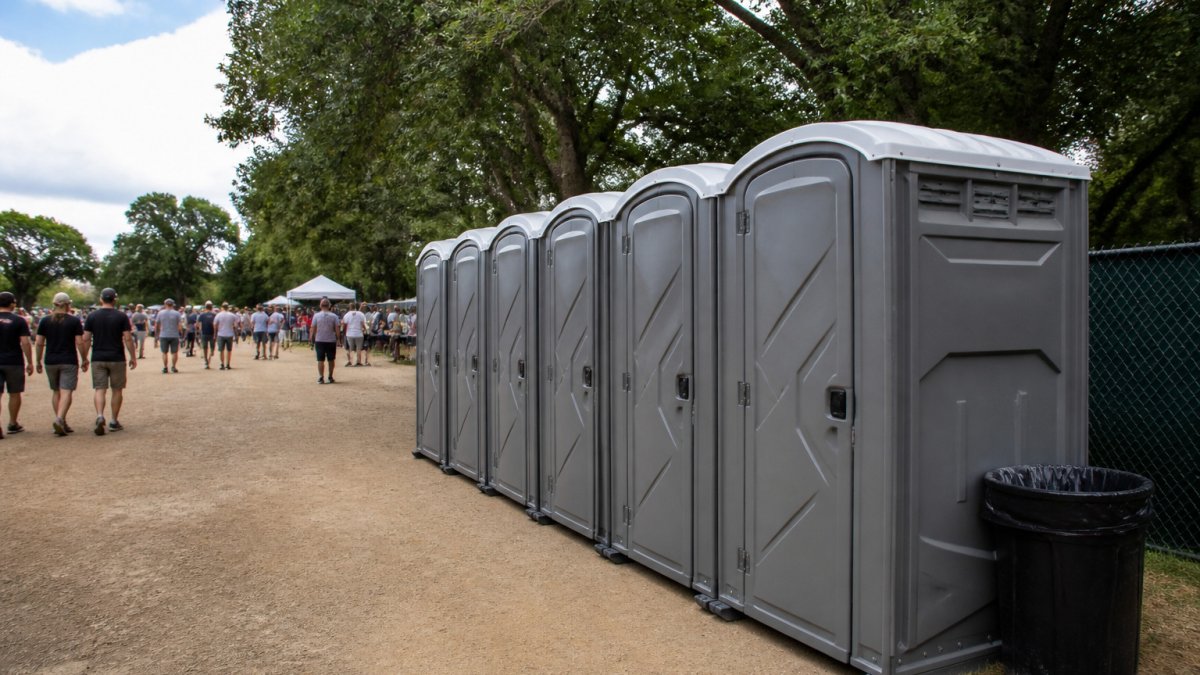
Mistake 1: Not planning for enough units. A common rule is one portable restroom per 100 guests for events under 4 hours.
Mistake 2: Skipping the pre-event inspection. Never assume units are clean and working, always inspect before guests arrive. A broken toilet discovered mid-event is a preventable crisis.
Mistake 3: Understocking supplies. Running out of toilet paper or soap mid-event damages your reputation. Stock generously and check frequently, extra beats running short.
Mistake 4: Not assigning clear responsibility. If everyone is responsible for checking restrooms, no one is. Assign specific people to specific times.
Mistake 5: Ignoring odor issues. A smelly restroom ruins the guest experience.
Mistake 6: Failing to document problems. Without written records, you can't improve or dispute charges. Keep records of everything.
Mistake 7: Waiting too long between checks. Checking once at the start and once at the end isn't enough for most events.
Managing event restrooms well is invisible when done right, but when done poorly, it's all guests remember.
Patriot Solutions provides clean, well-maintained portable restrooms delivered and serviced by a dependable local team. We handle setup, servicing, and pickup so you can focus on running your event.
Frequently Asked Questions
What should be included in a portable toilet cleaning checklist for an event?
A portable toilet cleaning checklist should cover toilet surfaces and seat disinfection, sink and faucet cleaning, high-touch surface wiping, toilet paper and soap restocking, hand towel replenishment, trash bin emptying and liner replacement, and floor inspection. Include sections for documenting time completed, staff initials, and any maintenance issues requiring escalation. The checklist ensures no task is missed and creates accountability across your cleaning team.
How often should portable toilets be cleaned during an event?
Cleaning frequency depends on guest count and event duration. For smaller events, plan inspections and restocking every 2-3 hours. For larger gatherings, increase to hourly checks. High-traffic periods (lunch, end of event) require more frequent attention. Document each cleaning cycle in your portable restroom maintenance log to track patterns and identify peak usage times for future events.
What supplies should event staff bring to clean portable restrooms?
Essential portable toilet cleaning supplies include disposable gloves, hand sanitizer, disinfectant spray or wipes, scrub brushes, trash bags and liners, toilet paper rolls, liquid hand soap, paper towels, and a mop or floor cleaner. Store supplies in a dedicated caddy or cart near the units for quick access. Keep backup quantities on-site in case of unexpected heavy usage. Label all supplies clearly and ensure staff know where to find replacements during the event.
Who is responsible for cleaning portable toilets during an event?
Assign a dedicated cleaning staff member or rotating team to manage portable restroom sanitation throughout the event. Clearly define roles and schedules before the event begins. Provide each staff member with a portable toilet inspection checklist and portable restroom maintenance log to document their work. Establish a point person to oversee the schedule and handle any urgent maintenance issues or supply shortages that arise during the event.