 blog
blog
Portable Toilet Rental for Home Renovations: Is It Necessary?
Table of Contents
- When a Portable Toilet Rental Becomes Necessary for Home Renovations
- Project Size and Duration Thresholds
- Crew Size and Daily Site Traffic
- OSHA Requirements for Construction Site Sanitation
- Portable Toilet Rental Cost for Home Remodel: What Drives the Price
- How to Prepare for Portable Toilet Rental Delivery
- HOA Rules, Local Ordinances, and Curb Appeal Concerns
- Liability, Insurance, and Protecting Your Home's Interior
- Frequently Asked Questions
Last Updated: September 18, 2026
When a Portable Toilet Rental Becomes Necessary for Home Renovations
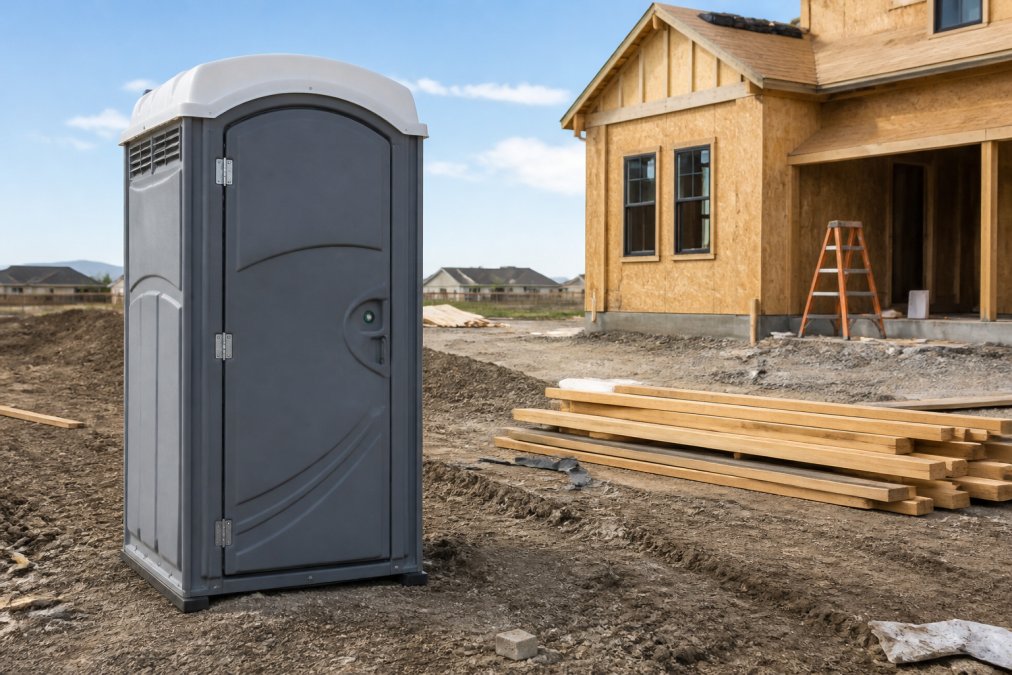
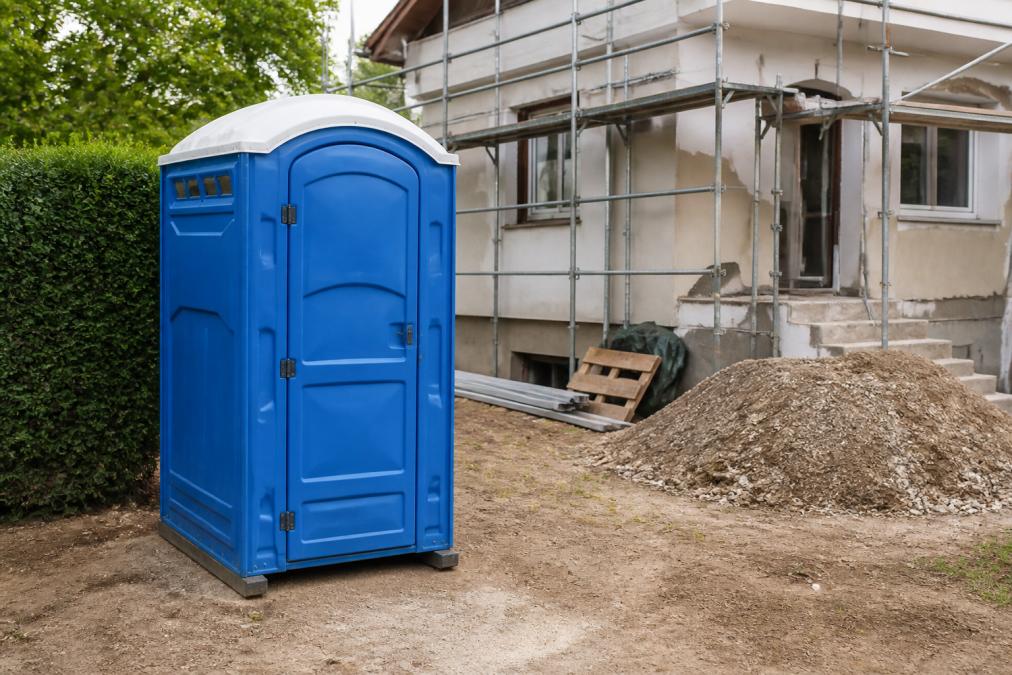
A portable toilet rental is a temporary restroom unit delivered to a job site so workers and occupants have a safe, sanitary place to go without entering the home. For a weekend project, it's optional; for anything longer, it's usually the difference between a smooth job and a complaint.
Project Size and Duration Thresholds
Short cosmetic jobs rarely justify the cost. A one-day flooring swap or a weekend of painting doesn't need a unit if the home's bathroom stays usable.
- Under 3 days: Usually skip it unless the home's only bathroom is offline.
- 3 days to 2 weeks: One unit is the safe call for most residential remodels.
- 2 weeks to 2 months: One unit with weekly servicing, or two if the crew is large.
- Multi-month gut jobs: Size the count to crew and trade traffic, not just the calendar.
Crew Size and Daily Site Traffic
Daily headcount matters more than total project length. A long, quiet job with two workers is lighter than a short, busy one with a dozen trades cycling through.
Here's a simple way to size it:
| Daily People on Site | Recommended Units | Servicing |
|---|---|---|
| 1-5 | 1 | Weekly |
| 6-10 | 1-2 | Weekly |
| 11-15 | 2 | Weekly |
| 16+ | 2-3 | Twice weekly |
OSHA Requirements for Construction Site Sanitation
OSHA requires employers to provide accessible sanitary facilities at construction sites, and portable toilets are the standard way to meet that duty. Unit counts depend on crew size and gender mix.
Portable Toilet Rental Cost for Home Remodel: What Drives the Price
Portable toilet rental cost for a home remodel depends on unit type, rental length, servicing frequency, and delivery distance. There's no flat rate, because every job site is different.
The biggest cost drivers:
- Rental duration: Weekly rates beat daily rates on longer jobs.
- Servicing frequency: Weekly is standard; twice-weekly costs more.
- Unit type: Standard units cost less than deluxe or trailer models.
- Delivery distance: Rural sites pay more for the haul.
- Season: Summer event season can tighten supply.
Weekly Servicing and What It Covers
Weekly servicing is the scheduled visit where a technician pumps the tank, refreshes the deodorizer, and restocks supplies like toilet paper and sanitizer, keeping the unit usable and odor controlled.
How to Prepare for Portable Toilet Rental Delivery
Knowing how to prepare for portable toilet rental delivery saves time and avoids a failed drop-off. The driver needs a clear path, a level surface, and a spot that won't block the work.
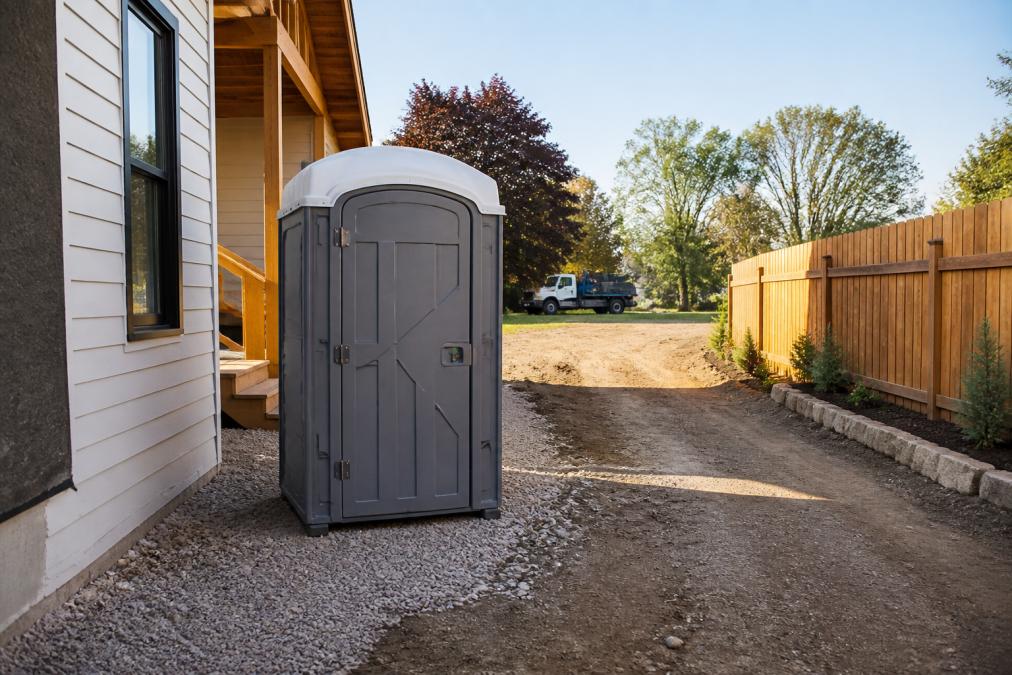
Follow these steps:
- Pick the spot. Choose a level, firm surface within reach of the truck.
- Clear the path. Remove vehicles, tools, and debris from the route.
- Confirm access. Make sure gates are wide enough and unlocked.
- Mark the pad. Gravel, plywood, or a concrete pad prevents sinking.
- Check the slope. A unit on a tilt is unstable and unpleasant.
- Note utilities. Keep the unit away from gas, water, and power lines.
- Tell the neighbors. A heads-up prevents complaints later.
Placement, Access, and Discreet Positioning
Placement is where most homeowners get it wrong: hiding the unit behind the garage often blocks the service truck.
Aim for a spot that's:
- Close to the work so crews don't wander.
- Visible to the driver for easy servicing.
- Away from windows and patios for privacy and curb appeal.
- Downwind of outdoor seating when possible.
HOA Rules, Local Ordinances, and Curb Appeal Concerns
Most guides say "check your HOA rules" but never say where the rules live or what to do when they conflict with where the truck needs to park. That's the real problem, so start there.
Where the rules actually live
Your HOA restrictions are almost never in the welcome packet. They're in three documents, and you may need all three:
- CC&Rs (Covenants, Conditions, and Restrictions): the recorded deed restrictions. Look for language like "temporary structures," "outbuildings," "nuisances," or "visibility from the street." A portable toilet usually gets swept into one of those buckets rather than named directly.
- Architectural guidelines / ACC rules: the design-review document. This is where you'll often find duration caps (commonly 30, 60, or 90 days) and screening requirements.
- City or county code: governs the public right-of-way, not your yard. If the unit sits on your private driveway or side yard, most jurisdictions treat it as a temporary use and don't require a permit. If it sits on a street, sidewalk, or easement, expect a right-of-way permit and possibly a fee.
The three restrictions that actually bite
- Duration limits. Many HOAs cap temporary structures at a set number of days. If your remodel runs longer, you may need a written extension, request it before the unit arrives, not after the notice shows up.
- Setback and visibility rules. Some require the unit to sit behind the front building line or be screened from the street. This is the rule that most often collides with the service truck's access path.
- Screening requirements. A fence panel, shrub screen, or enclosure is frequently the cheapest way to satisfy both the HOA and your own curb appeal.
When the HOA rule and the truck conflict
This is the scenario nobody writes about: your HOA wants the unit behind the garage, but the driver needs a clear, level path within hose reach. Three workable moves:
- Relocate, don't hide. Move the unit to a side yard that's still visible to the driver but out of the street view. Discreet means screened from the road, not invisible to the service truck.
- Screen the access side. Put the fence panel on the street-facing side and leave the service side open. The driver gets his path; the neighbors get a clean sightline.
- Get it in writing. If the only compliant spot blocks servicing, ask the HOA for a written variance for the project duration. Boards grant these routinely when you ask first.
Curb appeal without the eyesore
A clean, well-placed unit reads as a professional job; a beat-up one in the front yard reads as a problem and is the most common trigger for a neighbor complaint. Practical moves:
- Request a unit that's been recently serviced and washed, not the oldest one on the lot.
- Face the door away from the street and from neighboring windows.
- Keep the area around the unit clear of debris; a tidy pad signals an organized crew.
- Give immediate neighbors a heads-up with the delivery date and expected removal date. Most complaints are about surprise, not the unit itself.
Liability, Insurance, and Protecting Your Home's Interior
"Who's liable if something happens?" is the question homeowners ask last and worry about most. The short answer: it depends on who controls the unit and who's on site, and you can structure the contract to make the answer clear before work starts.
Who is liable for what
The unit itself and the people using it are two separate liability questions:
- The rental company typically carries liability for the unit's condition, delivery, and servicing, a defective unit, a spill during pumping, or damage caused by their driver.
- The contractor is generally responsible for their own employees and subcontractors on site, including injuries that happen while using the unit. This is why you want their general liability and workers' compensation coverage confirmed in writing.
- You, the homeowner, are generally responsible for the placement you approved and for anyone you personally invite onto the property. If you place the unit on a slope and it tips, that's on your side of the line.
What your homeowner's policy usually does, and doesn't, cover
Standard homeowner's policies are written for a lived-in home, not an active construction site. Two things to understand:
- During construction, coverage for the structure and contents can be reduced or excluded unless you've added a builder's risk or renovation endorsement. Call your agent before demolition starts, not after a loss.
- Injuries to paid workers on your property are typically excluded from your homeowner's liability and fall under the contractor's workers' compensation. If the contractor doesn't carry it, the exposure can land on you.
Protecting your home's interior
This is the practical payoff. When workers use your bathroom, every trip means boots on your floors and hands on your fixtures. A rental keeps that traffic outside. What it protects:
- Floors and finishes, no tracked-in dust, grit, or moisture on new hardwood or tile.
- Fixtures and plumbing, no added load on a system that may already be offline or partially disconnected.
- Privacy and security, no workers moving unescorted through the house, which also reduces the chance of unauthorized access to rooms you haven't secured.
How to structure the contract
Before work begins, confirm three things in writing:
- Who provides the unit, you or the contractor, and whose insurance covers it.
- A certificate of insurance from the contractor showing general liability and workers' compensation.
- The servicing schedule and removal date, so the unit doesn't linger past the project and become your problem.
For a plain-language overview of how construction liability and insurance are generally structured, the Insurance Information Institute guide to homeowners and construction is a reasonable starting point. When in doubt, ask your contractor and your agent before the first hammer swings, not after.
Frequently Asked Questions
Is it legally required to provide a portable toilet for construction workers?
OSHA requires employers to provide accessible sanitary facilities for workers on construction sites. For residential renovations, the requirement depends on crew size and project duration. A one-day job with two workers may not trigger it, but a multi-week remodel with a full crew does. If you hire a general contractor, they are typically responsible for compliance. Homeowners managing their own renovation should confirm requirements with their local building department before work begins.
Do portable toilets for home renovations require a permit?
Most jurisdictions do not require a permit for a temporary portable toilet on private residential property. However, some HOAs and local ordinances restrict where units can be placed, how long they can stay, or whether they are visible from the street. Check your HOA covenants and call your city or county planning office before delivery.
How much space is needed for a portable toilet on a residential property?
A standard portable toilet needs roughly 3 to 4 feet of clearance on all sides, plus a flat surface for the unit to sit level. You also need a clear path at least 10 feet wide for the service truck to reach the unit for weekly servicing. Place it on gravel, concrete, or packed dirt, not grass that stays wet. Keep it away from your home's entry doors and HVAC intakes.
How does a portable toilet rental protect my home's interior during a remodel?
Without an on-site unit, crew members use your household bathrooms. That means drywall dust, paint overspray, and muddy boots tracked through your living space multiple times a day. A portable toilet keeps foot traffic out of your home, reduces cleanup, and limits damage to flooring and fixtures. It also keeps your family's bathroom available during the project instead of sharing it with the crew.
A home renovation already has enough moving parts. Sanitation shouldn't be one of them. Patriot Solutions delivers clean portable restrooms and roll-off dumpsters across the Delta area with fast, dependable local service. Our team handles delivery, weekly servicing, and pickup so you can focus on the build. Get started with Patriot Solutions and keep your project clean, compliant, and on schedule.