 how-to
How to Schedule a Dumpster Swap Out: 2026 Guide
Table of Contents
- When to Request a Dumpster Swap Out (Not Just a Pickup)
- Dumpster Rental Swap Out Policy: What to Check Before You Book
- Step-by-Step: How to Schedule a Dumpster Swap Out
- How Long Can You Keep a Rented Dumpster?
- Roll-Off Dumpster Weight Limits and Overage Charges
- Swap Out vs. Upsize: Cost and Logistics Compared
- Troubleshooting Delayed or Failed Swaps
- Conclusion
- Frequently Asked Questions
Last Updated: September 28, 2026
When to Request a Dumpster Swap Out (Not Just a Pickup)
Knowing how to schedule a dumpster swap out starts with one question: is your container full, or is your project done?
A pickup means you are finished. A swap out means you are still working and need an empty container now. The full one leaves, an empty one takes its place, and your crew keeps loading without a gap.
Timing matters more than most people think. Call when the container is about 80% full, not when debris is spilling over the sides. Overfilled containers cannot be hauled safely, and most haulers will refuse the swap until you level the load.
Here is the simple rule: if work continues past this week, book a swap out. If the job is wrapping up, book a final pickup instead.
Dumpster Rental Swap Out Policy: What to Check Before You Book
Every rental agreement handles container exchanges differently, so read the fine print before you sign. The dumpster rental swap out policy is where the details live: how many swaps are included, what each one costs, and how much notice the hauler needs.
Check these items before you book:
- Number of swaps included in your base rate
- Notice required for a swap request, often one business day
- Swap fees and any delivery charges for the replacement
- Weight allowance reset rules for each new container
- Rules on prohibited items that can trigger a rejected haul
A common mistake is assuming a swap is free because a pickup is. Many agreements bundle one final pickup but charge separately for mid-project exchanges. Ask directly: "What does an extra swap cost, and how much notice do you need?"
Step-by-Step: How to Schedule a Dumpster Swap Out
Scheduling a swap out takes about ten minutes if you have the right details ready. The process follows three steps: confirm the container is full and safe, call your hauler with specifics, then clear the site for the exchange.
Get these three things right and the swap usually happens on the first try.

Step 1: Confirm Your Container Is Full and Safe to Move
Walk out and look at the load. Debris should sit level or below the top rail. Nothing should hang over the sides or stick up past the edges.
If the container is overfilled, pull items out before you call. A safe load means the driver can haul it without risk, and it means your swap gets approved on the first request.
Also check for banned items. Tires, paint, batteries, and liquids often cannot go in a standard roll-off. One prohibited item can stall the whole exchange.
Step 2: Contact Your Hauler with the Right Details
Call or use the online portal with your account number, site address, and container size. Tell them clearly: "I need a swap out, not a pickup."
Give the dispatcher these details:
- Current container size and how full it is
- What is in the load, such as construction debris or household junk
- Best delivery window for the empty container
- Any site access limits, like a narrow driveway or low wires
The more you share upfront, the fewer surprises on swap day.
Step 3: Prepare the Site for the Exchange
Clear the area around the container before the truck arrives. The driver needs room to pull in, lift the full box, and set the empty one down.
Move vehicles, tools, and materials out of the way. Trim low branches if they block the truck. If your driveway is tight, warn the dispatcher ahead of time so they send the right truck.
How Long Can You Keep a Rented Dumpster?
Most residential and construction rentals run for a set period, often seven to fourteen days, though the exact term depends on your agreement. After that window, haulers typically charge a daily rate until the container is picked up.
So the real answer to how long can you keep a rented dumpster is: as long as your contract allows, plus whatever daily fees you are willing to pay.
A few things stretch or shrink that timeline:
- Project delays push your keep period longer
- Winter weather can pause work and freeze your schedule
- Some haulers offer extended terms at a lower daily rate if you ask
If your project runs long, call before the term ends. Extending early is almost always cheaper than paying surprise daily fees after the fact.
Roll-Off Dumpster Weight Limits and Overage Charges
Every container has a weight limit, and going over it costs money. Roll-off dumpster weight limits are set by the hauler and printed on your rental agreement. A typical 20-yard container might allow a few tons, but the exact number varies by provider and material type.
Here is how overage charges work: the hauler weighs the full container at the disposal site. Anything above your included tonnage gets billed per ton. Heavy materials like concrete, dirt, and shingles hit that limit fast because they pack so much weight into a small space.
| Material Type | Weight Risk | What to Do |
|---|---|---|
| Household junk | Low | Standard container is fine |
| Construction debris | Medium | Watch the tonnage closely |
| Concrete, dirt, shingles | High | Ask about heavy-debris rates first |
Swap Out vs. Upsize: Cost and Logistics Compared
Choosing between a swap out and a bigger container comes down to three numbers: how much debris you expect, how much room you have, and how many truck trips each option requires.
Start with volume. Roll-off containers are sized in cubic yards, and the common residential and light-commercial sizes are 10, 15, 20, 30, and 40 yards.
| Factor | Swap Out | Upsize |
|---|---|---|
| Site space needed | One container footprint | Larger drop area, often 40+ feet of clear approach |
| Best for | Ongoing projects with debris arriving in waves | One-time heavy volume or a single large tear-off |
| Truck trips | Two per swap | One delivery, one pickup |
| Cost pattern | Base rate plus per-swap fees | Higher base rate, fewer service events |
| Weight risk | Resets with each new container | Same tonnage allowance spread over more volume |
| Access risk | Repeated truck entries | Single entry, but a bigger truck |
Troubleshooting Delayed or Failed Swaps
What to do when a swap fails:
- Photograph the container and the access path before the next attempt so you have a record of conditions.
- Clear the access route and level the load before you reschedule.
- Confirm the new delivery window and make sure someone is on site to clear access.
- Ask the dispatcher to note the site limits on your account so future drivers are warned.
- If the failure was caused by the hauler, ask for the trip fee to be credited.
A failed swap is usually a one-time problem, not a pattern. If it happens twice, ask the hauler to review your account notes and consider a different container size or drop location that fits the truck's approach.
Conclusion
Scheduling a dumpster swap out is simple once you know the steps: confirm the load is safe, call with the right details, and prep the site. The hard part is finding a hauler who shows up when they say they will.
Frequently Asked Questions
How far in advance should I request a dumpster swap out?
Schedule your swap at least 24 to 48 hours before you need the empty container. During busy construction seasons, give 3 to 5 days' notice. Confirm the swap-out service window when you book, and ask about cutoff times for next-day requests. If your project has a tight timeline, set up recurring pickup or automated scheduling so you never have to call last-minute.
What happens during a dumpster swap out process?
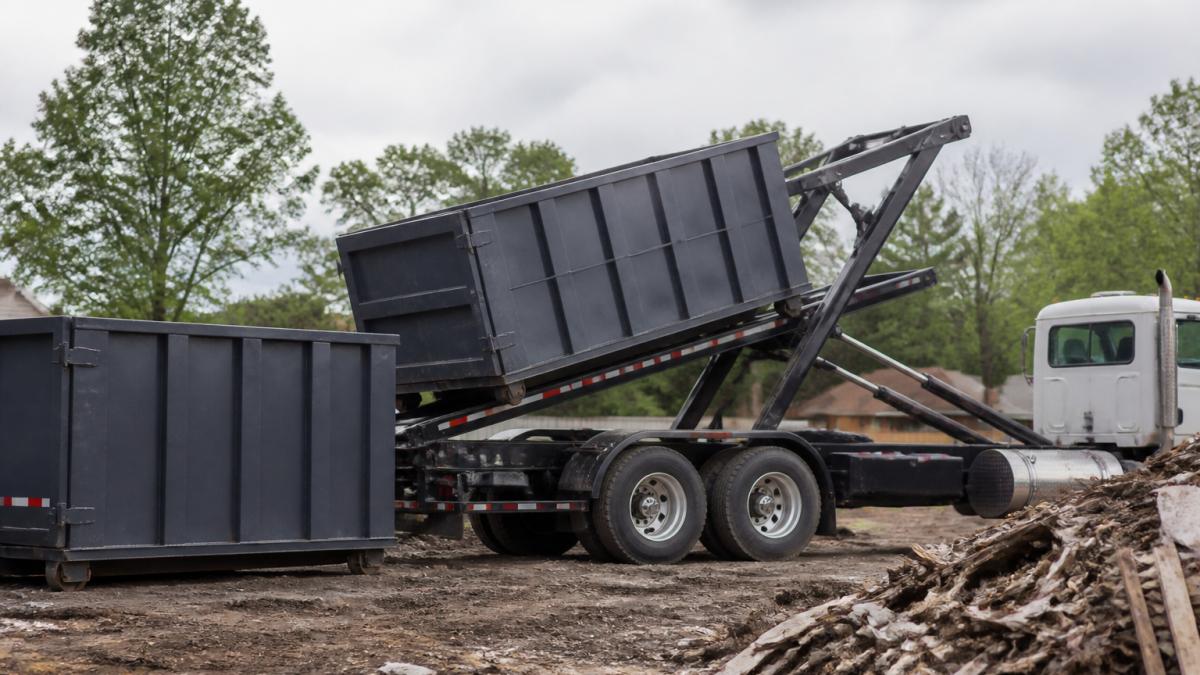
The driver arrives with an empty container on a roll-off truck. They secure the full dumpster, winch it onto the truck, and lower the empty one in the same spot. The whole exchange takes 15 to 30 minutes if the site is clear. You do not need to be on-site, but someone should confirm the drop-off location is accessible and free of vehicles.
Are there extra fees for swapping out a full dumpster?
Most haulers charge a swap-out fee separate from the standard pickup and disposal fees. You may also pay overage charges if the container exceeds its weight limit. Review your rental agreement for the swap-out policy, disposal fees, and any service cadence requirements. Ask for a written quote before scheduling so there are no surprises.
How do I know when my dumpster is ready for a swap?
Check that debris is level with or slightly below the top rail. Never load above the rim; haulers can refuse overloaded containers. If you are unsure, take a photo and send it to your provider. For construction debris or bulk waste, weigh your options early so you can schedule the swap before the container is completely full.