 how-to
Do You Need a Permit for a Residential Dumpster?
Table of Contents
- When a Residential Dumpster Permit Is Required
- Permit for Dumpster in Driveway: What You Need to Know
- Street Dumpster Permit Requirements and Restrictions
- How to Get a Dumpster Permit: Step-by-Step Process
- Dumpster Permit Cost, Timeline, and Penalties
- Residential Dumpster Placement Alternatives
- Common Mistakes to Avoid
- Frequently Asked Questions
Last Updated: October 14, 2026
When a Residential Dumpster Permit Is Required
Whether you need a permit for a residential dumpster depends entirely on where you place it. The core rule is simple: private property placement usually doesn't require a permit, while public property placement almost always does. But "almost always" isn't good enough when you're planning a renovation or cleanup project. You need to know your specific situation.
The difference between placing a dumpster in the right spot versus the wrong one can mean the difference between a smooth project and unexpected fines or forced removal.
Private Property Placement
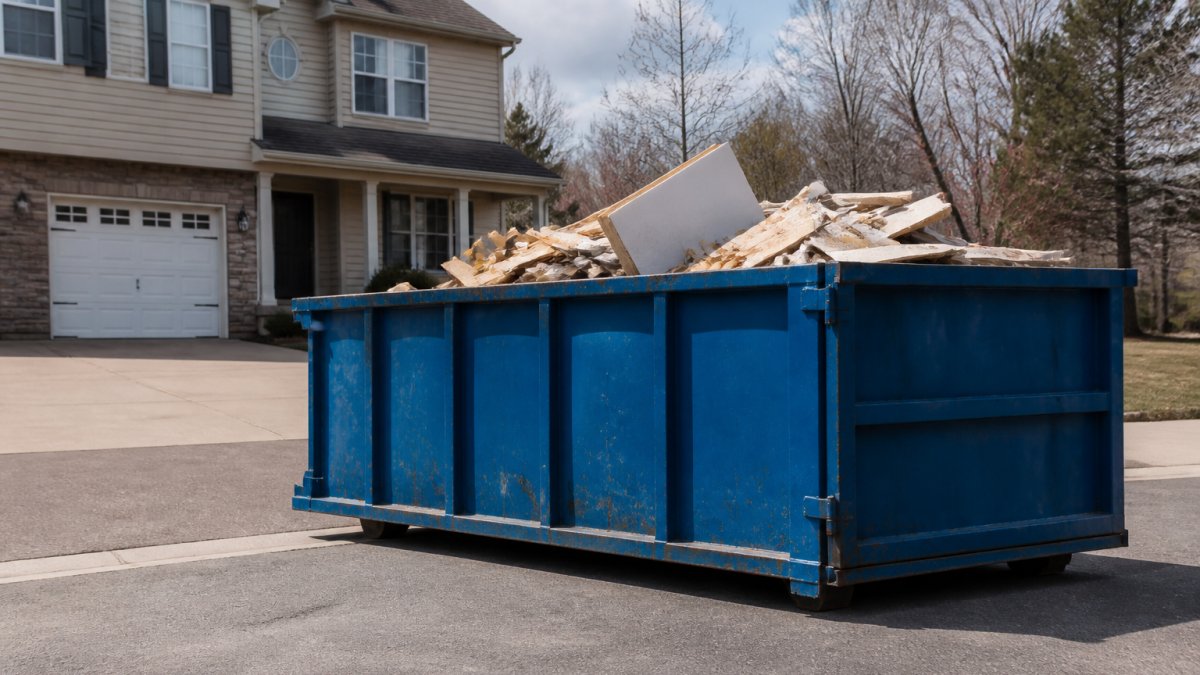
A residential dumpster permit isn't required when you place a roll-off dumpster entirely on your own private property. This includes your driveway, backyard, or any part of your lot that you own or have permission to use.
The key word is "private." If the dumpster sits on land you control and doesn't extend into the street, sidewalk, or any public right-of-way, most municipalities won't require a permit. Your private property is yours to use as you see fit for temporary waste storage.
However, there's a catch. Even on private property, some cities have restrictions on placement duration or require notification to the city. A few municipalities ask property owners to notify them when a large container will be on-site for more than a certain number of days. Check with your local public works department to confirm there are no local regulations specific to your area.
Street, Sidewalk, and Public Right-of-Way Placement
Placing a dumpster on a street, sidewalk, or public right-of-way almost always requires a permit. These are public spaces, and municipalities strictly control what can occupy them.
A public right-of-way includes the area from the edge of your property to the center line of the street. Even if the dumpster is close to your house, if any part of it extends into this zone, you'll need approval from your city or county. This protects pedestrian access, traffic flow, and emergency vehicle passage.
The rules exist for safety. An uncontrolled container in a public space can block fire trucks, create trip hazards, or obstruct sight lines at intersections. That's why cities require a permit application before you can place anything there.
Permit for Dumpster in Driveway: What You Need to Know
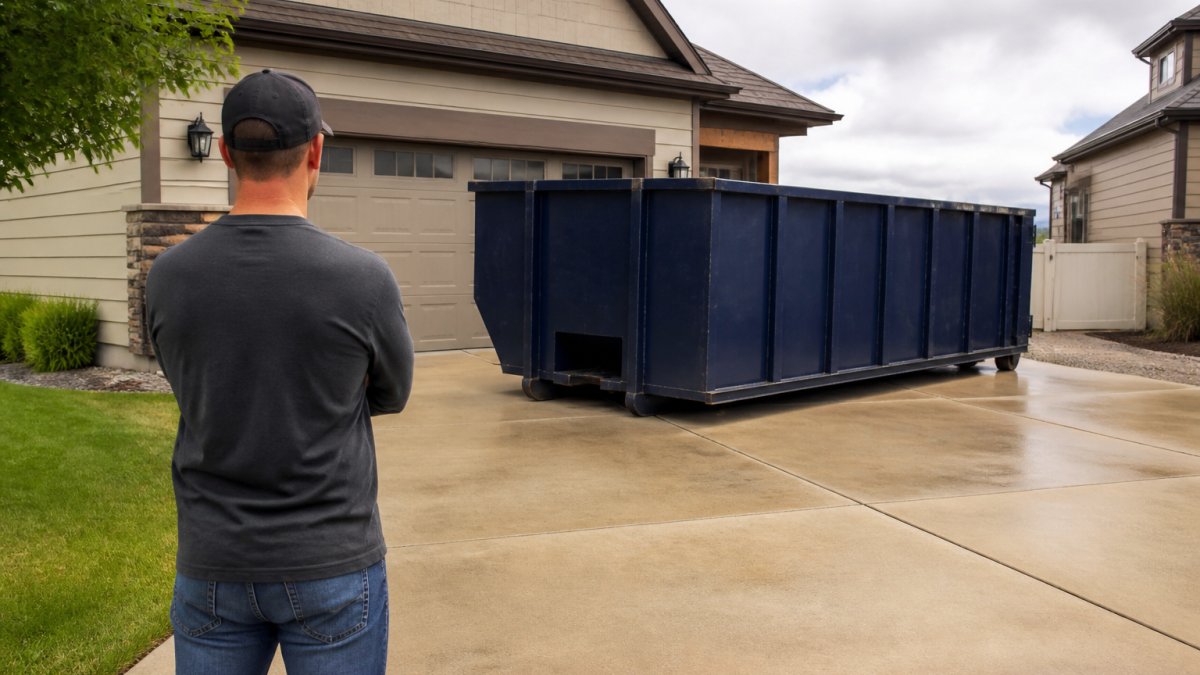
Placing a dumpster in your driveway is the easiest scenario. Since a driveway is private property, you typically don't need a permit for dumpster in driveway situations. You can usually arrange delivery and placement without contacting your city or county.
But "typically" depends on your local rules. Some municipalities have length-of-stay limits even on private driveways. Others require you to notify them if a container will be there longer than 14 days.
The safest approach is to call your local public works or planning department and ask about driveway placement rules. Give them your address and explain your project timeline. Most departments answer these questions in minutes.
One practical consideration: make sure your driveway is wide enough and strong enough to support a roll-off dumpster. These containers are heavy when loaded. If your driveway is narrow, cracked, or slopes steeply, placement might damage it.
Street Dumpster Permit Requirements and Restrictions
When you need a street dumpster permit, you're dealing with a formal process. Cities and counties regulate street placement carefully because it affects public access and traffic.
Requirements vary by location, but most municipalities ask for the same basic information: your address, project type, dumpster size, start date, and end date. Some require proof that you own or have permission to use the property. Others ask for a site plan showing exactly where the container will sit.
Traffic and Pedestrian Access Considerations
The city's main concern is keeping streets safe and passable. Your dumpster can't block fire hydrants, storm drains, or utility boxes. It can't reduce traffic lanes or force cars to cross the center line. It can't block pedestrian access or create sight-line problems at intersections.
Most municipalities require the dumpster to be positioned so at least one full traffic lane remains open. Some require a buffer zone from parked cars or driveways. A few ask that the container be placed during business hours only, with removal at night.
These rules protect your neighbors and emergency services. They also protect you. If your dumpster violates traffic or pedestrian access rules, the city can order immediate removal and fine you.
Duration and Placement Limitations
Street permits are temporary. Most municipalities limit street placement to 7 to 14 days, though some allow up to 30 days. You must remove the dumpster by the end date on your permit or face penalties.
Some cities require you to place traffic cones or warning signs around the dumpster. Others require you to sweep the area daily to prevent debris from spreading. A few ask that you maintain liability insurance while the container is in the public right-of-way.
The specifics depend on your city or county. That's why checking local requirements before you apply is essential.
How to Get a Dumpster Permit: Step-by-Step Process
Getting a permit is straightforward if you follow the process. Most applications take 3 to 5 business days to process, though some cities are faster and others slower.
Step 1: Check Your Local Requirements
Start by contacting your city or county public works or planning department. Ask three specific questions:
- Do I need a permit for a residential dumpster on my property?
- If yes, what's the application process and cost?
- What documents do I need to provide?
Many municipalities post permit requirements online. Search "[your city] dumpster permit" or "[your county] street use permit." You may find an application form, fee schedule, and processing timeline without making a phone call.
If you can't find the information online, call the public works department. Have your address ready. They'll tell you whether a permit is required and what steps to take next.
Step 2: Gather Required Documents
Most applications require basic paperwork. Common documents include:
- A filled-out permit application form
- Proof of property ownership or permission to use the property
- A description of your project (renovation, cleanup, construction, etc.)
- The dumpster size and rental company name
- Your start and end dates
- A site plan or photo showing where the dumpster will be placed
Some cities ask for proof of liability insurance. Others require a utility locate request to ensure the dumpster won't sit on underground cables or pipes.
Get the application form from your city's website or the public works office. Read it carefully. Missing information delays approval.
Step 3: Submit Your Application
Submit your application in person, by mail, or online, depending on your city's process. Many municipalities now accept digital submissions through their website or email.
Include all required documents. Double-check that your address, project dates, and dumpster details are correct. Errors can delay approval.
Keep a copy of your submission and the date you submitted it. If the city doesn't respond within their stated timeline, follow up with a phone call.
Step 4: Pay the Fee and Wait for Approval
Most municipalities charge a permit fee. Fees typically range, but exact amounts vary by location and project type. Pay the fee as instructed on the application.
Once you submit your application and pay the fee, the city reviews it. Most approvals take 3 to 5 business days. You'll receive written approval, usually by email or mail.
The approval letter will specify your permit number, approved dates, and any conditions you must follow. Keep this letter. You may need to show it to the dumpster rental company or to the city if questions arise.
Dumpster Permit Cost, Timeline, and Penalties
Understanding the cost and timeline helps you plan your project budget and schedule.
Permit Fees and Processing Time
Permit fees depend on your municipality. Some charge a flat fee for any residential dumpster permit. Others charge based on dumpster size or project duration. Processing time is typically 3 to 5 business days, though some cities process applications faster.
Call your local public works department to ask about current fees and processing times. Fees and timelines can change, so get the most current information before you apply.
Processing time matters. If you need the dumpster urgently, apply for your permit as soon as possible. Some cities offer expedited processing for an additional fee.
Violations and Fines
Placing a dumpster without a required permit can result in fines. Fines vary by municipality but typically range from minor violations to substantial penalties. Some cities fine you per day the violation continues. Others impose a flat penalty.
More serious: the city can order the dumpster removed immediately. You'll pay removal costs on top of the fine. If you're in the middle of a project, forced removal can halt your work for days.
Violating permit conditions, like keeping the dumpster past its approved end date or blocking a fire hydrant, also triggers fines. Some violations can result in citations that affect your ability to get future permits.
The easiest approach is to follow the rules. Get the permit if required. Comply with all conditions. Remove the dumpster by the approved date. The small cost and effort of a permit beats fines and forced removal.
Residential Dumpster Placement Alternatives
If getting a street permit is complicated or your street doesn't allow placement, consider alternatives.
Alley placement is sometimes permitted if your property has alley access. Alleys are often less restricted than streets.
Neighbor's driveway can work if you have permission. Some homeowners allow neighbors to place dumpsters on their property temporarily. This avoids street permits entirely.
Smaller container sizes may not require permits in some municipalities. A small roll-off dumpster or a standard trash bin might fall outside permit requirements.
Staggered removal and delivery spreads debris removal over multiple days, reducing the need for a large dumpster. You rent a smaller container, fill it, have it removed, then rent another.
Rent from a provider with local expertise. Patriot Solutions knows the local permit requirements for the Delta area and can advise you on the best placement options for your specific project.
Common Mistakes to Avoid
Understanding what goes wrong helps you avoid it.
Assuming private property never needs a permit. Some municipalities require notification even for driveway placement. Always check with your city first.
Placing the dumpster before getting approval. Once it's there, the city can order immediate removal. Apply for your permit before the dumpster arrives.
Extending the project past your permit end date. The permit is time-limited.
Blocking utilities or fire hydrants. Even if the city approves your placement, you're responsible for not blocking utilities, fire hydrants, storm drains, or mailboxes.
Renting without confirming permit requirements. Coordinate with your dumpster provider. Tell them you're checking permit requirements.
Not keeping your permit approval letter. Keep a copy of your approved permit.
Getting a permit for a residential dumpster is straightforward when you know the rules. Private property placement usually requires no permit, while street placement typically does.
Frequently Asked Questions
Do I need a permit to put a dumpster in my driveway?
In most cases, no. A residential dumpster placed entirely on private property, your driveway, yard, or parking lot, typically does not require a permit. However, some municipalities have local regulations that may apply, especially if the dumpster blocks drainage, utility access, or fire lanes. Check with your city or county permit office to confirm local rules before placement.
Do I need a permit to place a dumpster on the street?
Yes. Placing a dumpster on a street, sidewalk, or public right-of-way almost always requires a street dumpster permit. These permits ensure the container does not obstruct traffic, pedestrian access, or utility work. Your rental provider may help coordinate the permit application, but it is your responsibility to verify requirements with your local public works department or permit office.
How long does it take to get a dumpster permit?
Processing time varies by municipality but typically ranges from 3 to 10 business days. Some jurisdictions may expedite requests for an additional fee. Plan ahead and contact your permit office early, especially for time-sensitive projects. Ask about standard and expedited timelines when you apply.
What happens if I place a dumpster without a required permit?
Operating without a required permit can result in fines, citations, or forced removal of the dumpster at your expense. Penalties vary by jurisdiction but may range from $100 to several hundred dollars per day of violation. Your rental company may also refuse to service an unpermitted placement. Always verify and obtain permits before placement to avoid these costs and complications.