 ultimate-guide
Sanitation Services for Rural Farm Crews: A Guide
Table of Contents
- Why Sanitation Services Matter for Farm Operations
- Types of Sanitation Equipment for Agricultural Crews
- OSHA Field Sanitation Standards for Agricultural Workers
- Portable Restroom Rental for Farms: What to Expect
- Developing an Agricultural Waste Management Plan
- Choosing a Reliable Sanitation Provider for Remote Areas
- Scaling Sanitation Services with Seasonal Crew Demands
- Conclusion
Last Updated: August 29, 2026
Why Sanitation Services Matter for Farm Operations
Sanitation services for rural farm crews aren't a luxury, they're essential for worker health, regulatory compliance, and operational efficiency. When crews work long hours in fields without proper facilities, productivity drops, health risks multiply, and your farm faces legal exposure. Agricultural workers face unique challenges: they're stationed far from permanent facilities during peak seasons when crew sizes fluctuate dramatically. Without access to clean restrooms and handwashing stations, workers experience higher illness rates and missed days. Farms that fail to provide adequate sanitation violate federal labor standards and invite regulatory scrutiny.
At Patriot Solutions, we've worked with agricultural operations across the region to understand what actually works in the field. The difference between a smoothly run farm and one plagued by crew disruptions often comes down to sanitation infrastructure that matches your operation's real demands. This guide walks you through everything you need to know about implementing sanitation services for rural farm crews, from equipment types to regulatory requirements to scaling with seasonal demand.
Types of Sanitation Equipment for Agricultural Crews
Agricultural crews need different sanitation solutions depending on location, crew size, and work duration. The right equipment prevents disease transmission, maintains worker morale, and keeps your operation compliant with labor standards.
Portable Restrooms and Handwash Stations
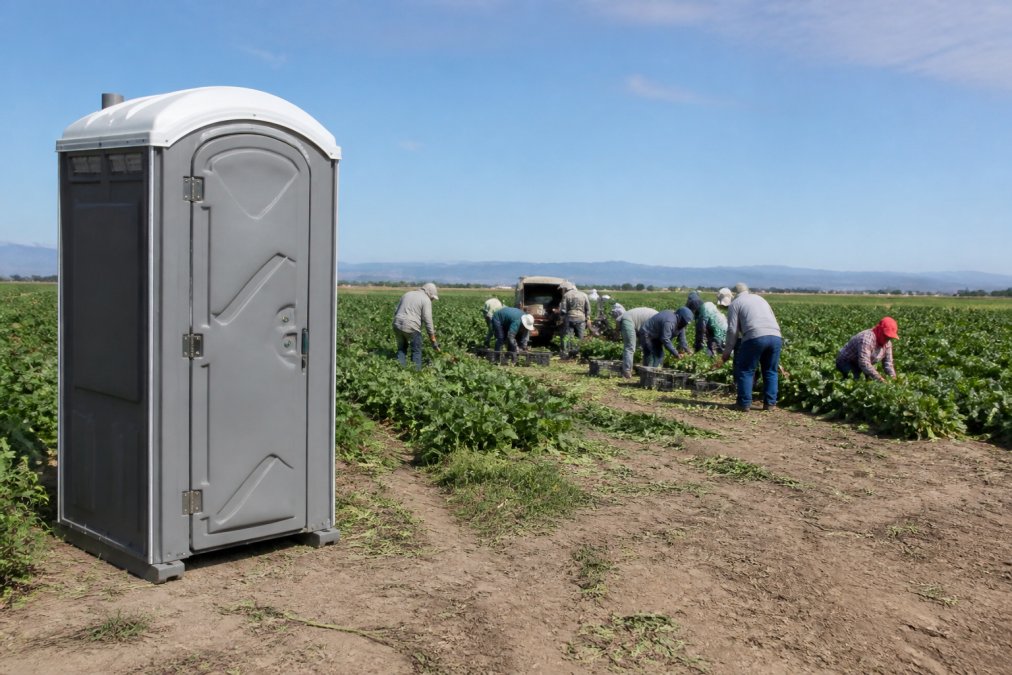
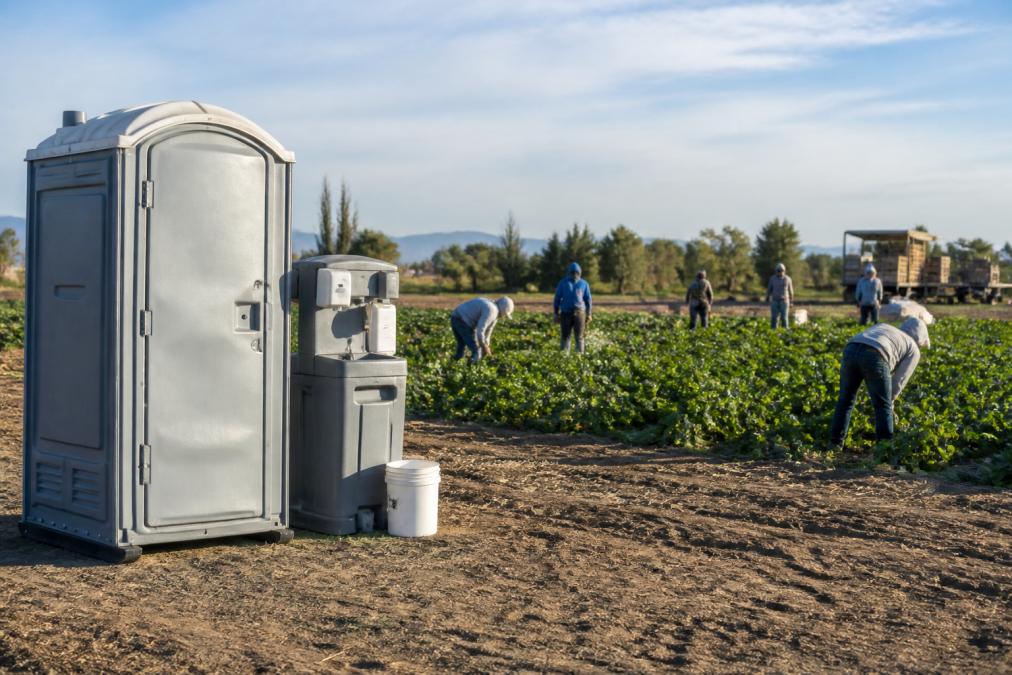
Portable restrooms are the foundation of field sanitation. A standard unit provides enclosed, private facilities that prevent contamination of crops and water sources. For agricultural settings, you'll typically need one restroom per 20 workers, though this varies based on work intensity and shift length (osha.gov).
Handwash stations are equally important. Handwashing prevents the spread of pathogens that can contaminate produce. A basic handwash station includes foot-pump or hand-pump water delivery, soap dispensers, and paper towel holders. Many operations combine portable restrooms with satellite handwash stations, one central restroom cluster with multiple smaller handwash points scattered across work zones. This reduces worker time away from tasks while maintaining sanitation standards.
Waste Hauling and Debris Removal
Agricultural waste management requires reliable waste hauling and debris removal. Farms generate significant solid waste during operations: packaging materials, crop residue, equipment maintenance waste, and general site debris. Without structured removal, waste accumulates and creates health hazards.
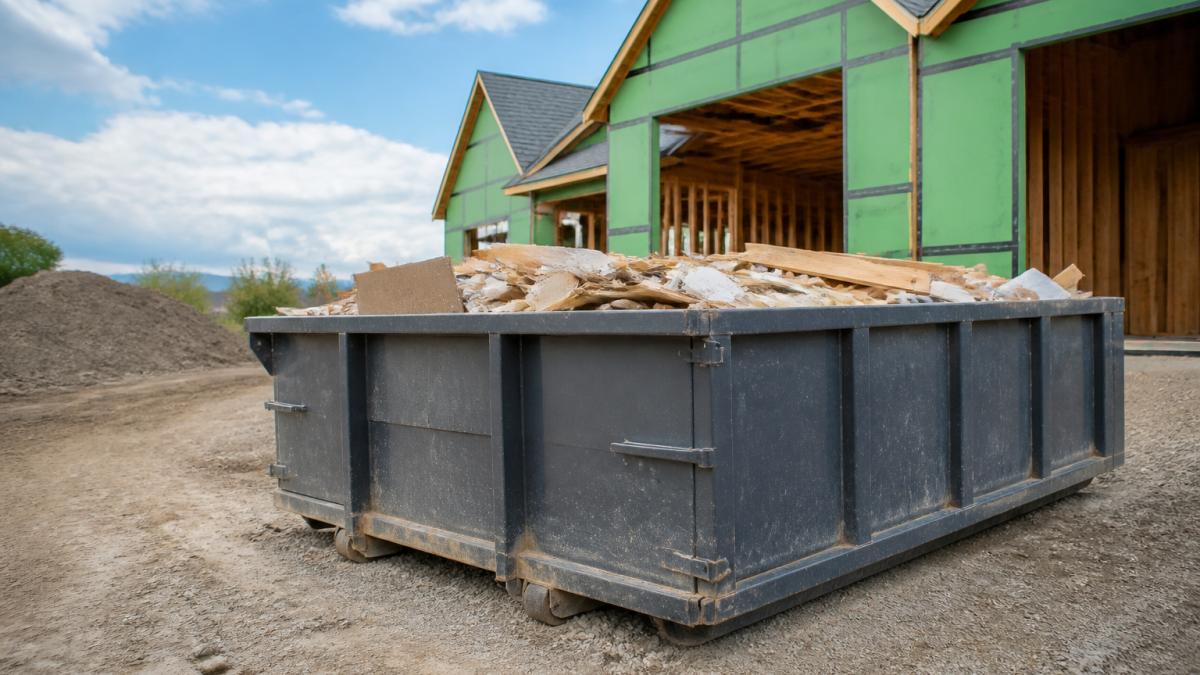
Roll-off dumpsters handle larger debris, while regular waste hauling manages smaller, frequent pickups. Establish a predictable collection schedule so waste doesn't pile up during critical work periods. Many farms pair sanitation services with waste hauling contracts to simplify logistics and ensure consistent service.
OSHA Field Sanitation Standards for Agricultural Workers
OSHA sets specific requirements for agricultural worker sanitation. Understanding these standards is non-negotiable for legal compliance and worker safety.
OSHA requires employers to provide sanitation facilities meeting minimum standards for all agricultural workers. According to OSHA's field sanitation regulations, employers must provide access to drinking water, restrooms, and handwashing facilities for all employees working in the field. Restrooms must be within a quarter-mile walking distance and accessible during all work hours.
For drinking water, OSHA mandates one cup per worker per day minimum, though this varies by climate and work intensity (osha.gov). The water supply must be protected from contamination and regularly tested for safety. Handwashing facilities must include soap, paper towels, and running water. Restroom facilities must be functional, sanitary, and available at all times workers are present, including toilet paper and nearby handwashing capability.
Violations carry significant penalties and create liability if workers become ill due to inadequate sanitation. Patriot Solutions helps farms meet these requirements by providing equipment that exceeds minimum standards and maintaining service schedules that keep facilities sanitary throughout the workday.
Portable Restroom Rental for Farms: What to Expect
Renting portable restrooms for farm operations differs from standard construction site rentals. Agricultural settings present unique challenges: remote locations, variable crew sizes, and extended operating seasons.
When you contract for portable restroom rental, expect to work with a provider who understands rural logistics. Delivery to remote properties requires reliable transportation and willingness to navigate unpaved roads. Pickup and servicing schedules must accommodate farm work calendars, farms can't afford service interruptions during critical harvest periods.
Standard rental includes regular servicing: waste removal, water replenishment, toilet paper restocking, and sanitation checks. Frequency depends on crew size and usage. A crew of 50 workers typically requires servicing every 2-3 days during active seasons. Quality matters more in agricultural settings than temporary construction scenarios. Reliable providers conduct inspections between service visits and respond quickly to maintenance issues.
Many farms opt for seasonal contracts that scale with crew demand. Summer harvest periods might require 8-10 units; winter operations might need only 2-3. Flexible contracts that adjust unit counts monthly prevent overpaying for unused capacity while ensuring sufficient facilities when demand peaks.
Developing an Agricultural Waste Management Plan
A comprehensive agricultural waste management plan prevents environmental violations, reduces disposal costs, and keeps your operation running smoothly.
Self-Management vs. Professional Outsourcing: The Trade-Off Framework
Many farm operators assume they should handle their own waste to save money. In reality, the math often favors outsourcing once you factor in labor, equipment, compliance risk, and disposal fees.
Self-management costs typically include:
- Labor: One worker spending 4-8 hours per week managing waste. At $18-$22/hour, that's roughly $3,700-$9,100 annually during active seasons.
- Equipment: Dumpsters, waste containers, and tools. Initial investment ranges from $2,000-$5,000; replacement and repair add $500-$1,500 yearly.
- Disposal fees: Tipping fees typically run $40-$80 per ton. A 50-person crew generating 2-3 tons of waste per week during a 12-week harvest season costs $4,000-$12,000.
- Compliance overhead: Time spent documenting waste streams and maintaining records. Non-compliance penalties range from $1,000 to $25,000+ per violation.
Professional outsourcing costs typically include:
- Service fees: Portable restroom and waste hauling contracts range from $300-$800 per month for small operations to $2,000-$5,000+ monthly for large seasonal crews.
- No hidden labor or equipment costs.
- Compliance is the provider's responsibility: They maintain certifications, handle regulatory documentation, and carry liability insurance.
The break-even point: For most farms with 30+ seasonal workers, outsourcing becomes cost-competitive or cheaper than self-management within the first season.
Categorizing Your Waste Streams
You must categorize waste correctly regardless of whether you outsource. Misclassification creates regulatory exposure and disposal problems.
Sanitation waste includes restroom waste, handwash water, and personal hygiene items. This requires licensed disposal and cannot be composted or recycled.
Operational waste includes packaging materials, crop residue, equipment maintenance waste, and general site debris. This category offers cost-reduction opportunities through sorting and recycling:
- Recyclables: Cardboard, plastic film, metal containers can offset disposal costs by $200-$1,000+ per season.
- Organic/compostable waste: Crop residue and plant material can be composted on-site or sent to agricultural waste facilities at reduced cost.
- Hazardous waste: Used oil, pesticide containers, chemical residue require special handling and licensed disposal at $50-$200 per container.
- General debris: Broken equipment and miscellaneous waste goes to landfills or waste-to-energy facilities.
Building Your Waste Management Plan
Establish collection points for each waste type. Sanitation waste goes to portable restrooms and designated waste containers near handwash stations. Operational waste should have dedicated dumpsters organized by material type, with recyclables clearly separated. Clear signage prevents contamination and makes sorting easier for crews.
Document your waste management procedures in writing. Record collection dates, quantities, disposal methods, and costs. This documentation demonstrates compliance during audits, provides data for cost analysis and optimization, and creates accountability if issues arise.
Partner with disposal providers who understand agricultural waste. Your waste management plan should specify how hazardous materials are handled and disposed of safely. Working with experienced providers often reduces per-unit disposal costs through volume discounts.
Monitoring and Adjusting Your Plan
After the first full season, review your waste data: total volume generated, disposal costs by category, recycling revenue, and any compliance issues. Many farms reduce waste volume by 15-25% through better sorting and recycling practices, translating to $500-$2,000 in annual savings.
Choosing a Reliable Sanitation Provider for Remote Areas
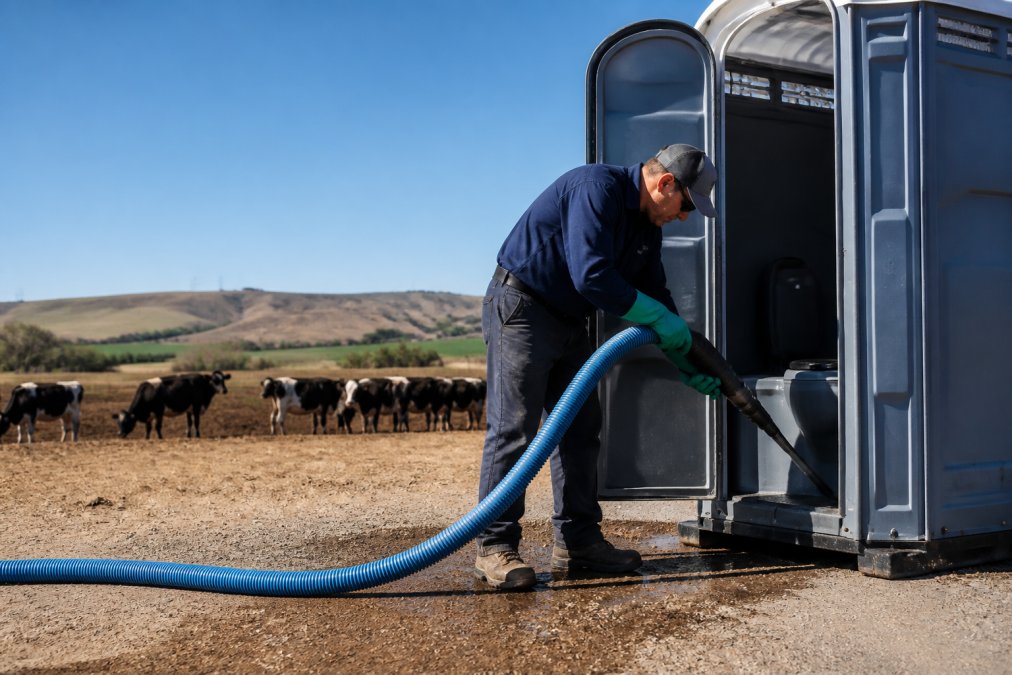
Selecting the right sanitation provider makes the difference between a smoothly operated farm and one plagued by service failures. For remote operations, farms more than 30 minutes from town or on unpaved roads, reliability becomes critical because backup options are limited and service delays directly disrupt harvest schedules.
Verify Remote-Area Service Capability
Not all sanitation providers are equipped to serve truly remote locations. Before contacting a provider, confirm they actually service your area.
Ask these specific questions:
- "What is your service radius from your nearest facility?" Reliable agricultural providers typically cover 60+ minute service areas.
- "Do you have equipment stationed in rural areas, or do you dispatch from a central hub?" Providers with satellite equipment locations respond faster to emergencies.
- "Have you serviced farms on unpaved roads or properties without direct road access?" Ask for specific examples and references.
- "What is your typical response time for emergency maintenance calls during peak harvest season?" Expect 4-8 hours for urgent issues; anything longer than 12 hours is unacceptable. Get this commitment in writing.
Evaluate Experience with Agricultural Operations
A company that primarily serves construction sites may not understand farm-specific challenges: seasonal demand fluctuations, extended operating hours, remote access roads, and the cost of downtime during harvest.
Request agricultural references and verify them directly. Contact at least three farm clients and ask about responsiveness during peak season, service failures and resolutions, OSHA compliance knowledge, flexibility with seasonal scaling, and pricing structure.
Assess Equipment Quality and Maintenance Standards
Portable restrooms vary dramatically in quality and maintenance. Well-maintained units reduce worker illness and improve morale; neglected units become health hazards.
Request a site visit to inspect equipment before signing a contract. Look for fresh paint with no rust or visible damage, clean interiors with functional fixtures, adequate ventilation, working handwash stations with soap and paper towels, and service documentation showing maintenance logs. If a provider resists site visits or can't show maintained equipment, find another provider.
Verify OSHA Compliance Knowledge
Your sanitation provider should explain how their equipment and service schedules meet OSHA field sanitation standards without you having to educate them.
Ask these compliance-specific questions:
- "How do you ensure restrooms are within a quarter-mile walking distance of work areas?"
- "What is your standard service frequency for portable restrooms, and how does it scale with crew size?"
- "How do you maintain handwashing facilities to meet OSHA standards?"
- "Do you provide documentation of service visits for compliance audits?"
Providers who can't articulate OSHA requirements probably haven't worked extensively in agricultural sanitation.
Establish Clear Pricing and Contract Terms
Sanitation services should be straightforward: equipment cost, service frequency, and any additional charges clearly stated upfront.
Insist on a written contract that specifies:
- Monthly equipment costs
- Service frequency and what's included
- Emergency service fees, if any
- Seasonal scaling terms
- Response time commitments for equipment failures
- Liability and insurance coverage
Avoid providers who quote vague estimates, bundle services without itemizing costs, or include surprise fees.
Build a Backup Plan
Even with a reliable provider, remote areas can experience service disruptions. Establish a backup arrangement: identify a second sanitation provider in your region, maintain a small inventory of backup supplies (toilet paper, hand sanitizer, paper towels, cleaning supplies), or consider purchasing one portable restroom unit outright for emergency capacity.
Scaling Sanitation Services with Seasonal Crew Demands
Most farms operate with dramatically different crew sizes across seasons. Spring planting might require 15 workers; summer harvest could demand 100+. Your sanitation infrastructure must scale accordingly without wasting resources during slow periods.
Build flexibility into your sanitation contract from the start. Specify that you need the ability to increase or decrease equipment counts monthly based on crew size. Communicate crew size projections to your sanitation provider well in advance, most providers need 2-4 weeks' notice to deliver additional equipment during peak seasons.
Plan for peak season before it arrives. Identify the maximum crew size you'll employ and calculate sanitation requirements accordingly. Arrange equipment delivery before you need it rather than scrambling when harvest begins. During off-seasons, reduce your sanitation footprint but maintain basic infrastructure. Many farms maintain 1-2 portable restrooms year-round and scale up dramatically during peak periods.
Conclusion
Sanitation services for rural farm crews represent an investment in worker health, regulatory compliance, and operational efficiency. The right infrastructure prevents illness, maintains productivity, and protects your farm from legal exposure. Patriot Solutions understands the unique demands of agricultural sanitation and delivers clean, well-maintained equipment paired with dependable local service that keeps your operation running smoothly through every season. Our team prioritizes rapid response and flexible scheduling because we know that downtime during critical work periods costs money. Ready to upgrade your farm's sanitation infrastructure? Contact Patriot Solutions today for a consultation about portable restrooms, handwash stations, and waste management solutions tailored to your crew's specific needs.
Frequently Asked Questions
What are the OSHA requirements for field sanitation in agriculture?
OSHA requires employers to provide accessible toilet facilities and handwashing stations for agricultural workers. Toilets must be within a quarter-mile walk of work areas, and handwashing stations need potable water, soap, and paper towels. For crews working in remote locations, portable restroom rental for farms becomes essential to meet these standards. Failure to comply can result in citations and penalties. Your sanitation provider should understand these requirements and help ensure your setup stays compliant.
How often should portable restrooms be serviced for farm crews?
Portable restrooms should be serviced at minimum twice per week for active farm crews, though daily service is common during peak seasons. Frequency depends on crew size, weather, and usage patterns. A reliable provider will work with you to establish a service schedule that keeps equipment sanitary and prevents downtime. Discuss your crew's rotation schedule and peak work periods when arranging portable restroom rental for farms to ensure adequate servicing.
What should be included in an agricultural waste management plan?
An agricultural waste management plan identifies all waste streams on your operation, assigns responsibility for collection and disposal, and ensures compliance with environmental regulations. It covers solid waste cleanup, hazardous waste disposal, recycling programs, and illegal dumping prevention. Your plan should specify which materials go into roll-off dumpsters versus specialized disposal, and establish schedules for hauling and collection. Working with a sanitation provider experienced in agricultural waste management helps you create and maintain a plan that protects both your operation and the environment.
Can sanitation services scale with seasonal changes in crew size?
Yes. Most providers offer flexible scheduling and equipment counts to match your seasonal demands. You can increase portable toilets and handwash stations during peak harvest or construction periods and reduce them during slower months. Discuss your operational calendar upfront with your provider so they can accommodate variable demand without locking you into a fixed contract. This flexibility is especially important for farms with temporary seasonal workers.
This article was written using GrandRanker