 how-to
How Many Portable Toilets for 75 Guests: Event Planning Guide
Table of Contents
- How Many Portable Toilets Do You Need for 75 Guests?
- Factors That Influence Portable Toilet Requirements
- Portable Restroom Placement Best Practices
- How to Prepare for Portable Toilet Delivery
- Understanding Portable Toilet Rental Cost and Budgeting
- Maintenance and Servicing During Your Event
- Post-Event Cleanup and Waste Disposal Logistics
- Conclusion
Last Updated: August 27, 2026
How Many Portable Toilets Do You Need for 75 Guests?
Planning an event for 75 people requires careful attention to sanitation logistics. The question of how many portable toilets you need isn't one-size-fits-all; it depends on event type, duration, and attendee behavior.
At Patriot Solutions, we've helped event planners navigate these decisions for everything from backyard weddings to construction site gatherings. The difference between adequate sanitation and frustrated guests often comes down to understanding the variables that influence your actual needs.
The Basic Rule of Thumb
The standard industry guideline suggests one portable toilet per 50 guests for most events. For 75 guests, that points toward 1-2 units as a baseline. However, this assumes a relatively short event (2-3 hours) with moderate usage and no alcohol service.
A single portable toilet can technically serve 50 people, but most event organizers find that 2 units for 75 guests provides comfortable spacing and reduces lines during peak hours. If your event runs longer than 4 hours or includes alcohol service, plan for 3 units to maintain guest comfort.
Adjustments for Event Type and Duration
Event type and length create the real variation in portable toilet requirements.
For short events under 3 hours (cocktail receptions, award ceremonies, corporate meetings), 2 units for 75 guests is typically sufficient. Peak usage clusters around arrival and departure, but circulation spreads across the duration.
For events lasting 4-6 hours (weddings, festivals, outdoor parties), plan for 3 units. These gatherings create multiple usage cycles with distinct peaks: right after arrival, during meal service, and toward the end. A third unit absorbs these waves without bottlenecks.
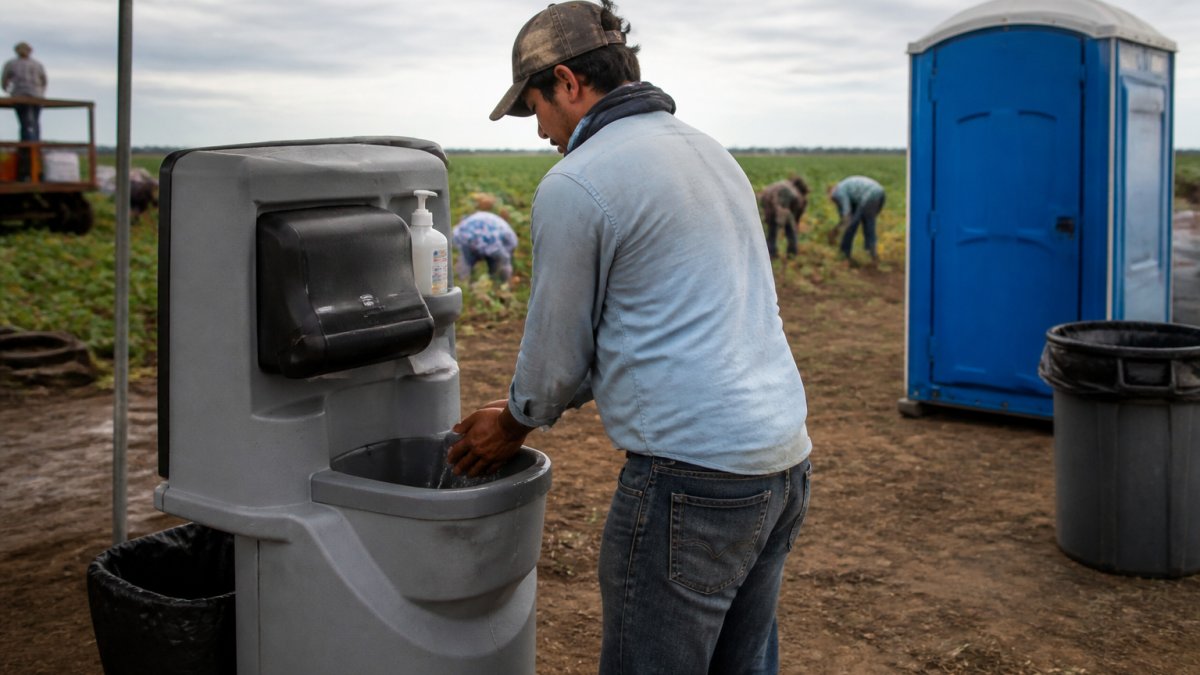
For full-day or multi-day events (outdoor festivals, construction sites, farm operations), a 10-hour event might require 4-5 units for 75 people. Multi-day events assume continuous, staggered usage throughout operating hours.
Factors That Influence Portable Toilet Requirements
Beyond guest count and duration, several variables shift your actual needs.
Event Duration and Peak Usage Hours
Duration multiplies the baseline calculation. A 2-hour event compresses all usage into a tight window, while a 6-hour event spreads it across multiple cycles, reducing peak demand at any moment.
Most events see heaviest restroom traffic during the first 30 minutes after arrival, during meal service, and as the event winds down. Construction sites and agricultural operations face different patterns, ongoing work environments with more consistent usage throughout the day but predictable surges at shift changes and meal breaks.
Alcohol Service and Consumption Rates
Events serving alcohol see approximately 20-30% higher restroom usage compared to non-alcoholic events of the same length and size (peer-reviewed research). Guests at events with alcohol use facilities more frequently and unpredictably.
A wedding reception with a 4-hour open bar for 75 guests might warrant 3-4 portable toilets, while a 4-hour corporate lunch without alcohol works fine with 2 units.
Weather Conditions and Site Conditions
Cold weather reduces usage slightly; hot weather increases it. A summer outdoor wedding at 95 degrees generates higher restroom traffic than the same event in mild spring weather.
Muddy or uneven ground makes walking to distant toilets unpleasant, which paradoxically increases usage. Well-maintained sites with clear pathways reduce the perception of crowding. Extreme weather also affects servicing, heavy rain can make mid-event servicing difficult, so plan slightly higher capacity to avoid overflow.
Portable Restroom Placement Best Practices
Where you position portable toilets matters as much as how many you have. Poor placement creates the perception of scarcity even with adequate units.
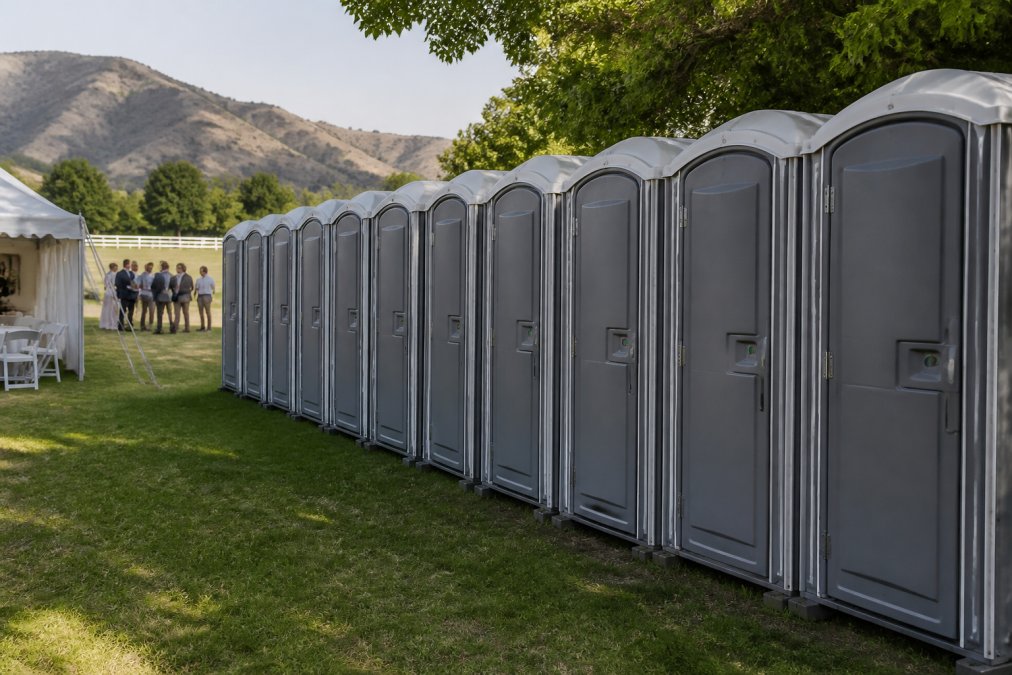
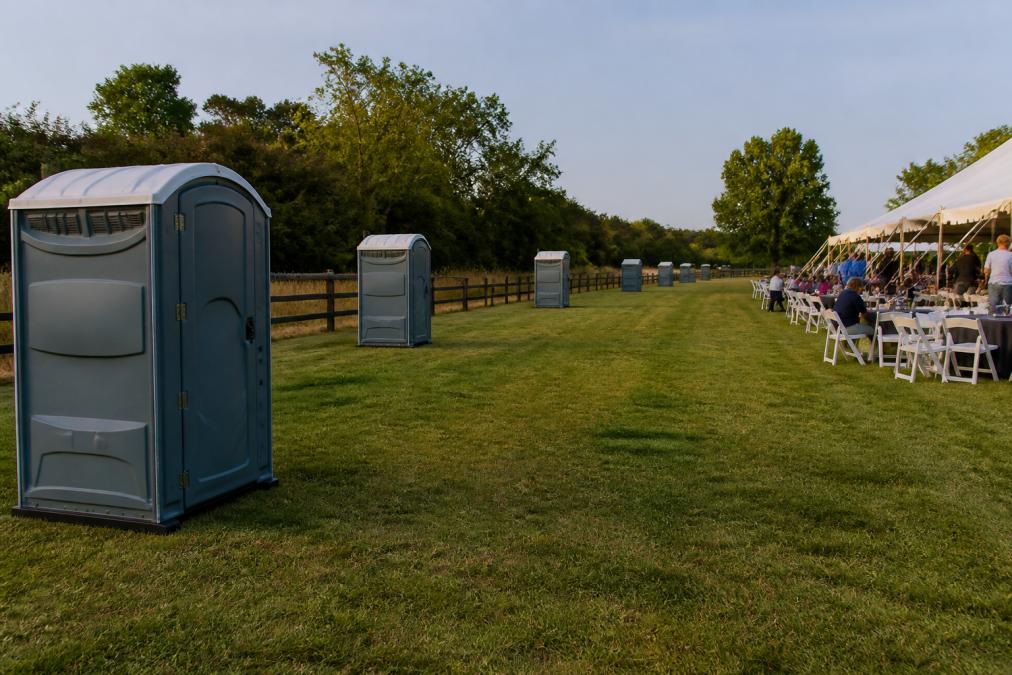
Position toilets within 100-150 feet of the main gathering area. Guests should reach facilities without feeling they're leaving the event. For large or spread-out spaces, cluster units near each zone rather than centralizing them.
Visibility and accessibility are critical. Place units where guests can easily see them, reducing search time. Adequate lighting for evening events is essential. Avoid placing units directly upwind of seating or dining areas, wind direction affects odor significantly.
For ADA requirements, accessible units must be on level ground with clear approach paths, typically requiring additional space. This often means placing ADA-compliant units separately, which can increase your total unit count slightly.
How to Prepare for Portable Toilet Delivery
Successful delivery requires site preparation that many organizers underestimate.
Site Accessibility and Space Requirements
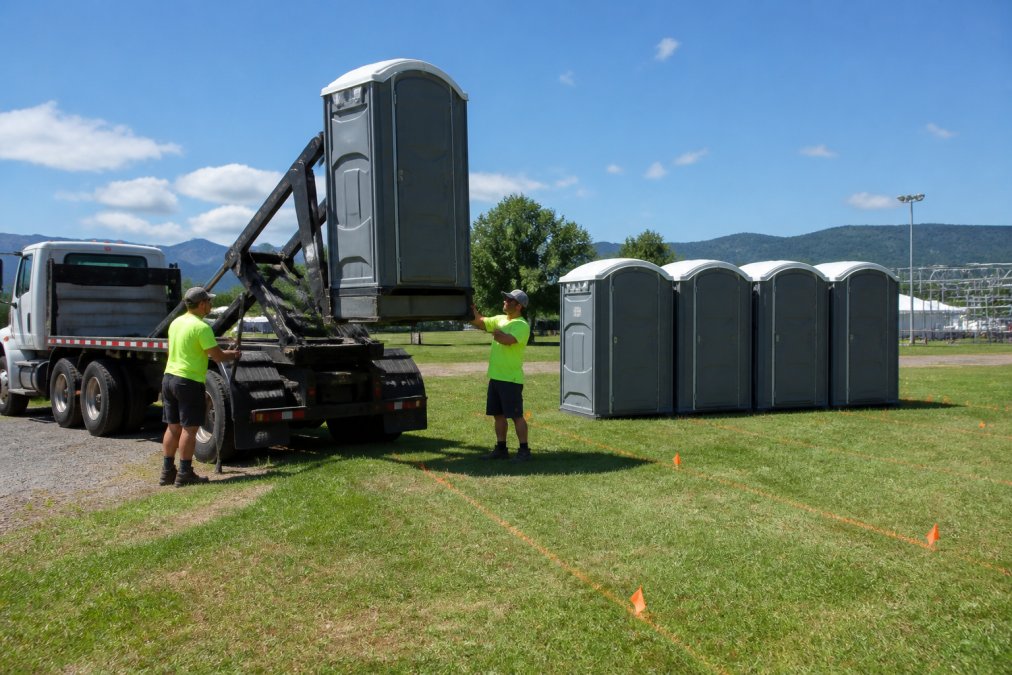
Verify your site can accommodate delivery trucks, which typically require 12-14 feet of width and 35-40 feet of length. Check for low-hanging power lines, tree branches, or structures that could impede access.
Ground conditions matter significantly. Soft, muddy, or waterlogged ground can trap vehicles or cause units to settle unevenly. If your site has poor drainage, request delivery at least 24 hours before your event. For questionable ground conditions, consider requesting plywood ground protection.
Clear the delivery path of obstacles: parked cars, temporary structures, landscaping, or debris. Identify exact placement locations before the truck arrives to speed the process.
ADA Compliance and Accessibility Needs
Federal regulations require that events open to the public provide accessible restroom facilities. ADA-compliant portable toilets must have a clear floor space of at least 60 inches wide and 56 inches deep, allowing wheelchair access and turning space (ada.gov). The entrance must be no higher than 1 inch above ground level, with an approach path at least 36 inches wide and relatively level (ada.gov).
For a 75-guest event, plan for at least 1 ADA-compliant unit if your event is open to the public or likely to include disabled guests. Book ADA-compliant units early to ensure availability and proper placement planning.
Understanding Portable Toilet Rental Cost and Budgeting
Portable toilet rental pricing depends on quantity, rental duration, delivery distance, and additional services. Pricing typically reflects a base rental fee per unit, plus delivery and pickup charges. Longer rental periods often have lower per-day rates than short-term rentals.
Hidden Fees and What to Expect
Beyond per-unit rental charges, several fees commonly surprise organizers. Delivery fees vary based on distance from the rental company's service area. Service calls during your event, emptying tanks if usage exceeds expectations, carry additional charges. Restocking supplies (toilet paper, hand sanitizer, soap) typically incurs a service fee.
Damage fees apply for significant damage beyond normal wear. Late return fees apply if you keep units beyond the scheduled pickup date. Some rental companies charge extra for weekend or holiday events.
Request a detailed quote itemizing all costs: unit rental, delivery, pickup, mid-event servicing, and potential additional fees. Patriot Solutions provides clear pricing breakdowns without hidden costs.
Maintenance and Servicing During Your Event
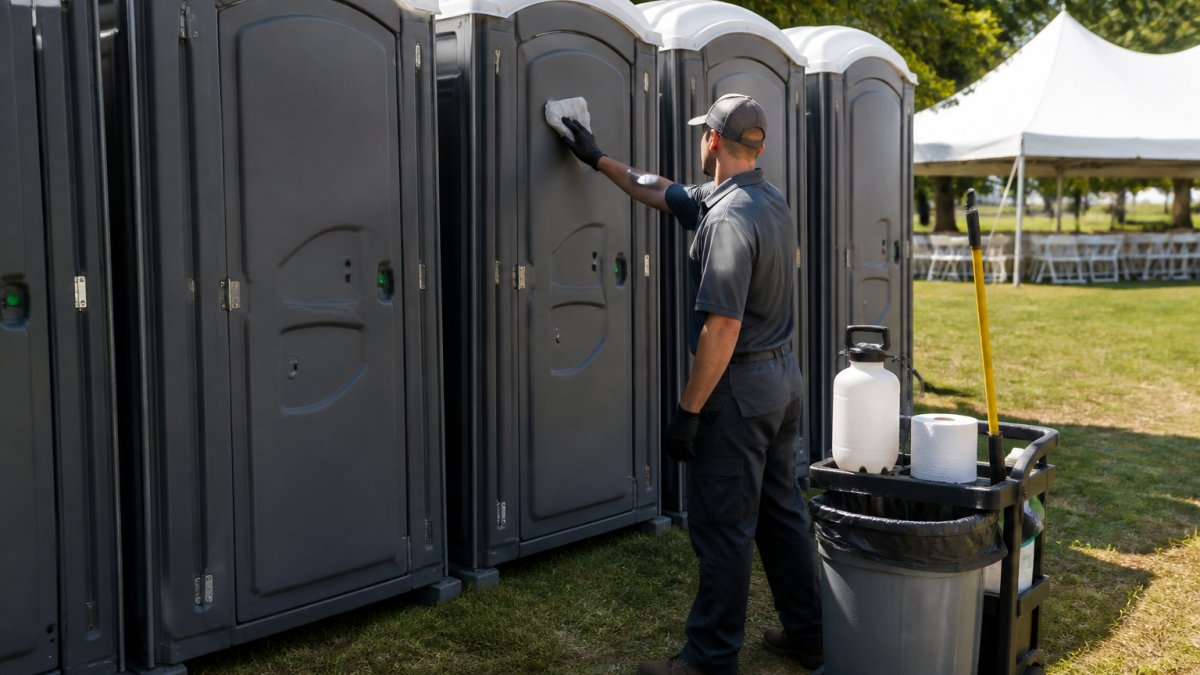
For events lasting more than 4-5 hours, plan for mid-event servicing. A portable toilet that fills during a long event creates discomfort and reflects poorly on your planning.
Servicing frequency depends on usage intensity. A 6-hour wedding with 75 guests might require one service call halfway through. A 10-hour festival might need two. Construction sites with 75 workers typically require daily servicing, sometimes multiple times daily.
Coordinate servicing timing with your event schedule. Avoid scheduling during peak usage times (meal service, breaks). Early morning or late evening servicing works better. Patriot Solutions maintains responsive service schedules to handle mid-event needs without leaving you stranded.
Post-Event Cleanup and Waste Disposal Logistics
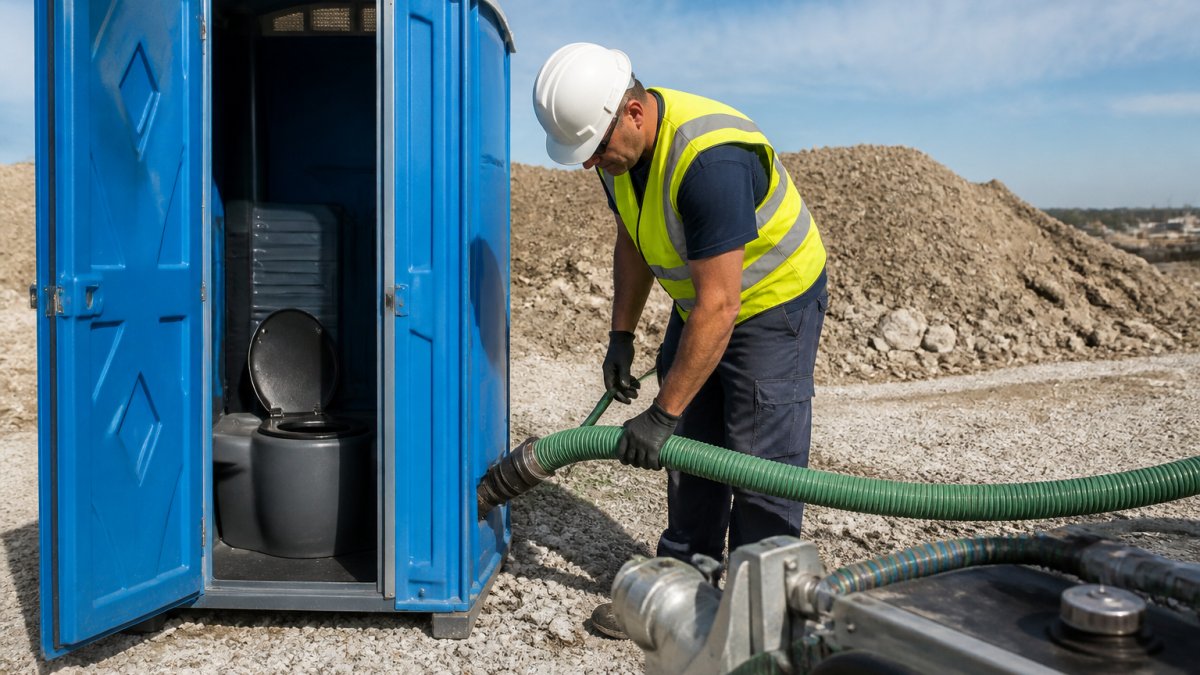
Portable toilet waste requires professional disposal at licensed facilities. Rental companies handle this as part of their service.
Waste capacity in your portable units should handle your event's total usage without overflow. For a 75-guest event with 2-3 portable toilets, standard 40-50 gallon tanks typically suffice for events up to 8 hours. Longer events or higher usage require larger capacity units or multiple service calls.
Coordinate final pickup timing with your rental company. Most require at least 24 hours notice, though Patriot Solutions can often accommodate faster turnaround for local events. Ensure the site is clear of obstacles for removal.
Portable toilet placement typically leaves minimal impact, but heavy rain or repeated servicing truck visits can create soft spots. If renting a venue, verify site restoration expectations before the event.
Getting the portable toilet count right for 75 guests comes down to understanding your specific event: its duration, attendee type, whether alcohol is served, and site conditions. A 2-3 hour afternoon event works with 2 units. A 6-hour evening wedding with alcohol warrants 3 units. A full-day festival or construction site needs 4 or more.
Patriot Solutions specializes in right-sizing sanitation solutions for events and projects across the region. We'll help you determine the exact number of portable toilets your event requires, handle delivery to your site, and provide responsive servicing if needs change. Our clean, well-maintained equipment and dependable local service ensure your guests experience professional sanitation facilities. Contact Patriot Solutions for a quote tailored to your specific event or project needs.
Frequently Asked Questions
How many portable toilets per person do I need for an event?
The standard rule is 1 portable toilet for every 50 guests for a 4-hour event. For 75 guests, this means 1-2 units minimum. However, this varies based on event duration, alcohol service, and guest demographics. Longer events (8+ hours) or those serving alcohol may require additional units to maintain sanitation standards and guest comfort. Peak usage hours, typically during meals and early evening, drive the need for extra capacity.
Does alcohol consumption increase the number of portable toilets needed?
Yes. Events serving alcohol typically see 20-30% higher restroom usage compared to dry events of the same duration. For a 75-guest wedding or party with alcohol service, add 1 extra unit beyond your base calculation. This accounts for increased frequency of use and longer occupancy times. If your event features open bar service throughout, consider adding another unit to avoid long wait times and maintain hygiene standards during peak hours.
What factors influence portable toilet placement at an event?
Key placement factors include proximity to gathering areas (within 100-150 feet for guest convenience), accessibility for delivery and servicing trucks, ground stability and drainage, and distance from food preparation areas. Place units on level ground away from high-traffic zones to minimize foot traffic and contamination risk. For outdoor events, consider weather exposure and shade. Ensure adequate spacing between units and maintain clear access routes for maintenance crews. ADA-compliant units should be positioned near accessible parking and pathways.
What hidden fees should I budget for when renting portable toilets?
Common hidden costs include delivery and pickup fees, servicing charges during multi-day events, overage fees for waste capacity, damage deposits, and surcharges for remote locations or difficult site access. Rental agreements often include limited servicing; additional pumping may cost extra. Ask your provider upfront about all-inclusive pricing, servicing frequency, and what's covered in your rental quote. Understanding these details prevents budget surprises and ensures consistent sanitation throughout your event.
This article was written using GrandRanker