 ultimate-guide
Why You Need a Dumpster for Demolition Debris
Table of Contents
- Why a Dedicated Dumpster Is Non-Negotiable for Demolition Debris
- How to Calculate Dumpster Size for Demolition
- Prohibited Items in Construction Dumpsters
- Dumpster Rental Duration for Home Renovations
- Weight Limits, Permitting, and Disposal Regulations
- Job Site Safety and Project Efficiency Gains
- Conclusion
- Frequently Asked Questions
Last Updated: September 17, 2026
Why a Dedicated Dumpster Is Non-Negotiable for Demolition Debris
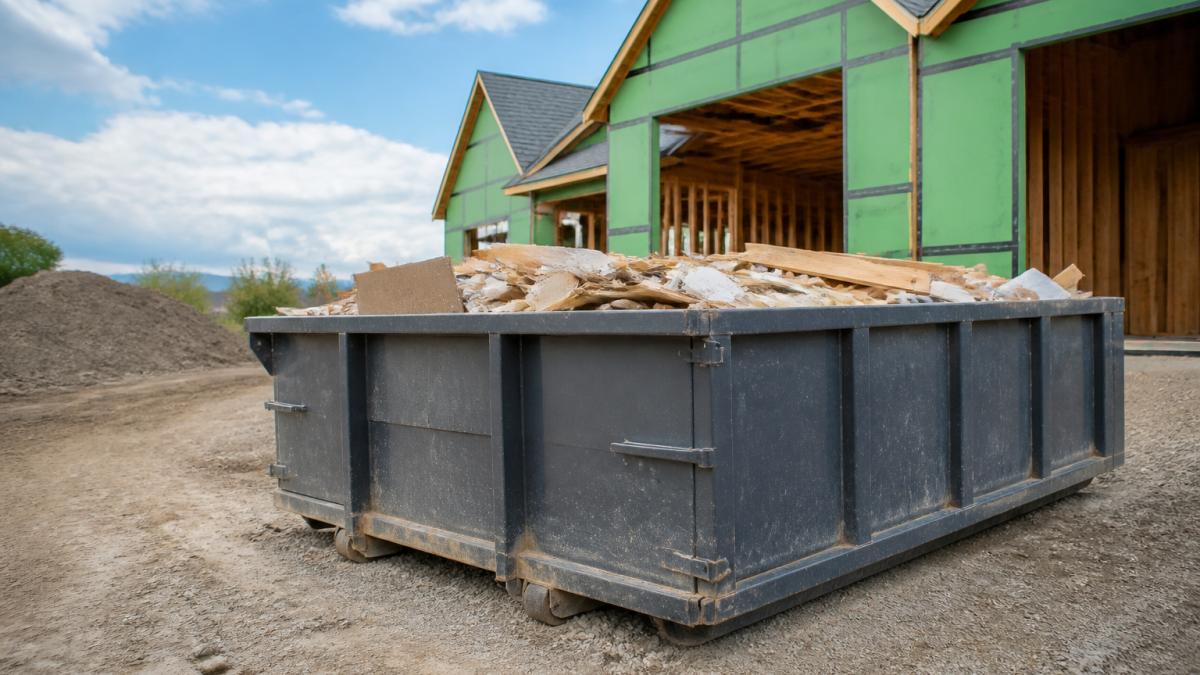
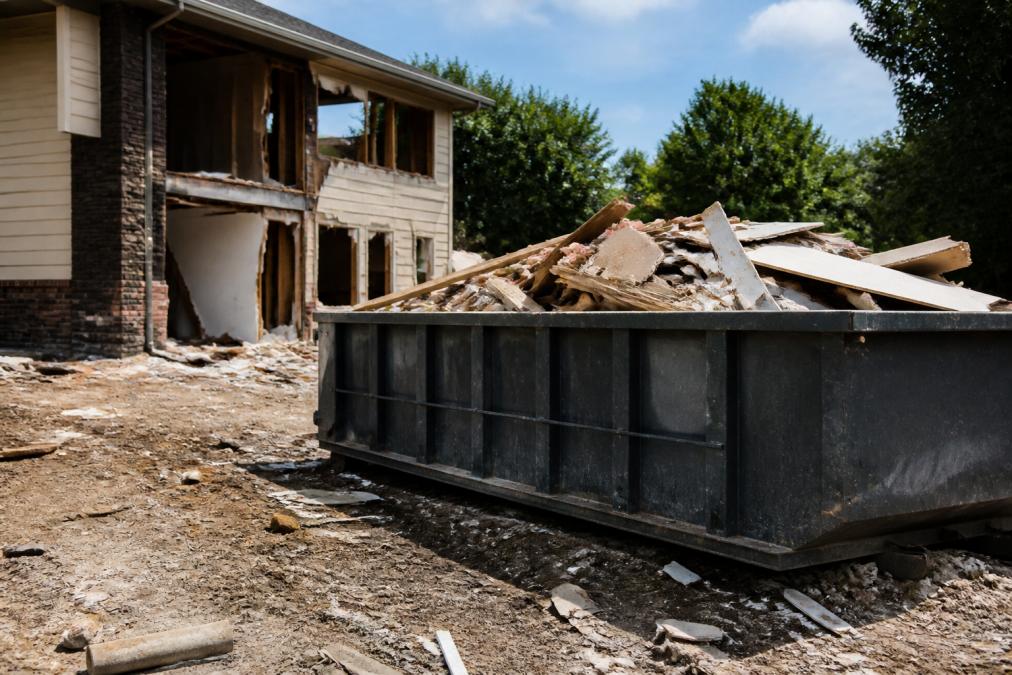
Demolition debris is heavy, bulky, and unforgiving, which is why you need a dumpster for demolition debris. A dedicated roll-off dumpster for demolition debris is a heavy-duty container sized and permitted for construction and demolition waste, and it is the only practical way to keep a teardown or renovation moving.
The Real Cost of Piecemeal Debris Removal
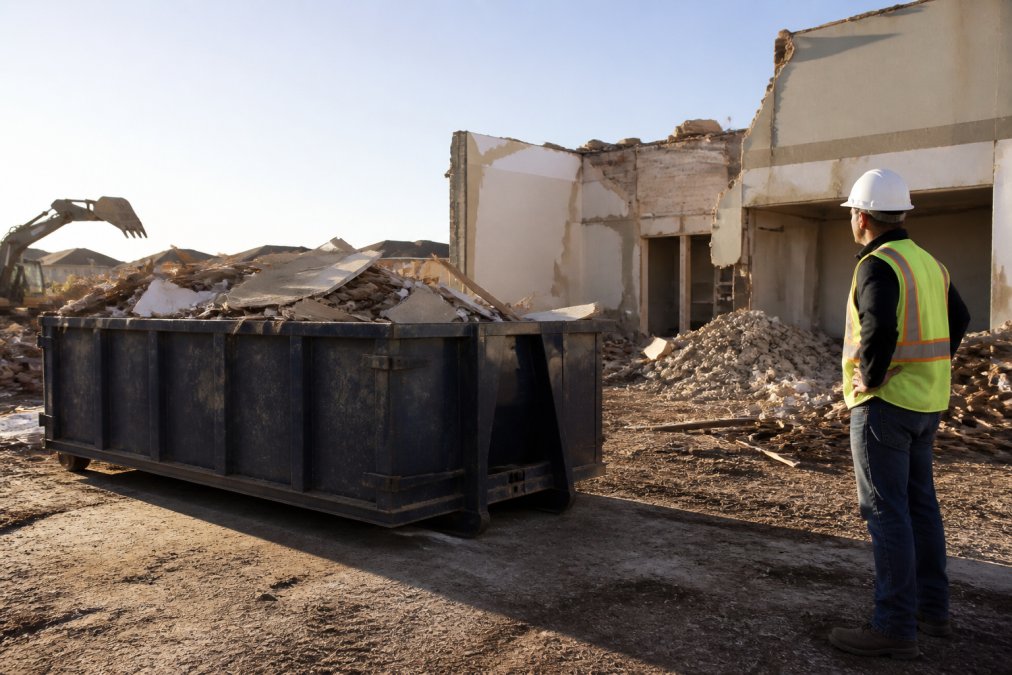
Piecemeal removal looks cheaper until you count the hours. Every trip to a transfer station pulls a crew member and a vehicle off the job for part of a day, and those trips multiply fast on structural demolition. A single on-site container replaces dozens of those runs, which is why most contractors treat container sizing as a scheduling decision, not just a purchasing one.
How to Calculate Dumpster Size for Demolition
Learning how to calculate dumpster size for demolition comes down to volume and weight together, not volume alone. Demolition debris is far denser than household clutter, so a container that looks half empty can already be at its tonnage limit. The two-step method below is what most experienced contractors run in their head before they call the hauler.
Step 1: Estimate Volume in Cubic Yards
Volume is the easy half. For a room-by-room gut, a rough rule of thumb is that a full interior demolition of a 1,000-square-foot home produces somewhere in the range of 20 to 40 cubic yards of loose debris, depending on how much cabinetry, flooring, and drywall comes out. Structural demolition of the same footprint produces considerably more, because framing, sheathing, and roofing all come down at once.
A few practical volume anchors:
- A single bathroom gut: roughly 5 to 10 cubic yards
- A kitchen gut with cabinetry and flooring: roughly 10 to 15 cubic yards
- A full interior renovation of a 1,500-square-foot home: roughly 20 to 30 cubic yards
- A detached garage teardown: roughly 20 to 30 cubic yards
- A whole-house teardown: 40 cubic yards and up, usually across multiple container swaps
Step 2: Convert Volume to Weight Using Material Density
This is the step most guides skip, and it is the one that determines your bill. Multiply the estimated volume of each material by its approximate density to get a rough tonnage:
| Material | Approx. Density | Notes |
|---|---|---|
| Concrete / brick / block | 1.0 - 1.5 tons per cubic yard | Heaviest common debris |
| Dirt and gravel | 1.0 - 1.3 tons per cubic yard | Often excluded from standard containers |
| Roofing shingles | 0.7 - 1.0 tons per cubic yard | Dense and hard to load evenly |
| Drywall | 0.4 - 0.6 tons per cubic yard | Heavier when wet |
| Dimensional lumber | 0.2 - 0.3 tons per cubic yard | Light for its bulk |
| Mixed C&D (typical) | 0.5 - 0.8 tons per cubic yard | Use as a default when unsure |
Matching Container Sizing to Project Scale
Match container sizing to project scale with a simple rule: estimate cubic yards of debris, convert to tons using the density table, then pick the container whose tonnage allowance clears your estimate with margin.
| Project Type | Typical Container | Watch For |
|---|---|---|
| Single bathroom or kitchen gut | 10-15 yard | Tile and drywall weight |
| Full interior renovation | 20 yard | Mixed heavy debris |
| Small structural demolition | 30 yard | Concrete and masonry |
| Whole-building teardown | 30-40 yard, multiple swaps | Tonnage limits |
| Concrete slab or foundation removal | 20-30 yard, heavy-duty rated | Density, not volume, is the constraint |
When to Split Loads Instead of Sizing Up
Sizing up is not always the answer. A 40-yard container has a larger tonnage allowance than a 20-yard, but the allowance does not scale linearly with volume, you may pay for 40 yards of space and still hit the cap on a concrete-heavy load. On jobs where heavy and light debris are generated at the same time, two smaller containers (one heavy, one light) frequently beat one large container on total cost and on schedule, because the light container keeps getting emptied while the heavy one fills.
Prohibited Items in Construction Dumpsters
Knowing the prohibited items in construction dumpsters prevents the overage fees and rejected loads that wreck a project budget. Construction and demolition containers accept most building debris, but a short list of materials will get a load turned away.
- Accepted: drywall, lumber, roofing, concrete, brick, tile, cabinetry, and most renovation waste
- Prohibited: paint, solvents, asbestos, treated wood, refrigerants, and anything classified as hazardous materials
- Also prohibited: tires, batteries, and liquids of any kind
Dumpster Rental Duration for Home Renovations
Dumpster rental duration for home renovations usually runs from a few days for a single-room gut to several weeks for a full remodel. The right duration matches your debris generation curve, not a flat calendar window.
Weight Limits, Permitting, and Disposal Regulations
Weight limits, permitting, and disposal regulations are where most demolition projects get surprised. Two numbers govern almost every roll-off rental: the container's volumetric capacity in cubic yards and its tonnage cap in tons. A 20-yard container is not "20 yards of anything", it is 20 yards of volume up to a fixed weight, and demolition debris hits that weight long before it hits the rim.
Tonnage Caps and How Overage Is Billed
Every roll-off container has a stated tonnage allowance, typically printed on the rental agreement. Fill past it and you are billed per ton over the cap, plus a possible re-weigh fee. The math is unforgiving because demolition debris is dense:
- Concrete and brick: roughly 1 to 1.5 tons per cubic yard. A 20-yard container can hit a 10-ton cap at roughly one-third full.
- Drywall: heavy for its bulk, especially when wet from a plumbing rough-in.
- Roofing shingles: dense and awkward to load, so they stack tight and add weight fast.
- Lumber, insulation, cabinetry: light for their volume, which is why they belong in a separate load from masonry.
Ask the dispatcher two questions before you book: what is the tonnage allowance, and what is the per-ton overage rate? If you cannot get a straight answer, call a different hauler. The overage rate is where the surprise lives.
Street and Sidewalk Permits for Container Placement
If the container lands on private property, a driveway, a lawn, a parking lot, you usually do not need a permit. The moment it touches a public right-of-way, you do. That includes the street, the sidewalk, the parkway strip between curb and sidewalk, and any alley maintained by the municipality.
- Application through the local public works or transportation department, often with a short review window.
- Proof of insurance from the hauler, naming the municipality as additional insured in some jurisdictions.
- Reflective markings or cones at the corners of the container, and sometimes flashing barricades at night.
- Time limits, many permits run 3 to 7 days and require renewal if the container stays longer.
- A no-parking posting window so the space is cleared before delivery.
Hazardous Material Identification Before Teardown
Hazardous material identification should happen before demolition begins, not during loading. In buildings constructed before the late 1970s, asbestos-containing materials and lead-based paint are common, and neither can go into a standard construction container. Federal rules under the EPA and OSHA govern how these materials are handled, and many states layer additional requirements on top.
Materials worth flagging on your pre-demolition walk:
- Asbestos: pipe insulation, floor tile and mastic, popcorn ceiling texture, roof flashing, siding, and some joint compounds.
- Lead paint: pre-1978 painted surfaces, especially on windows, doors, and trim.
- Treated lumber: decking, sill plates, and anything rated for ground contact.
- Refrigerants and appliances: sealed systems that must be evacuated before scrapping.
- Fluorescent lamps and ballasts: mercury-containing, and separately regulated in most states.
A practical pre-teardown checklist:
- Walk the structure and photograph suspect materials before any wall opens
- Pull the construction date from the county assessor or permit records
- Test anything that could contain asbestos or lead through a licensed inspector
- Abate hazardous material with a licensed contractor before structural demolition
- Separate treated wood and appliances from the general debris stream
- Document what was removed, by whom, and where it was disposed
Disposal Regulations and Landfill Rules
Disposal regulations vary by state and county, and permitted waste rules govern what can legally enter a landfill or transfer station. Two practical consequences for contractors:
- Loads are subject to inspection. Transfer stations and landfills can and do pull containers for visual inspection, and a rejected load comes back to your site at your cost.
- Recycling separation is increasingly required. Several states and many municipalities now mandate diversion of clean concrete, metal, and asphalt shingles from the general waste stream on demolition projects above a certain size.
Job Site Safety and Project Efficiency Gains
Job site safety and project efficiency gains go hand in hand with on-site containment. Loose debris creates trip hazards, blocks egress, and slows every trade that follows. A container placed near the work zone keeps walkways clear and lets crews load as they go instead of stockpiling.
Conclusion
Managing demolition debris well comes down to planning the container before the first hammer swings. Patriot Solutions supplies clean roll-off dumpsters and portable restrooms with fast, dependable local delivery for demolition and renovation projects. With reliable equipment, clear guidance on prohibited items, and pickup you can schedule around, you get a job site that stays on track. Get started with Patriot Solutions and keep your project moving without the debris pileup.
Frequently Asked Questions
What types of materials are classified as construction and demolition debris?
Construction and demolition debris includes concrete, drywall, lumber, roofing shingles, brick, tile, and fixtures pulled from renovation or structural demolition. Most of it is bulky and heavy, which is why a roll-off dumpster is the standard container. Some items, like asbestos-containing materials, lead paint, and treated wood, are classified as hazardous and cannot go in a standard demolition dumpster. Check with your hauler before loading anything you are unsure about.
How do I know if I need a permit for a dumpster on my property?
Permit rules vary by city and county. If the container sits in your driveway or on private property, a permit is often not required. If it has to go in the street or a public right-of-way, most municipalities require a right-of-way permit. Call your local public works department before delivery to confirm. Your hauler can usually tell you what the area requires, but the permit is typically the property owner's responsibility.
What happens if I overload the dumpster past its weight limit?
Every roll-off dumpster has a tonnage limit, often 1 to 2 tons for smaller sizes and more for larger ones. If you exceed it, you will be charged an overage fee per additional ton. Heavy materials like concrete and dirt hit the limit fast, so a 20-yard container full of concrete can weigh far more than a 20-yard container full of drywall. Ask about the weight allowance before you book.
Can I put yard debris or household trash in a demolition dumpster?
Usually not. Demolition dumpsters are intended for construction and demolition debris only. Yard waste, household garbage, tires, appliances with refrigerant, and liquid waste are commonly prohibited because they contaminate recycling streams or require separate disposal. Mixing them in can trigger extra fees or a rejected load. If you have both renovation waste and yard debris, ask your hauler whether you need separate containers.