 how-to
Scaling Sanitation Services for Seasonal Crews
Table of Contents
- Why Seasonal Demand Breaks Standard Sanitation Plans
- OSHA Portable Toilet Requirements for Seasonal Job Sites
- Portable Restroom Service Frequency That Prevents Downtime
- Waste Management for Construction Sites With Crews in Flux
- Build a Flexible Staffing Model That Scales With Demand
- Standardize Training to Keep Temporary Crews Productive
- Technology Stack for Tracking Job Duration and Productivity
- When Outsourcing Beats In-House Scaling
- Frequently Asked Questions
Last Updated: September 7, 2026
Why Seasonal Demand Breaks Standard Sanitation Plans
Seasonal demand is the silent killer of sanitation schedules. When crews swell from 15 workers to 150 overnight, the fixed service plans that worked in the off-season collapse. Portable restroom servicing, waste disposal routes, and dumpster pickup windows all need to flex, and most standard contracts simply don't.
Scaling sanitation services for seasonal crews requires a shift from reactive scheduling to proactive capacity planning. Refuse collection and sanitation needs don't grow linearly with headcount; they spike in bursts tied to shift changes, meal times, and weather. A missed pickup during a peak week can halt an entire project.
Many managers treat sanitation as an afterthought until it breaks, leaving overflowing units, unhappy workers, and compliance headaches. The solution is to build a staffing and service model that anticipates surges before they happen.
OSHA Portable Toilet Requirements for Seasonal Job Sites
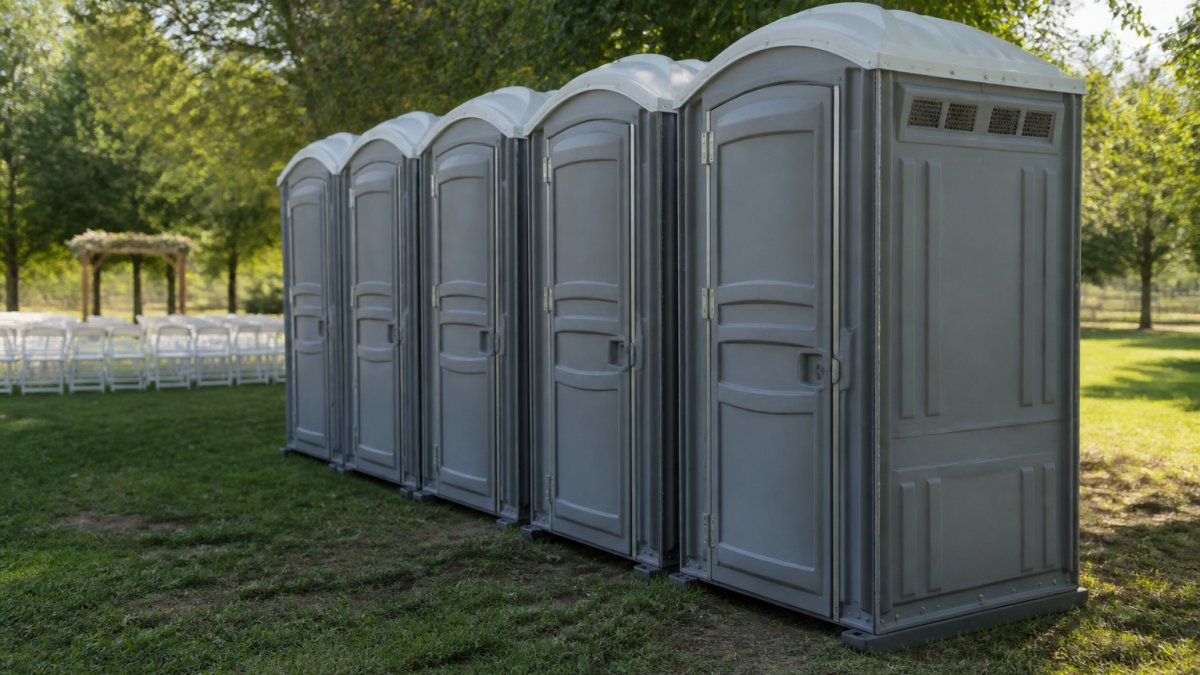
OSHA’s sanitation standards under 29 CFR 1926.51 (for construction) and 29 CFR 1910.141 (for general industry) set the floor, but seasonal sanitation services face a compliance layer generic staffing guides never mention: handling human waste and the biohazard risks of high-density, temporary crews (osha.gov). While the standard ratio, one toilet seat and one urinal per 40 employees for sites with more than 20 workers, is widely cited, the real burden emerges when you account for the following: (osha.gov)
- Separate facilities for each active site. If you have 80 workers split across two locations, each site must independently meet the ratio. You cannot average headcount across sites.
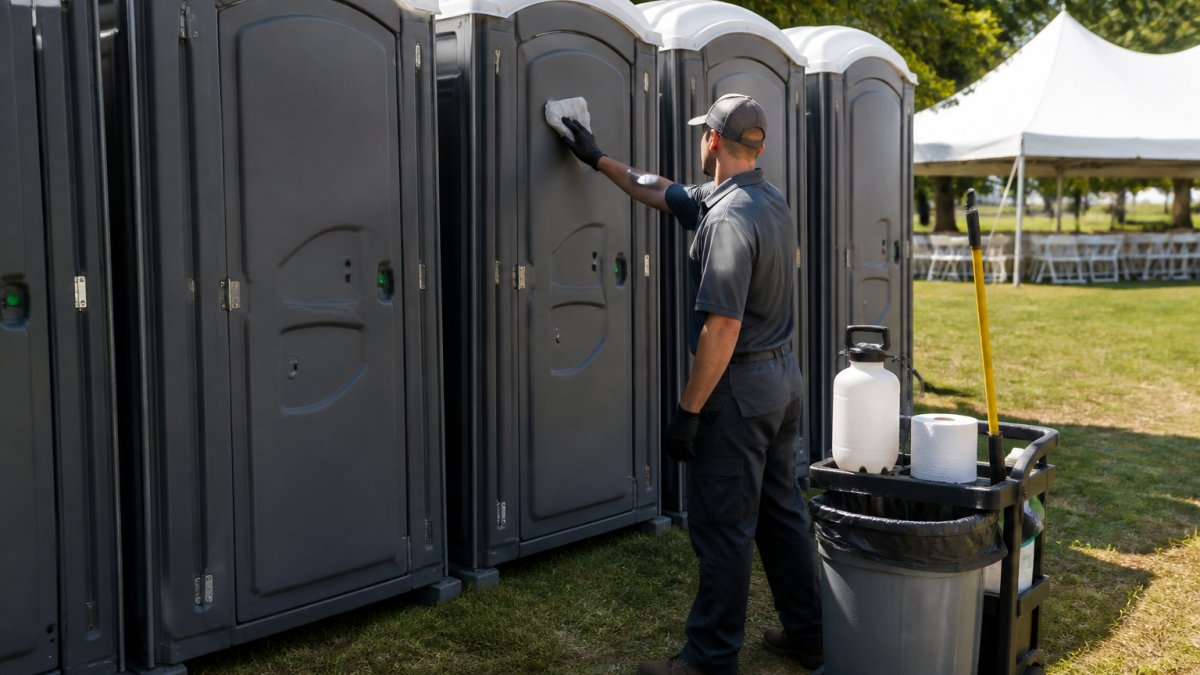
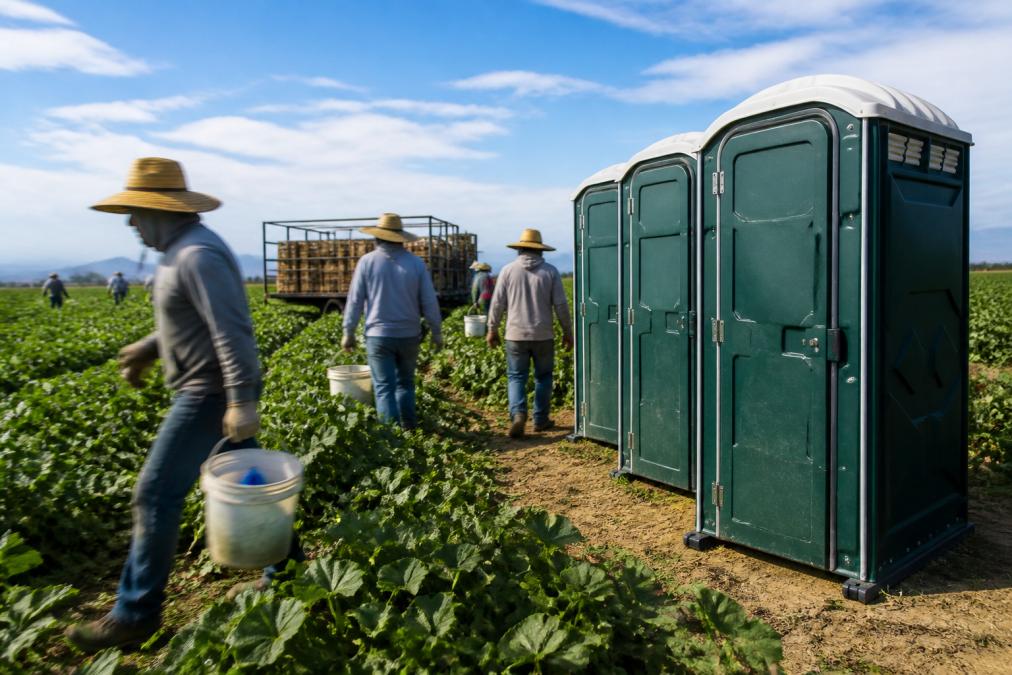
- Sanitary maintenance is a legal requirement, not an option. OSHA requires that toilet facilities be maintained in a “sanitary condition.” (ecfr.gov) That means regular cleaning, restocking of supplies (toilet paper, hand sanitizer), and waste removal. For seasonal crews, the servicing frequency must increase because units see concentrated use, often 50 or more workers per unit per day during peak harvest or construction phases.
- Biohazard waste handling. Unlike general construction debris, portable restroom waste is classified as sewage. It must be pumped and disposed of at licensed treatment facilities, not dumped on-site or into municipal sewers without permits. Your service provider must have the proper permits and follow state and federal environmental regulations, including the Clean Water Act’s prohibitions on unauthorized discharges.
- Handwashing stations. OSHA also requires that workers have access to potable water for washing, especially after using the toilet. For seasonal crews, this means you must provide handwashing stations or sanitizer dispensers near the portable units. Many temporary setups skip this, leading to citations.
Compliance isn’t just about counting units, it’s about documenting service. During an OSHA inspection, you’ll need to show units were serviced at the required frequency. A simple log with dates, times, and technician initials can be the difference between a pass and a fine, and it's even more critical for seasonal operations because inspectors know temporary crews often operate under looser standards.
Assign a compliance lead responsible for tracking service schedules, maintaining logs, and coordinating with your sanitation provider. This person should also conduct spot checks during peak weeks to ensure units are clean, stocked, and functioning. Treating OSHA compliance as a proactive, documented process protects your crew’s health and your project’s bottom line.
Portable Restroom Service Frequency That Prevents Downtime
The ideal portable restroom service frequency depends on usage volume, not calendar days. A unit used by 10 workers per day might need service once a week, while the same unit serving 50 workers during a peak could require pumping every two to three days. Monitoring usage patterns during the first week of a seasonal ramp-up tells you the real interval.
Service continuity is the goal. When units go uncleaned or full, workers lose productive time and the job site demoralizes the crew. For scaling sanitation services for seasonal crews, the most reliable approach is to build a buffer into your schedule: service units at 80 percent capacity rather than waiting for them to overflow.
Start with daily checks during the first three days of a new crew surge to measure actual consumption rates and adjust service intervals with data. Once you know the pattern, you can lock in a schedule that prevents downtime without paying for unnecessary visits.
Waste Management for Construction Sites With Crews in Flux
Construction sites generate waste streams that shift as projects progress, and seasonal crews accelerate the problem. Beyond portable restrooms, you're managing debris, hazardous materials, and general refuse that must be contained and disposed of properly. Compliance standards are strict, and violations carry real consequences for the general contractor.
Treat waste management as a dynamic system. As phases change from demolition to framing to finishing, the type and volume of waste change. A dumpster that handles lumber scraps won't safely contain chemical waste, so your container mix needs to evolve alongside the project.
For crews in flux, the challenge is knowing what's in your containers at any given time. Overloaded dumpsters create safety hazards and overage fees, while underloaded ones waste money. Regular monitoring and clear communication with your waste provider about project milestones keeps your disposal strategy aligned with site conditions.
Build a Flexible Staffing Model That Scales With Demand
A flexible staffing model is the backbone of any successful seasonal operation. Maintain a small core of experienced staff year-round, then expand rapidly through project-based hiring and contractor networks when demand spikes. This protects your core staff from burnout while keeping labor costs aligned with revenue.
Core staff protection matters because your permanent employees carry institutional knowledge that temporary workers lack, routes, equipment, and compliance standards. Overworking them during peak season risks losing them to burnout, a retention problem that compounds every subsequent season.
To scale effectively, build relationships with reliable contractor networks before you need them. Vet workers during the off-season, train them on basic protocols, and keep them on a call list. When the surge hits, you can onboard them quickly without sacrificing quality, reducing HR overhead because the recruitment groundwork is already done.
Standardize Training to Keep Temporary Crews Productive
Standardized training separates a smooth seasonal ramp-up from a chaotic one. For sanitation crews, training must go beyond general safety to cover the specific biohazard and waste-handling protocols that define the job. Generic construction labor training won’t prepare a temporary worker to safely service a portable restroom or handle medical waste. Here’s how to build a program that gets temporary workers productive in one day while keeping compliance standards intact.
Core Training Modules for Sanitation Crews
-
Biohazard Safety and Bloodborne Pathogens - Every worker who services portable restrooms or handles waste must understand the risks of exposure to human waste, which can carry pathogens like E. coli, hepatitis A, and norovirus. Training must cover:
- Proper use of personal protective equipment (PPE): nitrile gloves, safety glasses, and waterproof boots.
- Correct handwashing procedures, even when wearing gloves, workers must wash hands after removing them.
- How to handle spills or leaks without contaminating themselves or the surrounding area.
- Emergency procedures for needlestick injuries or other sharps found in waste containers.
-
Waste Segregation and Disposal - Not all waste is the same. Temporary crews must know how to separate general refuse from recyclables, hazardous materials (like solvents or batteries), and medical waste. A mistake here can lead to environmental violations and fines. Training should include a visual guide of what goes in which container, and a checklist to verify segregation before pickup.
-
Equipment Operation and Maintenance - Whether it’s a service truck with a vacuum pump or a simple hand pump for portable units, workers need hands-on training on the equipment they’ll use. This includes pre-trip inspections, proper connection of hoses, and how to avoid cross-contamination between units.
-
Customer Interaction and Site Etiquette - Seasonal crews often work on active job sites with other contractors. Training should cover how to communicate with site managers, where to park, and how to avoid disrupting ongoing work.
The One-Day Training Model
A practical approach is a four-hour classroom session followed by a four-hour field shadowing period. The classroom portion covers the modules above using videos, diagrams, and a written quiz. The field portion pairs each new hire with an experienced technician who demonstrates the correct procedures and then supervises the new hire as they perform a service stop. By the end of the day, the new hire has completed at least two full service cycles under supervision.
Retention Through Certification
One of the biggest hidden costs in seasonal hiring is churn, training workers who never return. To reduce that, offer a certification workers can carry to future employers, like a “Sanitation Safety Certified” badge demonstrating they’ve completed OSHA-aligned biohazard training. This gives workers a tangible benefit beyond the paycheck and incentivizes them to return because they already have the certification. This gives workers a tangible benefit beyond the paycheck and incentivizes them to return because they already have the certification.
Measuring Training Effectiveness
Don’t assume that a one-day training is enough. Track the performance of temporary workers during their first week on the job, monitoring average service time per stop, safety incidents or near-misses, and customer complaints or site manager feedback.
If new hires take 50% longer than your core crew, extend the shadowing period or add a refresher module. If they’re making mistakes, review the training content to find the gaps. This data-driven approach ensures your training program evolves with each season, making your temporary workforce more productive and safer.

By standardizing training around the specific demands of sanitation work, not just general labor, you reduce risk, improve efficiency, and build a workforce that’s ready to return when the next seasonal surge hits.
Technology Stack for Tracking Job Duration and Productivity
Tracking job duration and technician productivity in real time requires a deliberate technology stack. GPS-enabled service vehicles, digital checklists on tablets, and route optimization software give you visibility into where crews are and how long each stop takes, turning workforce management from reactive into proactive.
For seasonal operations, technology matters most during the first two weeks of a surge, when you're validating whether your staffing model matches actual demand. If service stops take longer than planned, you either need more workers or better training, and the data tells you which.
Demand forecasting becomes more accurate with historical data on job durations. After one season of tracking, you'll know a particular site type takes X minutes per unit to service, letting you schedule accurately for the next surge. This precision separates professional operations from those that constantly scramble.
When Outsourcing Beats In-House Scaling
There comes a point where building your own seasonal infrastructure costs more than hiring a specialist. That point arrives when the capital investment in equipment, the HR burden of recruiting and training temporary staff, and the risk of compliance violations outweigh the cost of a managed service contract.
Outsourcing to a provider like Patriot Solutions makes sense when your seasonal spikes are sharp but short. Instead of purchasing portable restrooms that sit idle for nine months a year, you rent them only when needed. Instead of hiring and firing seasonal technicians, you tap into an established workforce that's already trained and vetted, a cost-benefit analysis many operations managers skip.
The hidden advantage of outsourcing is operational control through accountability. A service contract with clear response times and service level agreements shifts the risk of missed pickups onto the provider. For construction managers burned by unreliable vendors, the guarantee of clean equipment and fast delivery becomes the deciding factor. Patriot Solutions delivers dependable local service with clean, high-quality equipment, ensuring your seasonal crew has the sanitation support it needs without the overhead of building it yourself. Get started with Patriot Solutions and keep your project moving through every phase of demand.
Frequently Asked Questions
How do you calculate sanitation needs for seasonal crews?
Start with crew size and shift length. OSHA requires one toilet seat per 20 workers on a job site. For seasonal crews that fluctuate weekly, plan for peak headcount, not average. A crew of 60 needs at least 3 units. Add extra units when workers are spread across a large site or when restrooms are far from work areas. Review your count every time crew size changes by more than 10 percent.
What are the OSHA requirements for portable toilets on job sites?
OSHA standard 1926.51 requires one toilet seat for every 20 employees on construction sites. When you have 20 to 40 workers, you need 2 seats. Over 200 workers requires 10 seats plus one per additional 40 workers. Units must be accessible, sanitary, and serviced regularly. Seasonal crews do not change the rule: peak headcount determines your minimum. Post the schedule so workers know when units are cleaned.
How often should portable restrooms be serviced for high-volume crews?
Service frequency depends on usage, not a fixed calendar date. A single unit used by 20 workers for a full shift typically needs service twice per week. High-volume crews or summer heat may require every-other-day service to control odor and keep units stocked. Adjust frequency based on actual usage.
How do you scale sanitation services without disrupting site operations?
Work with a provider that can adjust unit counts and service schedules on short notice. Give them a peak-season forecast and a minimum baseline so they can reserve equipment. Schedule deliveries and pump-outs during low-activity windows like early morning or shift changes. A single point of contact on the provider side reduces coordination errors and keeps your site managers focused on their core work.