 ultimate-guide
What Size Dumpster for Backyard Cleanup: A 2026 Guide
Table of Contents
- Dumpster Sizes Explained: Cubic Yards and Dimensions
- How to Choose the Right Dumpster Size for Your Project
- Average Cost of Dumpster Rental by Size
- What Items Are Prohibited in Dumpsters
- How Long Can You Keep a Rental Dumpster
- How to Prepare for a Dumpster Delivery
- Dumpster Selection Comparison Table
- Seasonal Timing and Planning Tips
Last Updated: August 25, 2026
Dumpster Sizes Explained: Cubic Yards and Dimensions
Dumpster capacity is measured in cubic yards, a cubic yard equals 27 cubic feet, roughly the space of a standard washing machine (nist.gov). Most residential projects use dumpsters ranging from 10 to 40 cubic yards. Physical dimensions matter as much as volume: a 10-yard dumpster measures 14 feet long, 7.5 feet wide, and 4 feet deep; a 20-yard runs about 22 feet long, 8 feet wide, and 4.5 feet deep; a 40-yard stretches 40 feet long, 8 feet wide, and 6.5 feet deep. These measurements determine whether the container fits in your driveway and whether overhead obstacles like power lines pose problems.
10-Yard Dumpster: Small Projects and Tight Spaces
A 10-yard dumpster works best for minor cleanouts where space is limited. It holds roughly 3-4 pickup truck loads, ideal for garage cleanouts, attic purges, or small landscaping projects. The compact footprint fits most residential driveways without requiring street parking or special permits.
Weight capacity typically runs 2-3 tons, so you need to be selective about contents (osha.gov). Lightweight materials like drywall and cardboard fit comfortably; heavy items like concrete require careful calculation. Rental duration usually ranges from 3-7 days.
Patriot Solutions can help homeowners determine if a 10-yard dumpster is suitable for single-room renovations or seasonal yard maintenance.
20-Yard Dumpster: Mid-Size Residential Work
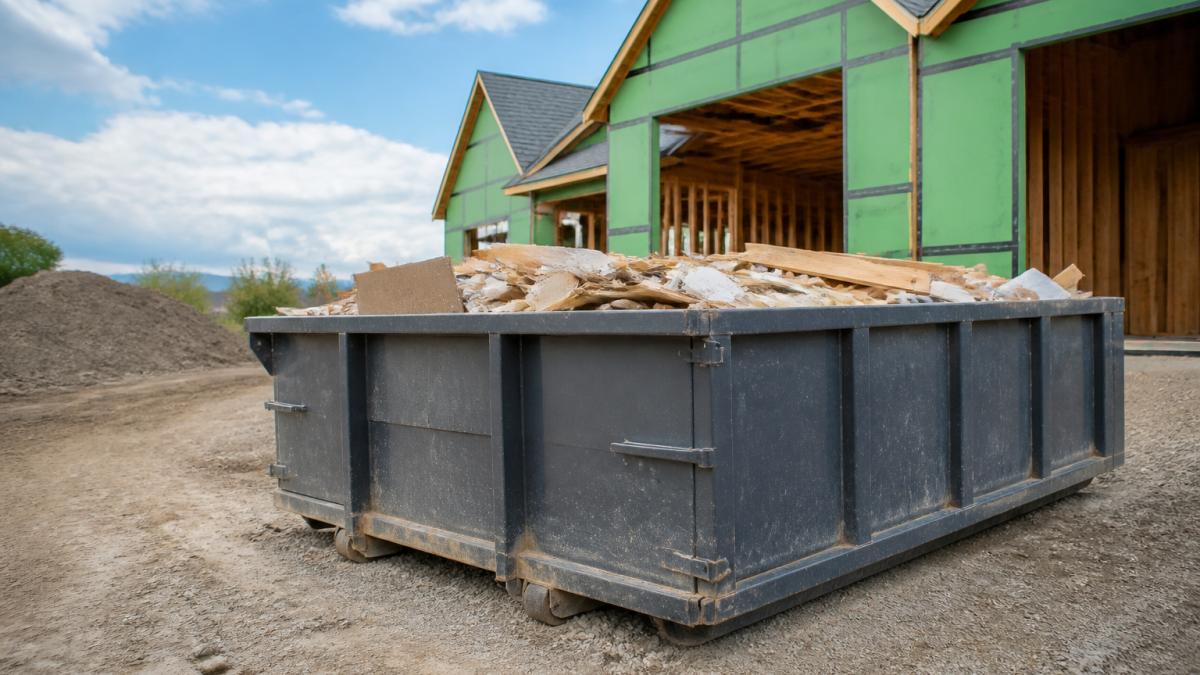
A 20-yard dumpster represents the sweet spot for most residential projects. It holds approximately 8 pickup truck loads and works well for kitchen or bathroom remodels, deck removals, or moderate landscaping overhauls. Weight capacity jumps to 4-5 tons, giving you flexibility with heavier materials like old appliances and roofing materials.
The rental period typically spans 5-10 days. If your cleanup extends beyond the initial window, overage fees apply per day.
30-Yard and 40-Yard Dumpsters: Large Cleanouts and Demolition
A 30-yard dumpster holds roughly 12 pickup truck loads with weight capacity reaching 6-8 tons, suiting major renovations and significant demolition work. The 40-yard dumpster represents the largest residential option, holding approximately 16 pickup truck loads with weight limits of 8-10 tons. Both sizes require adequate driveway space and often necessitate a local permit.
Patriot Solutions provides reliable service for these larger rentals.
How to Choose the Right Dumpster Size for Your Project
Selecting the right dumpster size depends on three factors: the type of debris, total volume, and project timeline. Start by identifying what you're throwing away. Lightweight materials like leaves and cardboard require less capacity than concrete or metal.
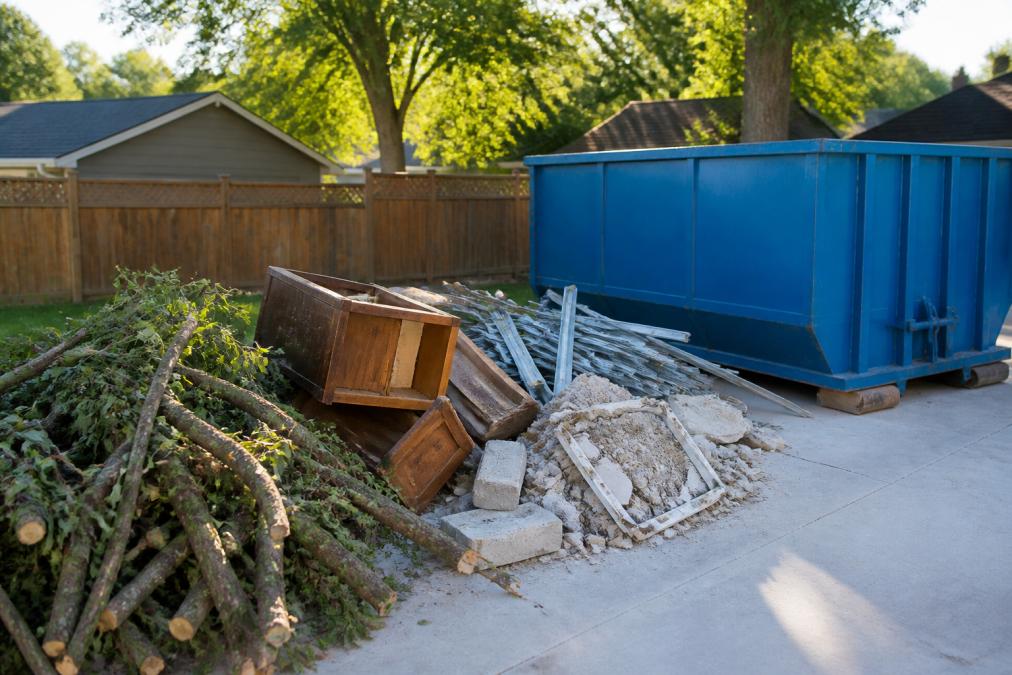
Estimate volume by visualizing debris in pickup truck loads. If you think your cleanup produces 4-5 truck loads, a 10-yard dumpster works. For 8-12 truck loads, move to a 20-yard. Beyond that, consider 30 or 40-yard options.
Visual Volume Estimation for Common Backyard Projects
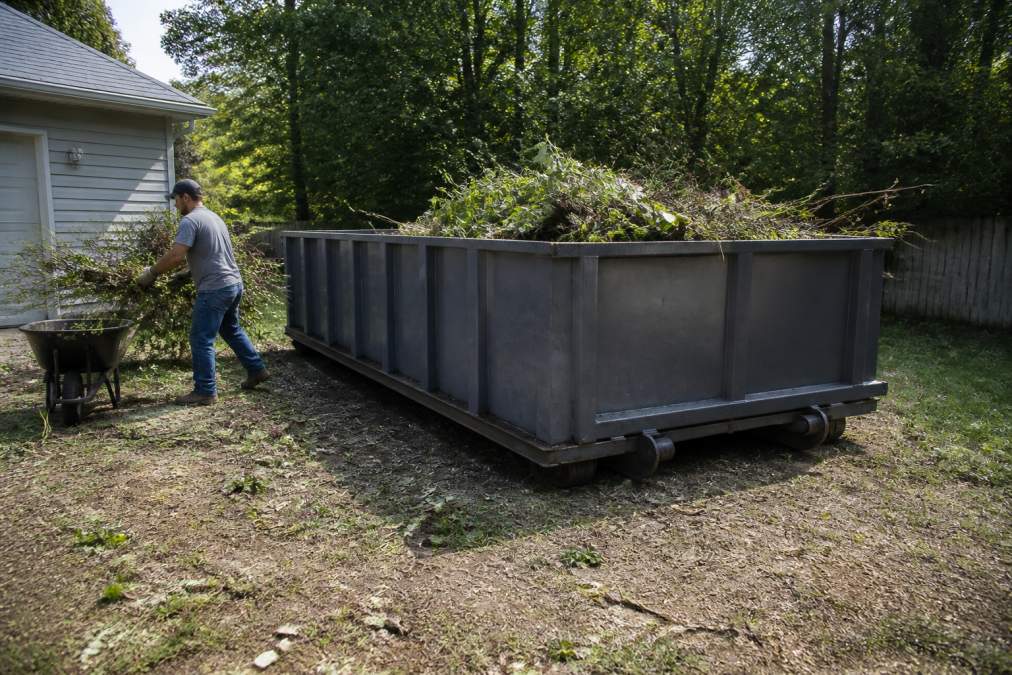
A kitchen remodel typically generates 6-8 truck loads, fitting a 20-yard dumpster comfortably. A deck removal or roof replacement produces 4-6 truck loads, fitting a 10 or 15-yard container. A complete yard overhaul with tree removal runs 10-15 truck loads, requiring a 20 or 30-yard dumpster. Spring yard work usually fits a 10-yard dumpster; fall leaf removal might need a 15-yard if clearing significant acreage.
The key is avoiding extremes. Undersizing forces a second haul, costing more than a single larger rental. Oversizing wastes money on unused capacity. Patriot Solutions can help estimate based on your specific project description.
Weight vs. Volume: Which Matters More
Volume and weight capacity work independently. You might fill a 20-yard dumpster by volume while staying under the weight limit, or reach the weight limit with only partial volume. Heavy materials like concrete and soil consume weight capacity quickly. Lightweight materials like leaves and cardboard fill volume without adding much weight.
If your project mixes materials, discuss your material mix when requesting a quote. For most residential projects, volume is the limiting factor. Weight only becomes critical with dense materials like soil or masonry demolition debris.
Average Cost of Dumpster Rental by Size
Dumpster rental pricing depends on container size, rental duration, delivery location, and local market conditions. Rather than estimate figures that may not reflect current rates, reach out to Patriot Solutions for a detailed quote. Pricing typically accounts for distance to the disposal facility, seasonal demand, and special handling requirements for prohibited materials.
Rental duration matters significantly. Most providers offer base rates for 3-7 day rentals, with daily overage fees if you keep the container longer. Discuss realistic timelines when booking to avoid unnecessary charges.
Local factors influence pricing as well. Distance to disposal sites, permit requirements, and local waste management regulations all factor into the final cost. Patriot Solutions serves the Delta area and surrounding communities and can provide accurate pricing tailored to your specific location and project.
What Items Are Prohibited in Dumpsters
Most dumpster rental agreements prohibit certain materials for environmental, safety, or legal reasons. Hazardous materials top the prohibited list: paint, solvents, batteries, refrigerants, asbestos, and pesticides cannot go in standard dumpsters (the EPA). Tires, electronics, and appliances containing refrigerants also need special handling.
Some materials are prohibited because they're recyclable or have resale value. Metals and copper wiring often fall into this category. Yard waste restrictions vary by facility. Large appliances, water heaters, and HVAC units may be allowed but incur additional fees. Concrete and soil disposal depends on the facility.
Patriot Solutions provides clear guidelines about prohibited items when you arrange your rental. Asking upfront prevents frustration and unexpected charges.
How Long Can You Keep a Rental Dumpster
Standard rental periods range from 3 to 7 days, though availability and project needs vary. Overage fees apply when you exceed your rental period, and these daily charges add up quickly. Planning your timeline carefully before ordering prevents surprises.
Weather and unexpected complications often extend projects. Discussing realistic timelines with your provider helps you choose the right rental period from the start. Patriot Solutions works with you to establish schedules that fit your actual project pace.
If you finish early, you can arrange pickup before your rental period ends. If you need an extension, calling ahead allows your provider to schedule pickup later rather than charging daily overage fees.
How to Prepare for a Dumpster Delivery
Proper preparation ensures smooth delivery and prevents property damage. Start by measuring your driveway or designated drop-off location. Confirm you have at least the length and width required for your dumpster size. Clear the area of obstacles: parked cars, trash cans, garden hoses, and yard furniture need to move.
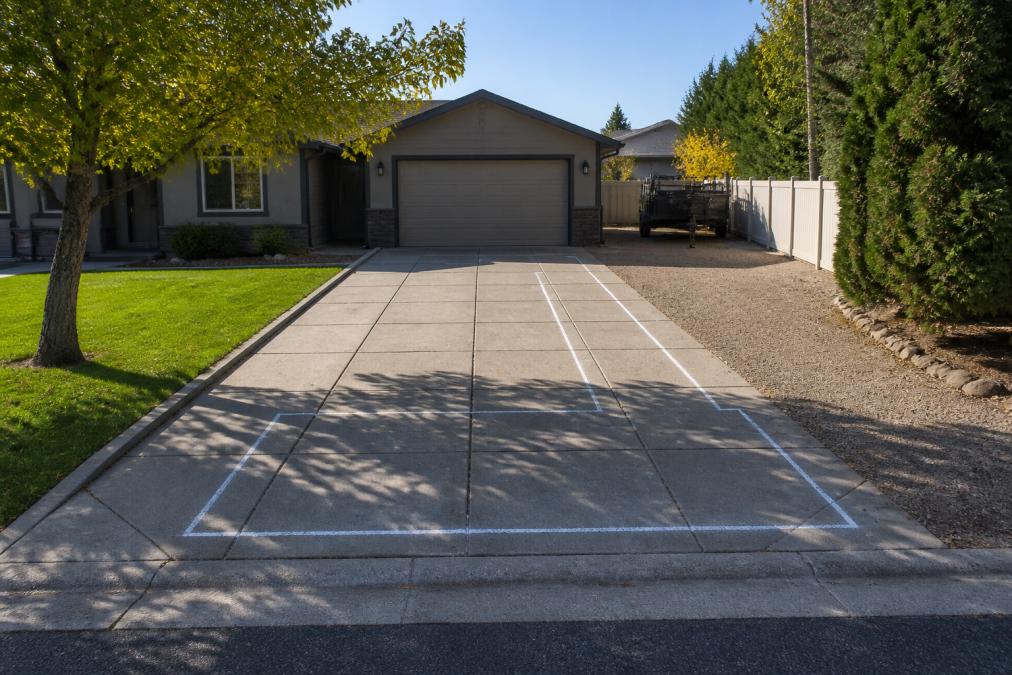
Check for overhead obstacles. Power lines and tree branches can interfere with delivery. Measure clearance height; most dumpster delivery trucks need 13-14 feet of vertical space. Confirm ground conditions, soft ground or steep slopes can prevent safe placement.
Notify neighbors if you're using street parking. Confirm any local permit requirements; some municipalities require permits for residential dumpsters. Have a plan for your debris before the truck arrives. Organizing materials by type simplifies loading and prevents confusion about prohibited items.
Dumpster Selection Comparison Table
| Project Type | Debris Volume | Recommended Size | Weight Capacity | Best Rental Length |
|---|---|---|---|---|
| Garage/attic cleanout | 3-4 loads | 10-yard | 2-3 tons | 3-5 days |
| Kitchen or bathroom remodel | 6-8 loads | 20-yard | 4-5 tons | 5-10 days |
| Deck or roof removal | 4-6 loads | 15-20 yard | 3-5 tons | 5-7 days |
| Whole-house renovation | 10-15 loads | 30-yard | 6-8 tons | 7-14 days |
| Estate or property cleanout | 12-20 loads | 30-40 yard | 8-10 tons | 10-14 days |
| Landscaping overhaul | 8-12 loads | 20-30 yard | 4-8 tons | 5-10 days |
Seasonal Timing and Planning Tips
Spring and early fall are peak seasons for home improvement projects. Dumpster availability tightens, and rental rates may increase. If your project is flexible, scheduling during off-peak months sometimes offers better pricing and scheduling options.
Weather plays a practical role too. Spring rain can slow demolition work. Fall provides ideal temperatures for outdoor projects. Winter weather can delay work, extending your rental period unexpectedly.
Plan your project timeline conservatively. Most homeowners underestimate how long demolition and cleanup take. Padding your rental period prevents overage fees and reduces stress.
For seasonal yard work, book your dumpster when you're ready to start, not weeks in advance. Debris accumulates quickly, and holding an unused dumpster costs money. If managing multiple projects over a season, coordinate dumpster rentals strategically. Back-to-back small rentals cost more than a single larger container.
Choosing the right dumpster size for backyard cleanup requires understanding your debris volume, weight considerations, and project timeline. The most common mistake is underestimating volume and ordering a container that fills before your project ends. Patriot Solutions helps you select the appropriate size based on your specific project, location, and needs. With reliable local service across the Delta area and surrounding communities, Patriot Solutions ensures your dumpster arrives on schedule, stays as long as you need it, and removes your debris responsibly. Contact Patriot Solutions today for a quote tailored to your backyard cleanup project.
Frequently Asked Questions
Q: How big of a dumpster do I need for a house cleanout?
A: A 20-yard dumpster handles most residential cleanouts, including furniture, appliances, and general household items. If you're clearing an entire house or have significant landscaping debris, a 30-yard dumpster provides extra capacity. Start by estimating your debris volume: if it fills a pickup truck 4-5 times, you likely need 20 yards; 6-8 times suggests 30 yards. Patriot Solutions can help you assess your specific project during a consultation.
Q: What items are prohibited in dumpsters?
A: Most dumpster services prohibit hazardous materials including paint, batteries, oil, chemicals, propane tanks, and electronics. Asbestos, medical waste, and tires are also banned at most disposal sites. Some facilities restrict yard waste or concrete. Check your rental agreement for the complete list, prohibited items may incur extra fees or require separate disposal. Patriot Solutions provides clear guidance on what you can and cannot dispose of in your rental.
Q: How long can I keep a rental dumpster?
A: Standard rental periods range from 3 to 7 days, with most residential projects using 5-day rentals. Longer durations are available for renovation projects, typically at daily overage rates if you exceed your agreement. Contact Patriot Solutions to discuss rental duration options that fit your timeline and budget.
Q: Do I need a permit for a dumpster in my driveway?
A: Most residential areas allow dumpsters on private driveways without a permit. However, if the container sits on a public street or sidewalk, many municipalities require a permit. Check with your local code enforcement office before scheduling delivery. Patriot Solutions can advise on permit requirements for your location and help coordinate the rental process accordingly.
Q: What's the difference between weight limits and cubic yard capacity?
A: Cubic yards measure volume (physical space), while weight limits measure how much material you can load. A 20-yard dumpster holds 20 cubic yards of volume but typically has a tonnage limit of 8-10 tons. Heavy materials like concrete or soil may hit the weight limit before filling the container visually. Lighter debris like yard waste or drywall lets you fill more volume. Know your debris type to avoid overage charges.
Q: Can Patriot Solutions service small residential projects outside Delta?
A: Patriot Solutions specializes in serving the Delta area and surrounding communities including Fillmore and Hinckley. We handle projects of all sizes, from small backyard cleanups to large construction sites. Contact us directly to confirm service availability for your location and to discuss your project needs, we're committed to supporting residential and commercial customers across our service area.
Q: How do I estimate yard waste volume for a dumpster?
A: Measure the area you're clearing and estimate debris height. A 20-foot by 20-foot area with 3 feet of yard waste equals roughly 12-15 cubic yards. Tree trimming, landscaping removal, and brush generate significant volume relative to weight. Use the pickup truck method as a reference: one full truck bed is approximately 1.5-2 cubic yards. When in doubt, choose the larger size to avoid overage fees.
Q: Are there weight limits for backyard cleanup dumpsters?
A: Yes, all roll-off dumpsters have weight capacity limits, typically 8-12 tons depending on size. Concrete, soil, and roofing materials are heavy and can exceed limits quickly. Yard waste and general household items are lighter and allow fuller loads. Exceeding weight limits triggers surcharges. Patriot Solutions provides weight limit details in your rental agreement so you know exactly what your dumpster can handle.
This article was written using GrandRanker