 how-to
How to Choose a Portable Restroom Provider: 2026 Guide
Table of Contents
- Start With Your Unit Count and Site Layout
- Match the Unit Type to the Job
- Ask How Often Units Get Serviced
- Run Through This Portable Restroom Rental Contract Checklist
- Check Delivery Logistics, Site Access, and Permits
- Weigh Vendor Reliability Against the Lowest Bid
- What Separates a Portable Restroom Provider You Can Keep
- Frequently Asked Questions
Last Updated: September 10, 2026
Start With Your Unit Count and Site Layout
Getting the unit count wrong is the most expensive mistake a portable restroom provider can make: too few means long lines, complaints, and on a construction site, a compliance problem; too many means paying for unused capacity.
Unit count depends on two variables: how many people will use them and how long they'll be on site. A crew of 20 framing a house for six weeks differs from a festival peaking at 2,000.
OSHA's Minimum Ratio for Construction Sites
OSHA sets the floor for construction sites: one toilet per 20 workers when only one is provided, with separate facilities required as headcounts rise. For most residential and commercial builds, one unit per 20 workers is the starting point, not the target.
A common mistake is treating the OSHA minimum as the goal. If your crew is spread across a large site, or if you're running multiple trades at once, workers will lose time walking to a single unit. In practice, site managers often add one unit beyond the minimum for every 10 to 15 workers on larger projects. Check current requirements directly at OSHA's sanitation standards for construction, since the rules on potable water and toilet access are enforced together.
Event Capacity and Peak Usage Times
Events need a different calculation. The driver isn't headcount alone, it's peak usage: the 30 minutes before a ceremony, the halftime rush, the dinner line. A wedding with 75 guests needs fewer units than a festival with 75 people arriving at once.
For planning, many organizers use roughly one unit per 50 guests for a four-hour event, adding units for alcohol or food service. Treat that ratio as a starting estimate and scale up for peak times.
Match the Unit Type to the Job
Standard portable restrooms cover most construction and basic event needs, but the gap between a basic unit and a trailer is where projects get uncomfortable. The right choice comes down to three variables: who uses the unit, how long they'll be on site, and whether the setting is client-facing.
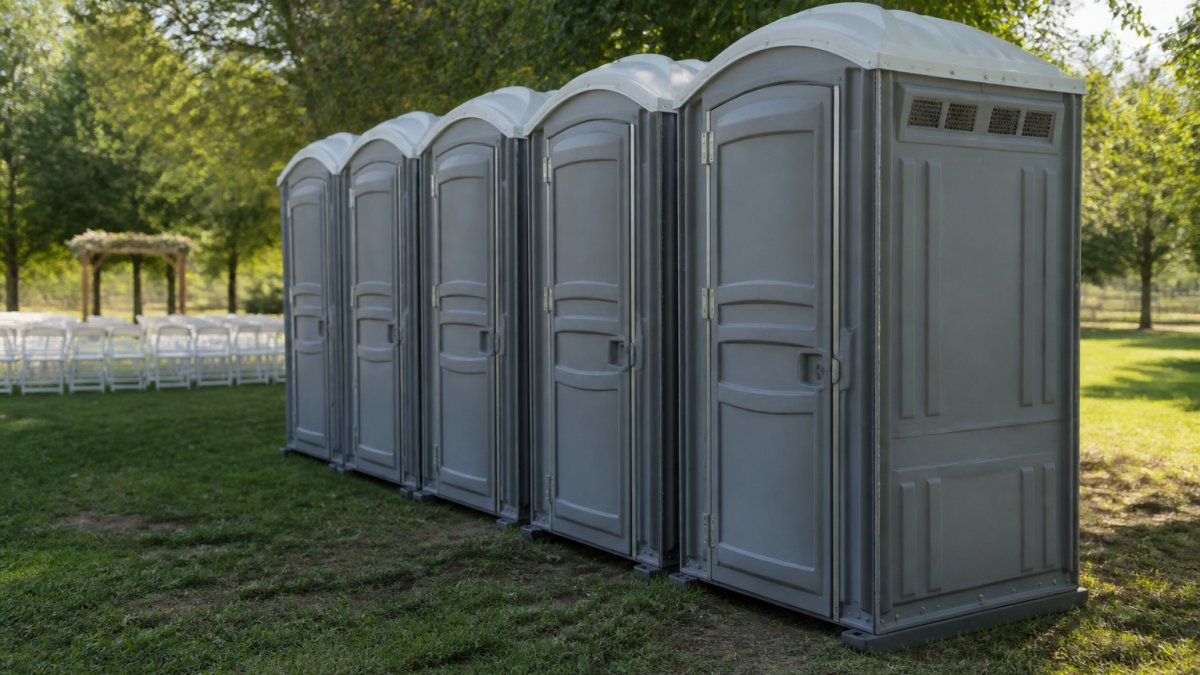
- Standard units: single-occupancy, roughly 60 to 70 gallons of waste capacity, no running water. Best for construction crews and short events.
- Deluxe or flushable units: add a foot-pump flush and an interior sink with a fresh-water reservoir. Better for longer events and client-facing sites where guests expect a step up from a basic unit.
- Handwashing stations: standalone sinks that pair with standard units. Often required where food is handled, and a common add-on for events serving meals.
- ADA-compliant units: larger footprint, a wider door, grab bars, and a flat entry with no step. Required at public events and many commercial sites under ADA accessibility guidelines.
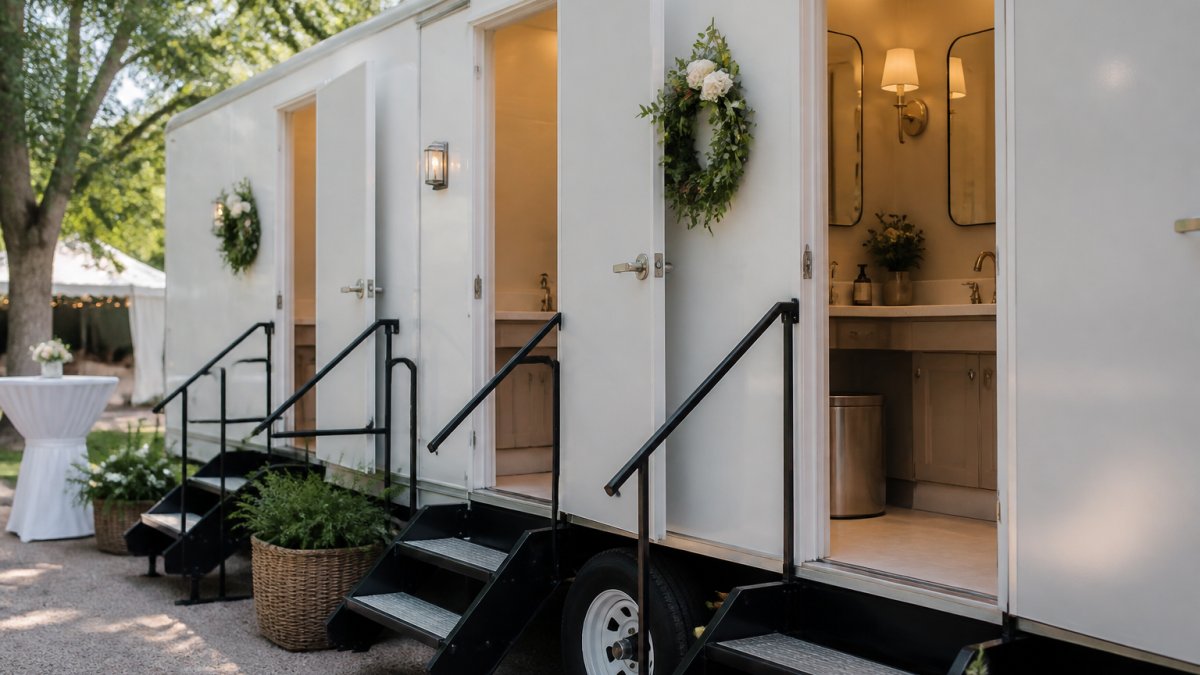
- Restroom trailers: multi-stall units with running water, lighting, and climate control. Suited to weddings and upscale gatherings, and they need power and a water source or onboard tanks.
Sizing the Unit to the User
Match the type to the user: a farm crew during harvest has different needs than wedding guests in formalwear. Standard units suit able-bodied adults in work clothes; anyone in formalwear, elderly guests, or small children will be more comfortable with a deluxe unit or trailer. If your event serves alcohol or food, plan for more handwashing capacity than you think you need.
Matching the Unit to the Setting
Setting matters as much as headcount. A fenced construction site absorbs standard units without complaint; a wedding venue with a ceremony backdrop cannot, which is why trailers and deluxe units exist. If your event is photographed or attended by clients, sponsors, or press, the unit type is part of the guest experience.
Ask the provider to confirm the unit's waste-tank capacity and fresh-water capacity in writing. A "deluxe" label means little if the fresh-water reservoir runs dry halfway through a long event.
Ask How Often Units Get Serviced
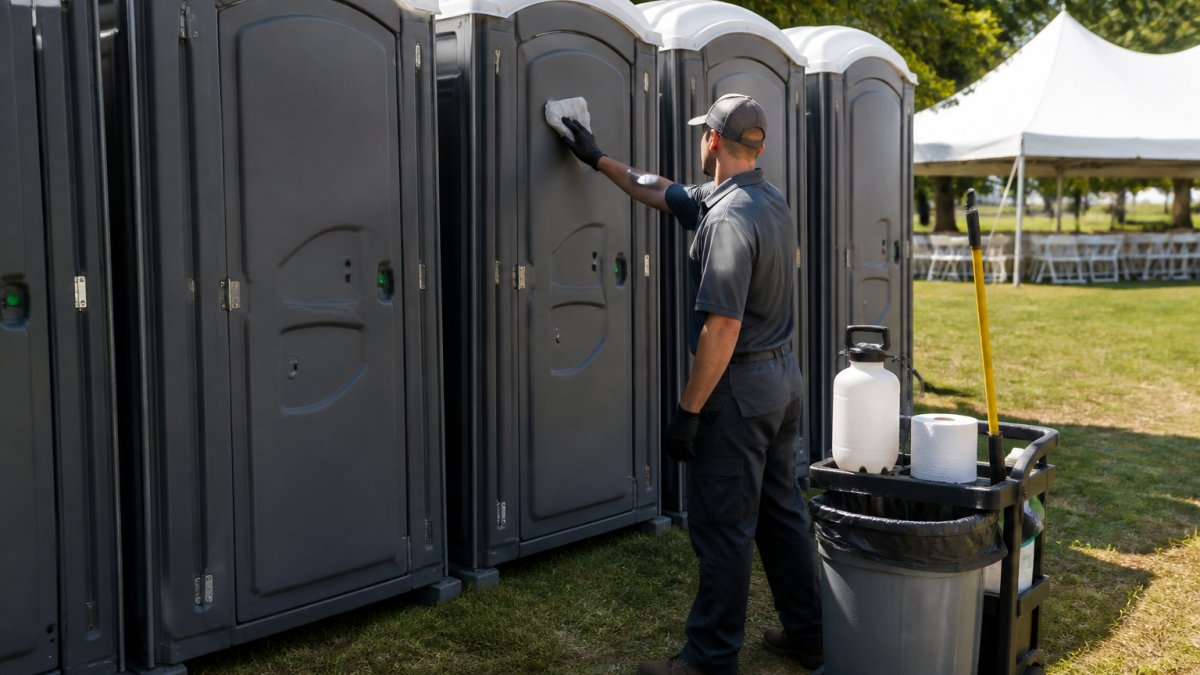
Service frequency is where cheap quotes quietly fall apart. A unit that isn't pumped and cleaned on schedule becomes unusable within days, and at a construction site that means workers finding alternatives you don't want to think about.
Ask every provider one direct question: how often will you service the units, and what triggers an extra service? The answer should be specific, not "as needed." For a standard construction site, weekly service is the common baseline. High-traffic events may need daily or mid-event servicing.
Why Holding Tank Capacity Sets the Schedule
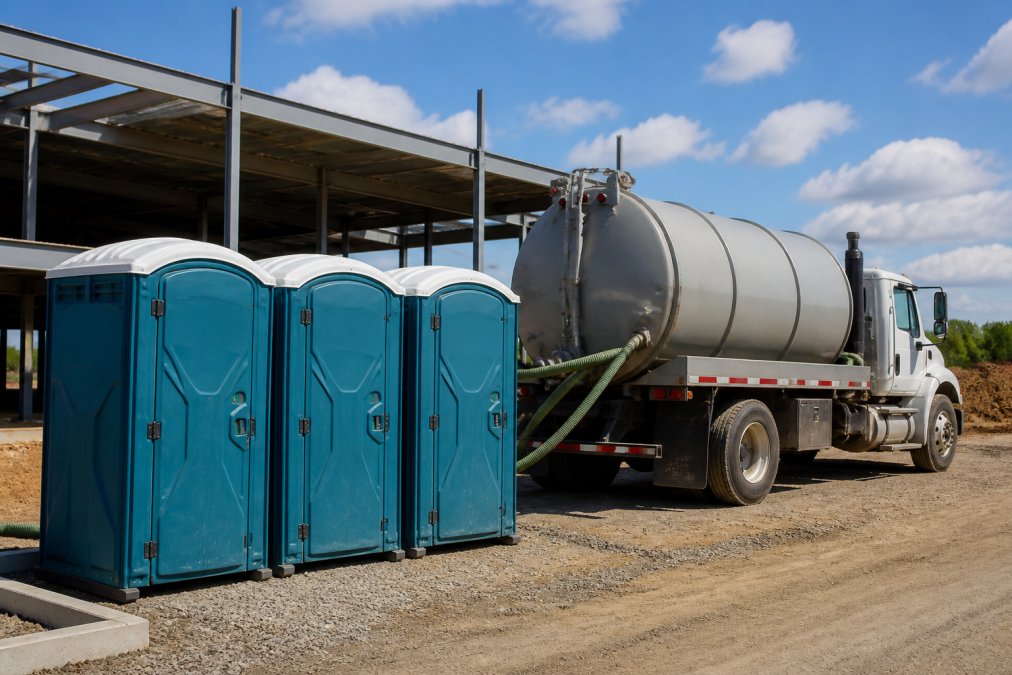
A standard portable restroom holds roughly 60 to 70 gallons in its waste tank; that capacity divided by daily users determines how fast it fills. A provider that doesn't adjust service frequency to your headcount is setting you up for an overflow.
Portable toilet service frequency standards vary by use case: a unit serving 10 workers can go a week between pumpings, while the same unit serving 150 event guests may need same-day service. Ask providers to state the frequency in writing based on your actual numbers, not a generic schedule.
| Use Case | Typical Service Frequency | What Drives It |
|---|---|---|
| Construction, small crew | Weekly | Low daily volume |
| Construction, large crew | 2-3 times weekly | High daily volume |
| One-day event | Before and after | Single peak |
| Multi-day festival | Daily or mid-event | Sustained traffic |
| Restroom trailer | Daily during use | Running water and volume |
Run Through This Portable Restroom Rental Contract Checklist
The rental agreement reveals whether a provider is easy to work with or a problem waiting to happen. Read it before you sign, and don't accept a verbal promise that isn't in the document.
- Unit count, type, and placement locations written into the agreement
- Service frequency and what counts as an extra service call
- Delivery and pickup windows, with dates and times
- What's included: hand sanitizer, toilet paper, deodorizer, handwashing stations
- Overage, damage, or cleaning fees spelled out
- Liability insurance and who covers damage on site
- Cancellation and rescheduling terms
- Emergency contact and response time commitment
Red Flags That Signal Trouble Later
A contract vague on service frequency is the number one warning sign, as is a provider who won't put delivery windows in writing or quotes far below everyone else without explaining why. Watch for: no named contact or emergency number; fees described only as "additional charges may apply"; no mention of what happens if a unit is damaged or tipped; refusal to confirm insurance coverage; pressure to sign before you've seen the full terms.
The lowest quote is rarely the lowest cost. A provider that under-services to protect their margin will cost you more in complaints, downtime, and emergency service calls than a slightly higher quote with a clear service schedule.
Check Delivery Logistics, Site Access, and Permits
Delivery is where a lot of rentals go sideways, and it has nothing to do with the units themselves. It's about whether the truck can reach the spot you picked.
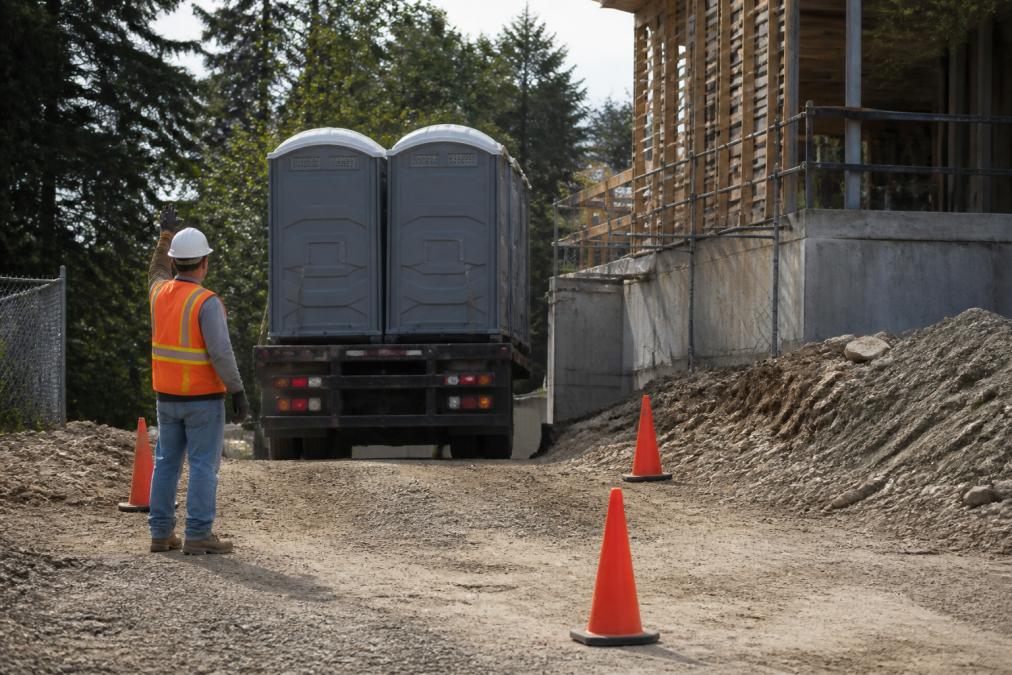
A service truck needs a clear path, room to turn, and a surface that won't sink under a loaded unit. Soft ground, steep grades, low branches, and locked gates all cause failed deliveries, so walk the route before you commit to a placement.
Site accessibility also affects placement. Units should sit on level ground, away from drainage paths, and within a reasonable walk of users. For events, keep them out of sight lines from the ceremony or main stage but close enough that guests aren't hiking.
Permits matter more than people expect. Many municipalities require a permit to place units on public property, sidewalks, or streets. If your event or site touches public right-of-way, confirm permit requirements with the local authority before delivery day. Ask your provider whether they handle permits or whether that's on you.
Weigh Vendor Reliability Against the Lowest Bid
Reliability is the hardest quality to judge before you buy and the one you'll notice most if it's missing: a missed pickup stalls a construction schedule, and a no-show at a wedding is a story the couple tells for years. Every provider claims to be reliable, so you need a way to test the claim before you commit.
A Four-Part Vetting Framework
Run every prospective provider through the same four checks and score them the same way, turning a gut feeling into a comparison you can defend to a client or project owner.
- References with similar jobs. Ask for two or three recent customers whose work matches yours: another construction manager, another event organizer, another farm operation. Then actually call them. Ask whether the provider showed up when they said they would and how they handled problems.
- Responsiveness before the sale. How fast did they answer your first call? Did they ask about your site and headcount, or just quote a number? A provider that's hard to reach during the sales process will be harder to reach when a unit needs emergency service.
- Written service commitment. Ask them to state service frequency in writing based on your actual numbers, not a generic schedule. A provider who won't commit in writing is telling you something.
- Emergency response protocol. Ask what happens when a unit fails mid-project. The good ones have a specific answer: a replacement unit, a response window, and a number that reaches a person. The vague ones say "we'll take care of it."
Contractual Red Flags
The rental agreement is where reliability gets tested on paper. Before you sign, read for: no named contact or emergency number; fees described only as "additional charges may apply"; no mention of what happens if a unit is damaged or tipped; refusal to confirm liability insurance coverage; pressure to sign before you've seen the full terms; a cancellation or rescheduling clause that penalizes you for weather or venue changes outside your control.
Emergency Response and Post-Event Reporting
Two things competitors rarely address are worth asking about directly. First, emergency response protocols: what's the plan if a unit overflows before an event or a storm knocks one over? Get it in writing, including who pays for an emergency service call. Second, post-event sanitation reporting: for larger events, some providers document how units were serviced and disposed of, which matters if you answer to a venue, sponsor, or health department. Ask whether you'll receive a service log or proof of waste disposal, and whether that's included or an add-on.
Ask a prospective provider what happens when a unit fails mid-project. The good ones have a specific answer: a replacement unit, a response window, and a number that reaches a person. The vague ones say "we'll take care of it."
The lowest quote is rarely the lowest cost. A provider that under-services to protect their margin will cost you more in complaints, downtime, and emergency service calls than a slightly higher quote with a clear service schedule.
What Separates a Portable Restroom Provider You Can Keep
The providers worth keeping share a few traits: they quote based on your actual numbers, not a flat rate; they put service frequency in writing; they show up when they say they will and answer the phone when something goes wrong.
Sustainability and environmental impact are increasingly part of the conversation too. Ask where waste goes after pumping and whether the provider follows proper chemical disposal and waste management practices. Responsible disposal protects your site, your reputation, and the people around it.
At Patriot Solutions, we provide clean equipment, fast delivery, and dependable local service. We prioritize reliability and responsibility, ensuring you receive professional support you can count on every time. Whether you're managing a construction schedule, planning a wedding, or running a farm crew, the goal is the same: reliable sanitation solutions.
For a full walkthrough of what to expect on delivery day, the CDC guidance on sanitation and hygiene is a useful reference for the standards providers should be meeting.
Sanitation is invisible when handled well and a crisis when it isn't. The providers that get it right quote honestly, service on schedule, and stay reachable when something goes wrong. Patriot Solutions delivers clean portable restrooms and roll-off dumpsters with fast, dependable local service. We are committed to delivering clean, high-quality equipment paired with fast, dependable local service to meet your project needs. Our team prioritizes reliability and responsibility, ensuring you receive professional support you can count on every time.
Frequently Asked Questions
How many portable restrooms do I need for my construction site?
OSHA 1926.51 requires one toilet for every 20 workers on a construction site. A crew of 60 needs at least three units, and many managers add one extra for peak usage times. Site layout matters too: units should sit within a reasonable walk of every work zone. Ask your portable restroom provider to confirm the count against your headcount and project duration before delivery.
How often should portable restrooms be serviced?
Weekly service is the baseline for a standard unit used by about 10 people. High-traffic construction sites and multi-day events often need two or three visits per week. Service frequency standards depend on holding tank capacity, headcount, and heat. In summer, waste breaks down faster, so ask for extra visits. Confirm the schedule in your rental agreement so missed pickups do not become your problem.
What should I look for in a portable restroom rental contract?
A solid portable restroom rental contract checklist covers delivery and pickup windows, service frequency, what is included in the base rate, overage fees, damage liability, and emergency response protocols. Watch for auto-renewal clauses and vague fuel or mileage surcharges. Ask what happens if a unit is not serviced on schedule. Get the service schedule and any fees in writing before you sign.
What questions should I ask a portable restroom provider before signing?
Ask about references from similar projects, delivery lead times, service frequency standards, and how they handle emergency calls. Confirm whether handwashing stations and ADA-compliant units are available, and whether permits are your responsibility or theirs. Ask what their driver will do if a unit is blocked on service day. A portable restroom provider that answers these clearly is usually the one that shows up on time.